

Classification and Composition of Grain Bulk Pneumatic Conveying Systems
Grain bulk pneumatic conveying systems are essential in modern agricultural and food processing industries, providing efficient and reliable methods for transporting bulk materials like grains, seeds, and powders. These systems utilize air or gas to move materials through a pipeline network, offering advantages such as reduced labor costs, improved safety, and enhanced process control compared to traditional mechanical conveying methods.
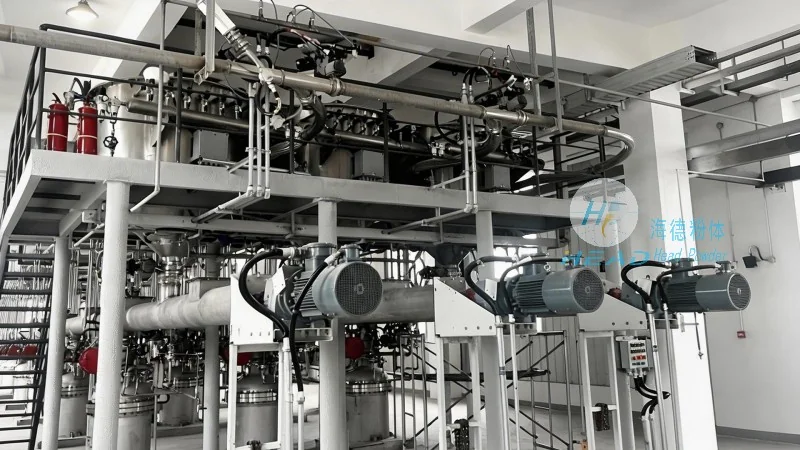
Classification of Grain Pneumatic Conveying Systems
Grain pneumatic conveying systems can be broadly classified into two main categories based on the direction of air flow and the method of material feeding: suction (or vacuum) systems and pressure systems. Each type has distinct characteristics and applications that make it suitable for different operational requirements.
Suction (Vacuum) Pneumatic Conveying Systems
Suction systems operate by creating a negative pressure (vacuum) at the intake point, drawing material from the source into the conveying line. This type of system is commonly used for short to medium distance transport and is particularly effective for handling materials that are light or have a tendency to generate dust. The key components of a suction system include a vacuum pump, a hopper or feeder for material loading, and a filter to separate the material from the air at the discharge end. Suction systems are often preferred in applications where the material source is located at a lower elevation than the discharge point, as the vacuum helps to pull the material upward.
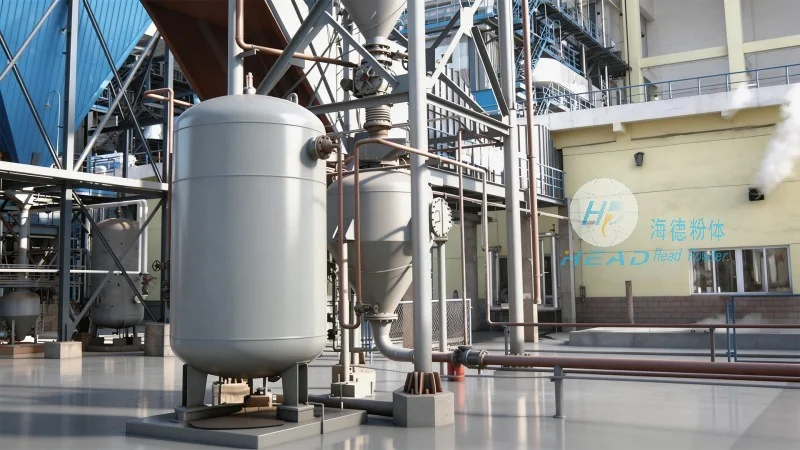
Pressure Pneumatic Conveying Systems
Pressure systems, on the other hand, use a positive pressure (compressed air or gas) to push material through the conveying line. These systems are typically used for longer distances and higher material loads, as they can maintain higher air velocities and handle more abrasive or heavy materials. Pressure systems are commonly employed in industrial settings where the material source is at a higher elevation or when the system needs to deliver material to multiple destinations. The main components of a pressure system include a blower or compressor, a feeder to meter the material into the line, and a pressure regulator to control the air pressure. Unlike suction systems, pressure systems do not require a filter at the discharge end, as the material is separated from the air within the pipeline.
Components of a Typical Grain Pneumatic Conveying System
A comprehensive grain pneumatic conveying system consists of several key components that work together to ensure efficient material transport. The primary components include:
1. Material Feeder and Hopper
The feeder and hopper are critical for controlling the flow of material into the conveying system. The hopper stores the bulk material and provides a consistent feed to the feeder, which then meters the material into the conveying line. Proper design of the hopper and feeder is essential to prevent material bridging, clogging, or uneven flow, which can lead to system inefficiencies or damage. For grain applications, feeders such as rotary valves, star feeders, or screw conveyors are commonly used, depending on the material characteristics and flow rate requirements.
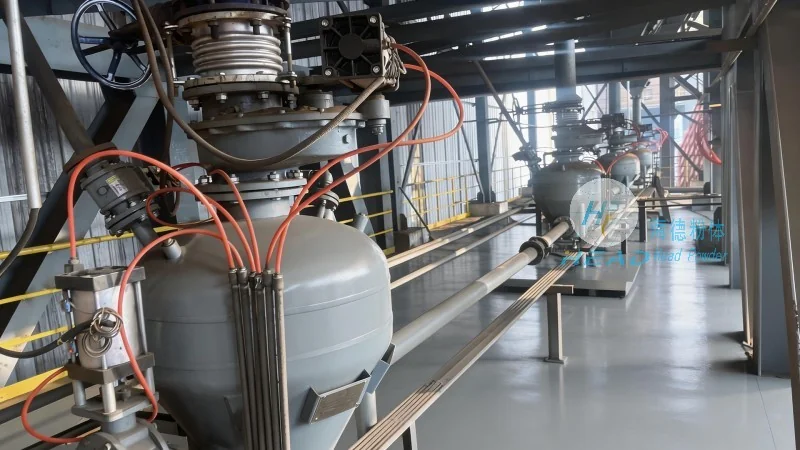
2. Conveying Line and Pipeline
The conveying line is the main pathway for transporting the material, typically made of metal or plastic pipes. The choice of pipe material depends on the material being conveyed, the air pressure, and the system's operating conditions. Metal pipes, such as stainless steel or galvanized steel, are durable and suitable for high-pressure applications, while plastic pipes are often used for low-pressure or dusty materials due to their resistance to corrosion and ease of installation. The pipeline is usually equipped with bends, elbows, and straight sections to guide the material and air through the system, with the design optimized to minimize pressure losses and maintain consistent air velocity.
3. Air Supply Unit (Blower or Compressor)
The air supply unit provides the necessary pressure or vacuum to move the material through the pipeline. In suction systems, a vacuum pump generates the negative pressure, while in pressure systems, a blower or compressor produces the positive pressure. The selection of the air supply unit depends on the system's capacity, the material's density, and the required conveying distance. High-efficiency units are preferred to minimize energy consumption and operating costs. The air supply unit is typically equipped with controls to regulate the air flow and pressure, ensuring stable operation and preventing overloading or underperformance.
4. Separation and Collection Equipment
At the discharge end of the system, separation equipment is used to separate the material from the air. For suction systems, a filter or cyclone separator is used to collect the material and return it to the system or to a storage bin. For pressure systems, the material is often discharged directly into a hopper or silo, with the air being vented to the atmosphere or recirculated if necessary. The separation equipment must be designed to handle the specific material characteristics, such as particle size, moisture content, and dust generation, to ensure efficient collection and prevent material loss or contamination.
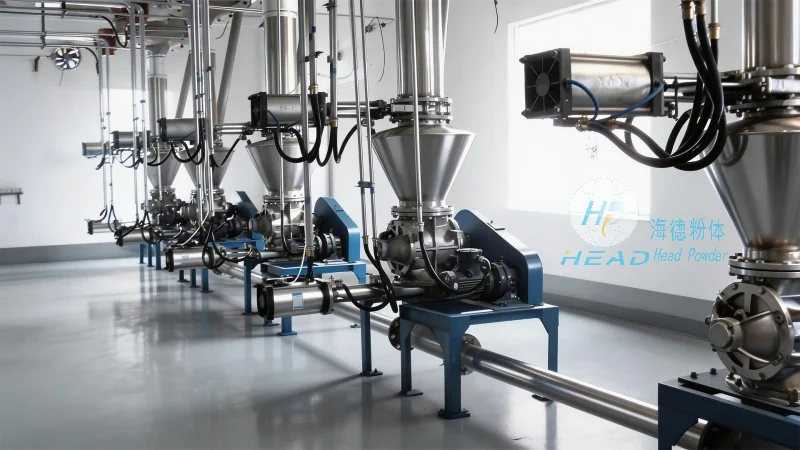
5. Control and Monitoring Systems
Modern grain pneumatic conveying systems are equipped with control and monitoring systems to ensure optimal performance and safety. These systems typically include sensors to measure air pressure, flow rate, and material level, as well as control valves and switches to regulate the system's operation. The control system can be integrated with a programmable logic controller (PLC) or a computer-based system, allowing for automated operation and remote monitoring. This enables operators to adjust the system parameters in real-time, respond to changes in material flow or pressure, and detect potential issues before they cause system failures or material damage.
About Shandong HeadPowder Engineering Co., Ltd.
Shandong HeadPowder Engineering Co., Ltd., a leading manufacturer in the field of bulk material handling equipment, specializes in the design, manufacturing, and supply of high-quality pneumatic conveying systems for grain and other bulk materials. With years of experience and a commitment to innovation, the company provides customized solutions tailored to the specific needs of its clients, ensuring reliable and efficient material transport in various industrial applications. HeadPowder's products are known for their durability, energy efficiency, and ease of maintenance, making them a trusted choice for businesses in the agricultural and food processing sectors. The company's headquarters is located in Shandong, China, where it continues to develop and improve its technology to meet the evolving demands of the industry.