Shandong HeadPowder Engineering Co., Ltd. specializes in the design, manufacturing, and installation of advanced material handling systems tailored for the transportation and processing of arsenic trioxide. As a leading provider in the industry, the company ensures that its equipment meets stringent safety and efficiency standards, catering to the unique demands of chemical processing applications. The following overview details the operation process and working principles of the arsenic trioxide material handling system equipment, highlighting key components and operational mechanisms.
Key Components of the Material Handling System
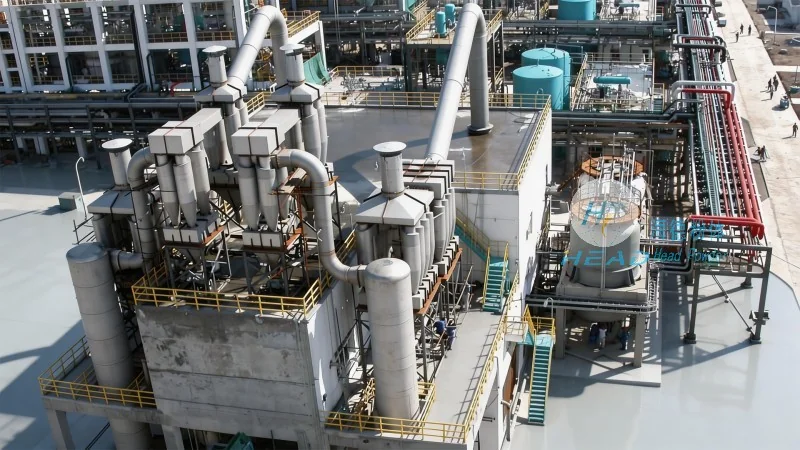
The arsenic trioxide material handling system typically comprises several critical components that work in tandem to ensure safe and efficient material transport. These include feed hoppers, conveyor belts or screw conveyors, dust collection systems, and control panels. Each component is engineered to handle the specific physical and chemical properties of arsenic trioxide, such as its fine particle size and potential for dust generation. The feed hopper is designed to store and regulate the flow of arsenic trioxide, preventing overfilling and ensuring a consistent feed rate. The conveyor system, whether a belt or screw conveyor, transports the material from the hopper to the processing unit, maintaining a controlled speed to avoid material degradation or spillage. The dust collection system is a critical safety feature, capturing airborne particles to prevent inhalation hazards and environmental contamination. The control panel allows operators to monitor and adjust system parameters, ensuring optimal performance and compliance with safety regulations.
Operation Process of the System
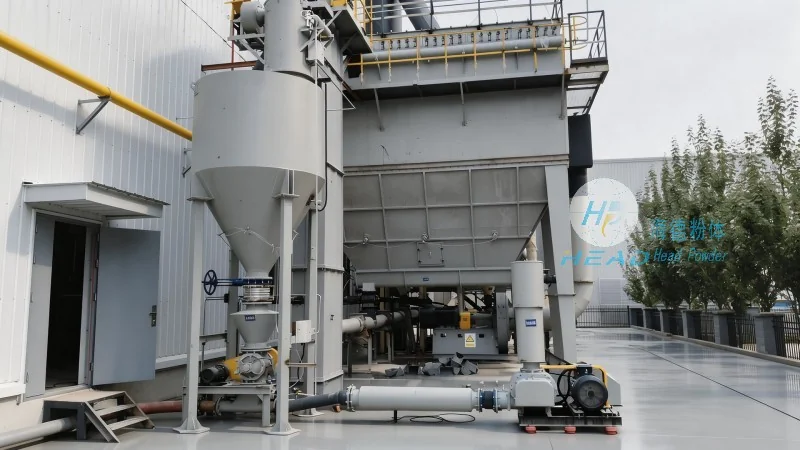
The operation of the arsenic trioxide material handling system follows a systematic process that begins with material loading into the feed hopper. The system is activated by the operator, who sets the desired feed rate and conveyor speed through the control panel. As the material is released from the hopper, it falls onto the conveyor belt or screw conveyor, which transports it to the processing unit. The conveyor system’s speed is adjusted to maintain a steady flow, preventing blockages or material buildup. During transport, the dust collection system continuously operates, capturing any airborne particles and directing them to a filtration unit for safe disposal. The control panel provides real-time feedback on system performance, including feed rate, conveyor speed, and dust levels. Operators can monitor these parameters to ensure the system is operating within safe and efficient limits. The process concludes when the material reaches the processing unit, where it is further processed according to the specific application requirements.
Working Principles of the Equipment
The working principles of the arsenic trioxide material handling system are based on mechanical and pneumatic processes that ensure safe and efficient material transport. The mechanical components, such as the feed hopper and conveyor system, rely on gravity and mechanical force to move the material. The feed hopper’s design, with its sloped sides and discharge valve, ensures that material flows smoothly without clogging. The conveyor system, whether belt or screw, uses friction and gravity to move the material, with the speed and tension of the belt or screw adjusted to maintain a consistent flow. The dust collection system operates on the principle of air filtration, using filters or cyclones to capture airborne particles. The system draws air from the conveyor and hopper areas, passes it through the filtration media, and releases clean air back into the environment. The control panel uses sensors and feedback mechanisms to regulate the system’s operation, ensuring that all components function within their designed parameters. The system’s design incorporates safety features, such as emergency stop buttons and interlocks, to prevent accidents and ensure operator safety. These principles work together to provide a reliable and efficient material handling solution for arsenic trioxide processing.
Benefits and Applications
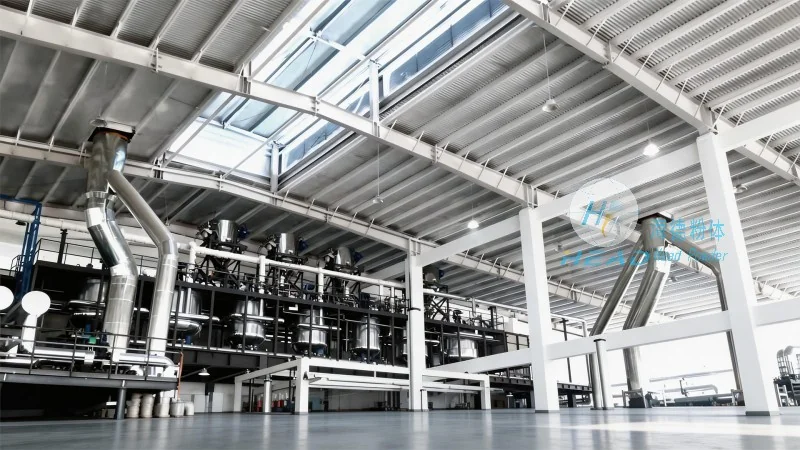
The arsenic trioxide material handling system offers several benefits for industrial applications, including improved safety, increased efficiency, and reduced operational costs. The system’s design minimizes human exposure to arsenic trioxide by automating material transport, reducing the risk of inhalation and contact with the material. The dust collection system effectively controls airborne particles, preventing environmental contamination and ensuring compliance with regulatory standards. The conveyor system’s ability to maintain a consistent flow reduces downtime and increases production throughput, leading to higher operational efficiency. The system is suitable for various applications, including pharmaceutical manufacturing, chemical processing, and research laboratories, where the safe handling of arsenic trioxide is critical. The equipment’s modular design allows for customization to meet specific application requirements, making it a versatile solution for different industrial needs.




