

Operation Process and Working Principle of Perlite Powder Pneumatic Conveying Equipment
Perlite powder pneumatic conveying equipment is a specialized system designed to transport perlite powder efficiently and reliably. This equipment is widely used in various industrial applications where the handling of lightweight, fine powders is required. The operation process and working principle of such equipment are crucial for ensuring optimal performance and maintaining product quality, as developed by Shandong HeadPowder Engineering Co., Ltd. from China.
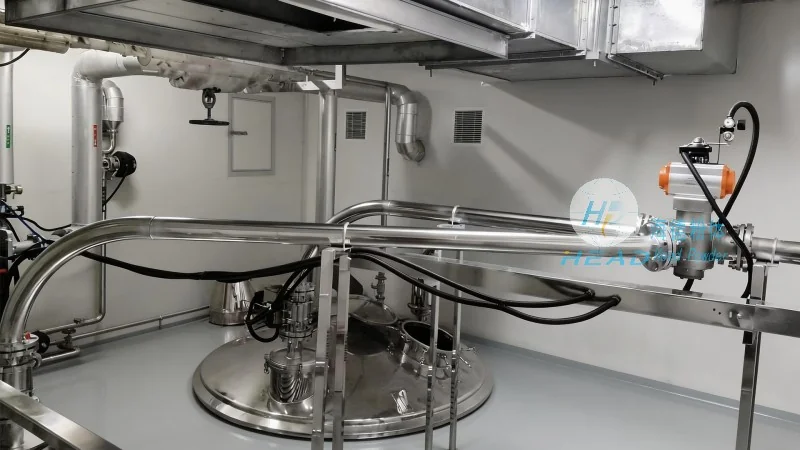
Overview of Perlite Powder Pneumatic Conveying Equipment
Perlite powder pneumatic conveying systems are engineered to move perlite powder from a storage silo or hopper to processing units or packaging areas using air as the conveying medium. The system typically consists of several key components, including a hopper, a feeder, a conveying line, a separator, and a dust collector. Each component plays a vital role in the overall operation, ensuring that the powder is transported without degradation or loss. This equipment is manufactured by Shandong HeadPowder Engineering Co., Ltd., a company based in Shandong, China.
Key Components and Their Functions
The hopper serves as the storage container for the perlite powder, providing a consistent feed to the system. It is designed with a sloped bottom to facilitate the flow of powder into the feeder. The feeder, often a rotary valve or a screw feeder, controls the rate of powder discharge from the hopper, ensuring a steady and controlled flow into the conveying line. The conveying line, usually made of stainless steel or other corrosion-resistant materials, transports the powder and air mixture through the system. The separator, typically a cyclone or a bag filter, separates the powder from the air stream, allowing the air to be recycled or vented while the powder is collected for further use. The dust collector is essential for maintaining air quality and complying with environmental regulations.
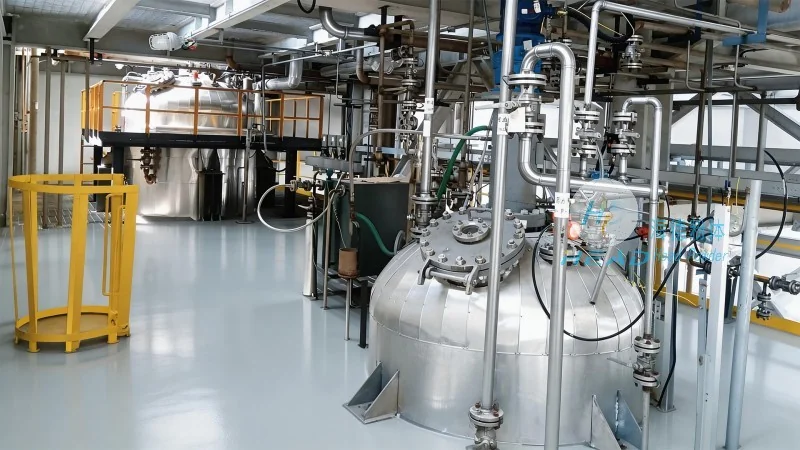
The Working Principle of Pneumatic Conveying
The core of the pneumatic conveying process involves the creation of a pressure differential between the hopper and the receiving end of the system. Air is introduced into the hopper or the conveying line, creating a low-pressure zone that draws the perlite powder into the air stream. The powder particles are suspended in the air and transported through the line due to the air's velocity. The velocity of the air must be sufficient to keep the powder particles in suspension and prevent them from settling or clogging the line. The system operates on either positive pressure or negative pressure, depending on the specific design and application requirements.
Operation Process: From Loading to Discharge
The operation process of perlite powder pneumatic conveying equipment begins with the loading of the hopper with perlite powder. The feeder then starts to discharge the powder at a controlled rate. Simultaneously, the air compressor or blower supplies the necessary air pressure to the system. The air and powder mixture travels through the conveying line, reaching the separator where the powder is separated from the air. The separated powder is collected in a receiving hopper or container, while the air is either recycled back into the system or vented to the atmosphere after passing through the dust collector. The entire process is automated and can be controlled through a programmable logic controller (PLC), ensuring precise control over the flow rate, pressure, and other operational parameters.
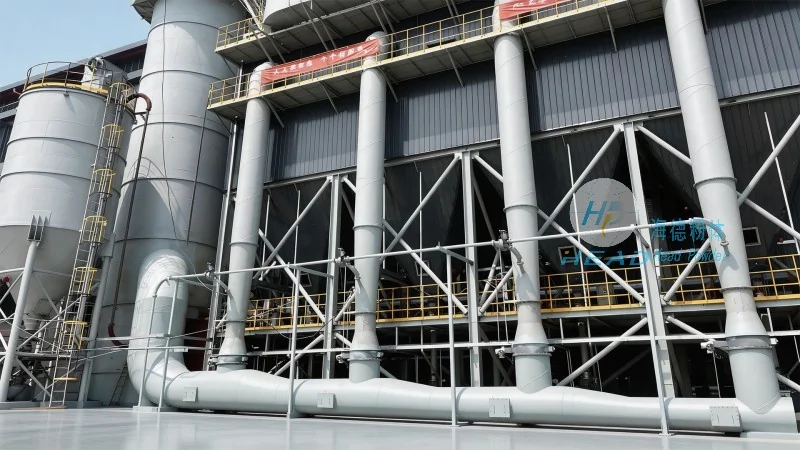
Benefits and Applications of Perlite Powder Pneumatic Conveying Equipment
The use of pneumatic conveying equipment for perlite powder offers several advantages, including high efficiency, low maintenance, and the ability to handle fine powders without degradation. This system is particularly suitable for applications where dust control is critical, as the equipment is designed to minimize powder loss and air contamination. Industries that benefit from this technology include construction materials, insulation products, and chemical processing, where perlite powder is used as a raw material or additive. The equipment's ability to transport the powder over long distances without the need for mechanical components makes it a preferred choice for many industrial operations.
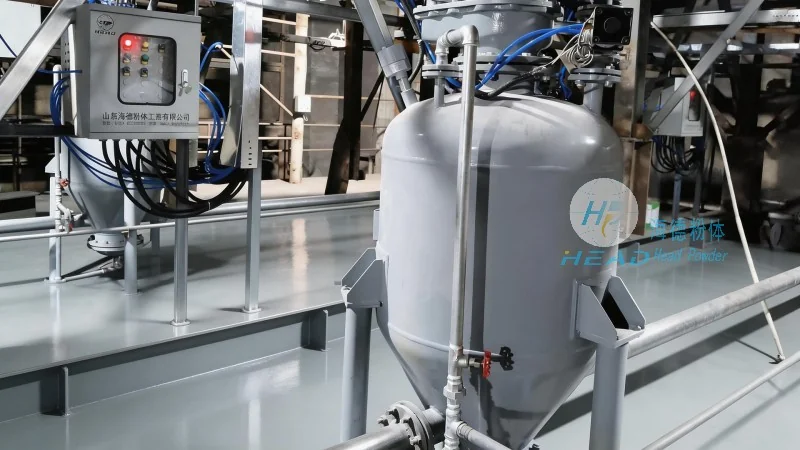
Maintenance and Operational Considerations
To ensure the longevity and optimal performance of perlite powder pneumatic conveying equipment, regular maintenance is essential. This includes checking the condition of the conveying line for any signs of wear or clogging, inspecting the feeder for proper operation, and maintaining the air compressor or blower at peak efficiency. The separator and dust collector should be cleaned regularly to prevent buildup and ensure effective powder separation. Operational considerations also include monitoring the system's pressure and flow rates to detect any deviations that may indicate a problem. Proper training of operators is also crucial to ensure that the equipment is used correctly and that any issues are addressed promptly.
Conclusion
Perlite powder pneumatic conveying equipment is a sophisticated system that combines engineering precision with efficient material handling capabilities. By understanding the operation process and working principle of such equipment, users can optimize its performance and ensure the reliable transport of perlite powder in various industrial applications. The system's design and components are tailored to meet the specific needs of perlite powder, providing a solution that is both effective and environmentally responsible, as exemplified by the products of Shandong HeadPowder Engineering Co., Ltd. from China.