

Operation Process and Working Principle of Urea Powder Conveying Machine
Urea is a crucial fertilizer in modern agriculture, and the efficient transportation of urea powder is vital for ensuring stable supply chains and minimizing material loss. The urea powder conveying machine, developed by Shandong HeadPowder Engineering Co., Ltd., is a specialized equipment designed to handle the unique properties of urea powder, such as its hygroscopic nature and fine particle size. This article will delve into the operation process and working principle of this machine, providing a comprehensive understanding of how it functions to meet the demands of agricultural and industrial applications.
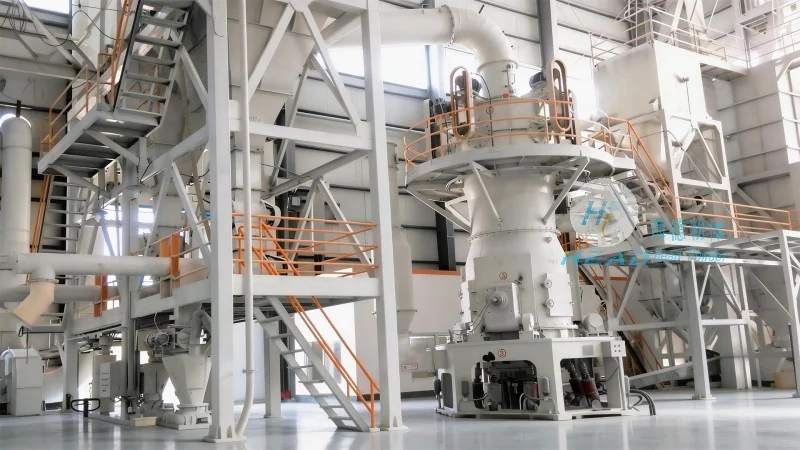
Understanding the Core Components and Structure
The urea powder conveying machine consists of several key components that work in harmony to achieve efficient material transport. The main parts include a hopper for material storage, a screw conveyor or pneumatic system for transportation, a control system for operation management, and a discharge outlet for delivering the urea powder to the next stage of processing. Each component is carefully designed to handle the specific characteristics of urea powder, ensuring minimal degradation and loss during the conveying process.
The Operation Process: Step-by-Step Breakdown
The operation of the urea powder conveying machine typically follows a systematic sequence to ensure smooth and continuous material flow. First, the urea powder is fed into the hopper from the storage silo or bulk container. The hopper is equipped with a level indicator to monitor the material volume, preventing overfilling or underfilling. Once the material reaches the desired level, the feeding mechanism activates, and the urea powder is transferred into the conveying system. The conveying system, which can be either a screw conveyor or a pneumatic pipeline, then transports the powder to the discharge point. The control system, integrated with sensors and valves, regulates the flow rate and pressure to maintain optimal conveying conditions. Finally, the urea powder is discharged from the outlet into the receiving container or processing equipment. This step-by-step process ensures that the urea powder is transported safely and efficiently, minimizing the risk of clogging or material spillage.
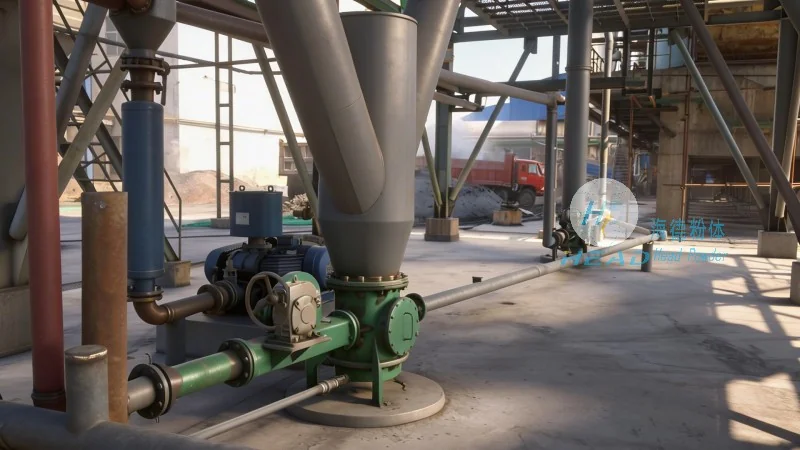
Working Principle: How the Machine Transfers Urea Powder
The working principle of the urea powder conveying machine is based on the principles of fluidization and mechanical transport. For screw conveyor systems, the machine uses a rotating screw to push the urea powder forward through the conveyor tube. The screw's helical design creates a continuous flow, preventing the powder from settling or clogging. The speed of the screw and the pitch of the helix are carefully adjusted to match the specific properties of urea powder, ensuring that the material is conveyed without excessive pressure or friction. For pneumatic conveying systems, the machine uses compressed air to create a flow of air and urea powder particles. The air is introduced into the conveying line at a controlled pressure, and the urea powder is carried along with the air stream to the discharge point. The pneumatic system is particularly effective for long-distance or high-temperature conveying, as it can handle larger volumes of material with less mechanical wear. Both systems rely on the control system to maintain consistent pressure and flow, ensuring that the urea powder is transported reliably and without degradation.
Advantages of Using a Urea Powder Conveying Machine
Implementing a urea powder conveying machine offers several advantages for agricultural and industrial operations. Firstly, it significantly reduces material loss and contamination during transportation, as the machine is designed to handle the hygroscopic nature of urea powder without causing clumping or degradation. Secondly, the machine enhances operational efficiency by automating the material transfer process, reducing the need for manual handling and labor. Thirdly, the machine improves safety by minimizing the risk of dust exposure and material spillage, which can be hazardous in industrial settings. Additionally, the machine is highly customizable, with options for different conveying capacities, distances, and material types, making it suitable for a wide range of applications. By investing in a urea powder conveying machine from Shandong HeadPowder Engineering Co., Ltd., businesses can improve their overall productivity and ensure the consistent quality of their urea products.
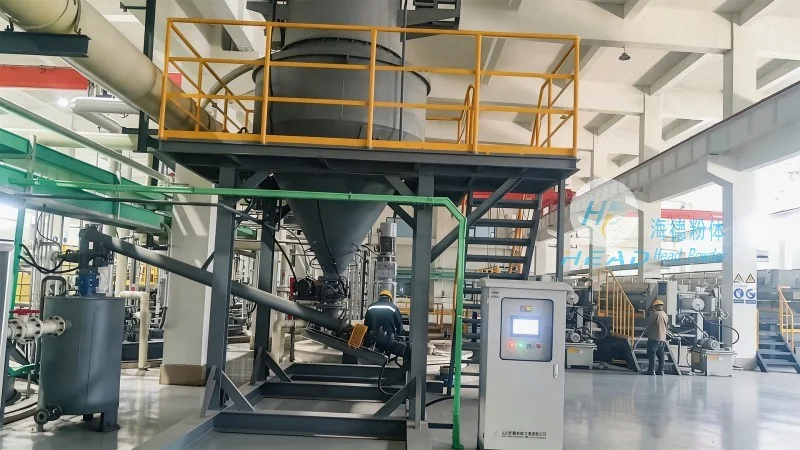
Application Scenarios and Industrial Use
The urea powder conveying machine is widely used in various industries, particularly in the agricultural sector for fertilizer production and distribution. In fertilizer plants, the machine is used to transport urea powder from the production line to storage silos or packaging facilities. This ensures that the urea powder is handled efficiently and safely, reducing the risk of accidents and material loss. In agricultural farms, the machine is used to transport urea fertilizer from storage containers to application equipment, such as spreaders or sprayers. This allows farmers to apply the fertilizer evenly and at the correct rate, optimizing crop yields and reducing environmental impact. Additionally, the machine is used in industrial settings for the transport of urea-based products, such as urea formaldehyde resins or other chemical compounds. The versatility of the machine makes it suitable for a wide range of applications, from small-scale agricultural operations to large-scale industrial production.
Maintenance and Operational Tips for Optimal Performance
To ensure the long-term performance and reliability of the urea powder conveying machine, regular maintenance and proper operational practices are essential. Regular cleaning of the hopper, conveyor, and discharge outlet is crucial to prevent the accumulation of urea powder, which can lead to clogging or degradation. The screw or pneumatic components should be inspected regularly for wear and tear, and replaced as needed to maintain optimal performance. The control system and sensors should be checked for proper functionality, ensuring that the machine operates within the specified parameters. Additionally, it is important to monitor the material flow and pressure during operation, as any deviations may indicate a problem with the machine or the material being conveyed. By following these maintenance and operational tips, users can maximize the lifespan of the machine and ensure consistent performance. Shandong HeadPowder Engineering Co., Ltd. provides comprehensive maintenance services and technical support to help users maintain their machines in optimal condition.