For manufacturers in the battery industry, the efficient and reliable transportation of positive electrode material powders is a critical aspect of production. A well-designed powder conveying line not only ensures smooth material flow but also plays a vital role in maintaining product quality and production efficiency. This article will delve into the operation process and working principle of a powder conveying line specifically tailored for battery positive electrode materials, providing insights into how such systems enhance industrial production.
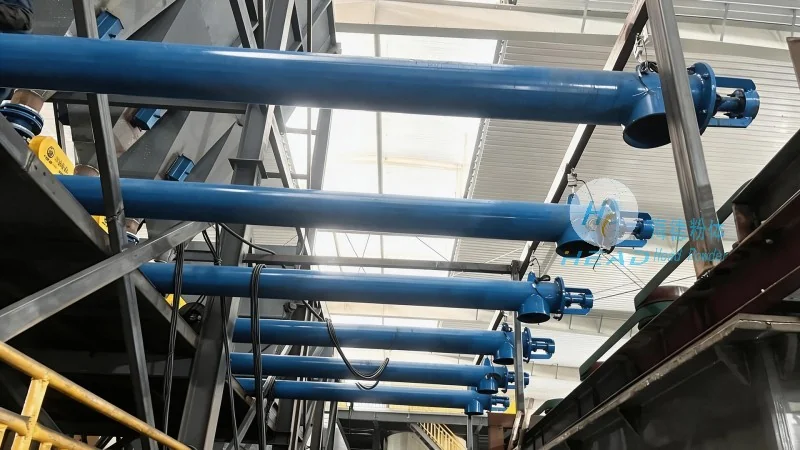
Overview of the Powder Conveying Line for Battery Positive Electrode Materials
The powder conveying line for battery positive electrode materials is a specialized system engineered to handle the unique properties of these powders, such as their fine particle size, hygroscopic nature, and sensitivity to contamination. The system typically consists of several key components, including feeders, conveyors, storage hoppers, and control units, all integrated to form a seamless material transport process. Each component is carefully selected and configured to address the specific challenges associated with handling these materials, ensuring optimal performance and minimal risk of material degradation.
Key Components and Their Functions
1. Material Feeder: The feeder is the initial component that receives the battery positive electrode material from the storage silo or raw material container. It is designed to provide a consistent and controlled flow of powder into the conveying system, preventing overloading or underloading that could disrupt the entire process. Common types of feeders include rotary valves, star feeders, and screw feeders, each chosen based on the material's characteristics and the required flow rate.
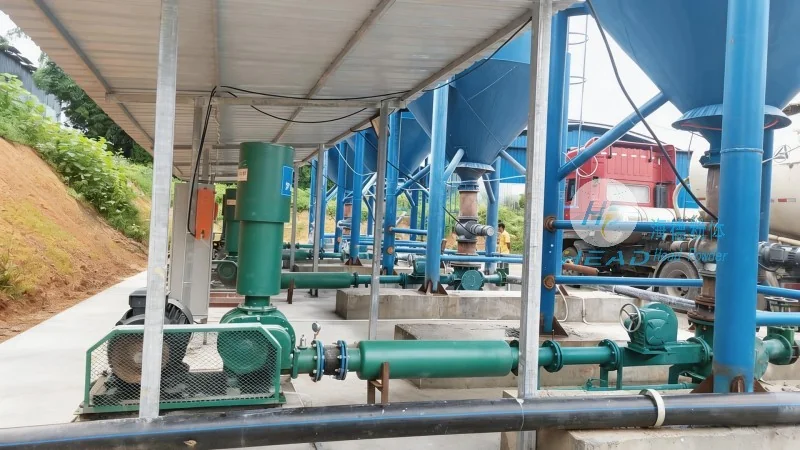
2. Pneumatic Conveying System: This is the core of the powder conveying line, utilizing air pressure to transport the material through a network of pipes. The system typically includes a blower or compressor that generates the necessary airflow, a filter to remove dust and contaminants from the air, and a series of pipes and elbows to direct the material to the next processing stage. Pneumatic conveying offers advantages such as low maintenance, the ability to handle fine powders, and the capacity to transport materials over long distances without the need for mechanical parts in contact with the powder.
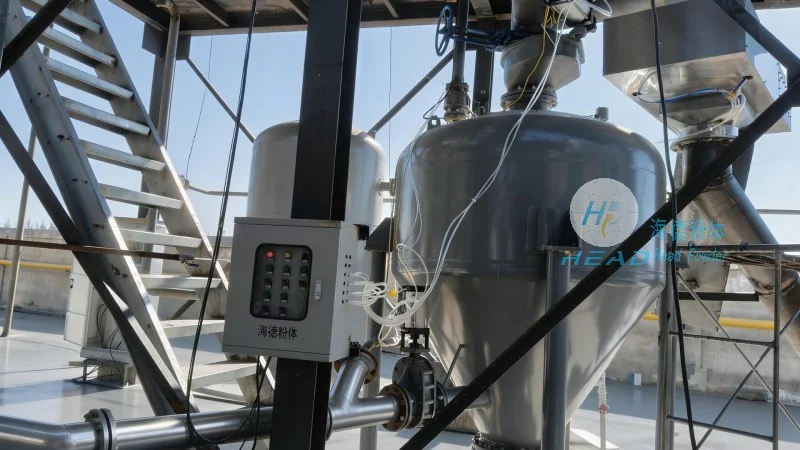
3. Storage Hopper and Silo: The storage hopper or silo serves as the primary storage unit for the battery positive electrode material. It is designed with a conical bottom to facilitate the material's discharge into the feeder. The hopper is often equipped with a level indicator and a discharge valve to monitor and control the material level, ensuring a steady supply to the feeder. The material is stored under controlled conditions, such as low humidity and temperature, to prevent moisture absorption and agglomeration, which could affect the material's performance.
4. Control System: The control system is responsible for monitoring and regulating the operation of the entire conveying line. It includes sensors to detect material levels, pressure, and flow rates, as well as control panels to adjust the speed of the feeder, the airflow, and other parameters. The system is typically equipped with safety features, such as overpressure and underpressure alarms, to prevent equipment damage and ensure operator safety. Modern control systems often use programmable logic controllers (PLCs) and human-machine interfaces (HMIs) to provide real-time data and remote monitoring capabilities.
Operation Process of the Powder Conveying Line
The operation of the powder conveying line for battery positive electrode materials follows a systematic sequence to ensure efficient material transport. The process begins with the material being loaded into the storage hopper from the raw material container. The level indicator in the hopper signals the control system when the material level reaches a certain point, triggering the feeder to start operation. The feeder then delivers the material into the pneumatic conveying system, where the blower generates the airflow to transport the powder through the pipes.
As the material is conveyed, it passes through various components, such as filters and elbows, which help maintain the material's quality and direct its flow. The conveying system transports the material to the next processing stage, such as mixing or coating, where it is further processed into the final battery positive electrode material. The control system continuously monitors the entire process, adjusting the flow rate and airflow as needed to maintain a stable and consistent material supply.
During operation, the system may encounter challenges such as material blockages or air pressure fluctuations. The control system detects these issues and triggers alarms or automatic adjustments to prevent downtime. For example, if a blockage occurs in the pipe, the system may increase the airflow or adjust the feeder speed to clear the blockage. Similarly, if the air pressure drops, the system may increase the blower speed to maintain the required pressure.
Working Principle of the Powder Conveying Line
The working principle of the powder conveying line for battery positive electrode materials is based on the principles of fluidization and pneumatic transport. The material is suspended in the air stream and transported through the pipes, similar to how particles are carried in a fluid. The key to efficient transport is maintaining a consistent airflow and particle velocity, which ensures that the material remains suspended and does not settle or agglomerate.
The pneumatic conveying system operates by creating a pressure differential between the inlet and outlet of the pipes. The blower generates a high-pressure air stream at the inlet, which draws the material from the feeder and transports it through the system. The air and material mixture then passes through the filter, where the air is cleaned and recirculated, while the material is directed to the next stage. The pressure differential is maintained throughout the system to ensure continuous material flow.
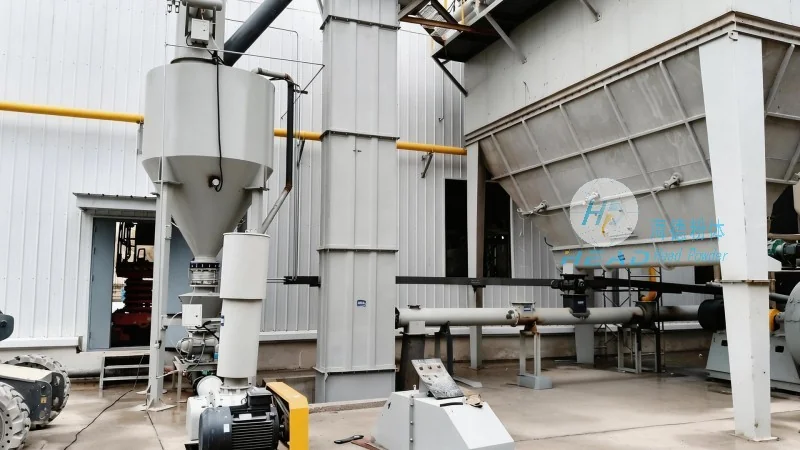
The control system plays a crucial role in maintaining the working principle by adjusting the airflow and material feed rate. By monitoring the pressure and flow rates, the system can ensure that the material is transported at the optimal velocity, minimizing the risk of material degradation or equipment wear. The system also ensures that the material is conveyed at a consistent rate, which is essential for maintaining the quality of the final battery product.
About Shandong HeadPowder Engineering Co., Ltd.
Shandong HeadPowder Engineering Co., Ltd., commonly known as HeadPowder, is a leading manufacturer of specialized equipment for the powder handling industry. With years of experience and a commitment to innovation, HeadPowder provides high-quality powder conveying lines and other processing equipment tailored to the needs of the battery and other industries. The company's products are designed with precision engineering and rigorous quality control to ensure reliable performance and long service life.
HeadPowder's powder conveying lines for battery positive electrode materials are engineered to meet the specific requirements of modern battery production. The company's team of experts works closely with clients to understand their production needs and develop customized solutions that enhance efficiency and product quality. With a focus on customer satisfaction and technical excellence, HeadPowder has established itself as a trusted partner in the industry.
HeadPowder is committed to providing sustainable and environmentally friendly solutions for the powder handling industry. The company's equipment is designed to minimize energy consumption and reduce waste, contributing to a greener and more sustainable manufacturing process. By leveraging advanced technology and innovative design, HeadPowder continues to lead the way in the development of efficient and reliable powder conveying systems.




