

Operation Process and Working Principle of Polyacrylamide Powder Conveying Line
Shandong HeadPowder Engineering Co., Ltd., a leading manufacturer based in Shandong, China, specializes in the development and implementation of advanced polyacrylamide powder conveying lines. These systems are engineered to handle the unique characteristics of polyacrylamide powder, a high-value chemical widely utilized in water treatment, paper manufacturing, and mining industries. The company, often referred to as headpowder, has established itself as a trusted provider of reliable and efficient conveying solutions, tailored to meet the specific demands of diverse industrial applications.
Key Components and Their Functions
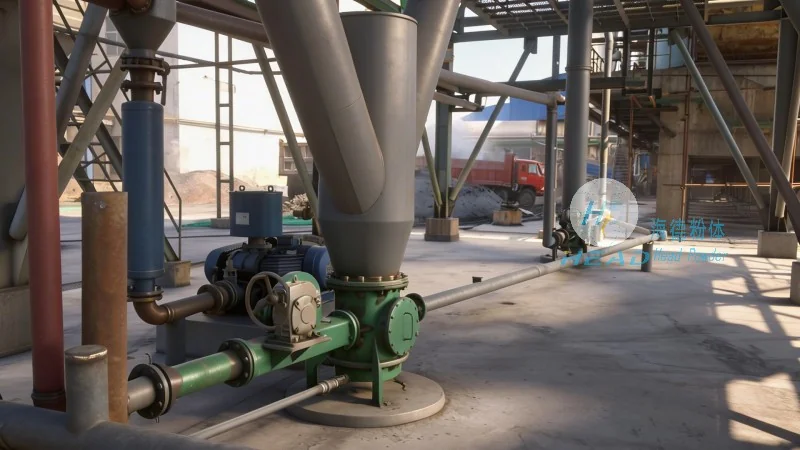
The polyacrylamide powder conveying line comprises several critical components that work in concert to ensure seamless material transport. The primary components include a storage hopper, a controlled feeder, a conveyor mechanism (such as a screw or pneumatic system), and a monitoring control panel. The hopper serves as the initial storage vessel, holding the polyacrylamide powder securely. The feeder regulates the flow rate, preventing overloading or underflow, which is crucial for maintaining consistent pressure and flow within the system. The conveyor system, whether mechanical or pneumatic, is responsible for moving the powder from the hopper to the discharge point. The control panel allows operators to adjust parameters such as speed, pressure, and flow rate, ensuring precise management of the conveying process. Each component is designed with durability and efficiency in mind, minimizing the risk of downtime and maximizing operational reliability.
Step-by-Step Operation Process
The operation of the polyacrylamide powder conveying line begins with the loading of the powder into the storage hopper. Once the hopper is filled, the feeder activates, controlling the flow of powder into the conveyor system. In a mechanical screw conveyor, the rotating screw pushes the powder forward through a sealed tube, maintaining a steady flow. In a pneumatic system, compressed air is introduced to create a flow that carries the powder particles through the line. The control panel continuously monitors the system, providing real-time feedback on pressure, flow rate, and temperature. Operators can adjust settings as needed to maintain optimal conditions, ensuring the powder reaches its destination without degradation or loss. The system is designed to handle the hygroscopic nature of polyacrylamide, preventing clumping and ensuring the material remains in a usable state throughout the transport process.
Working Principle Explained
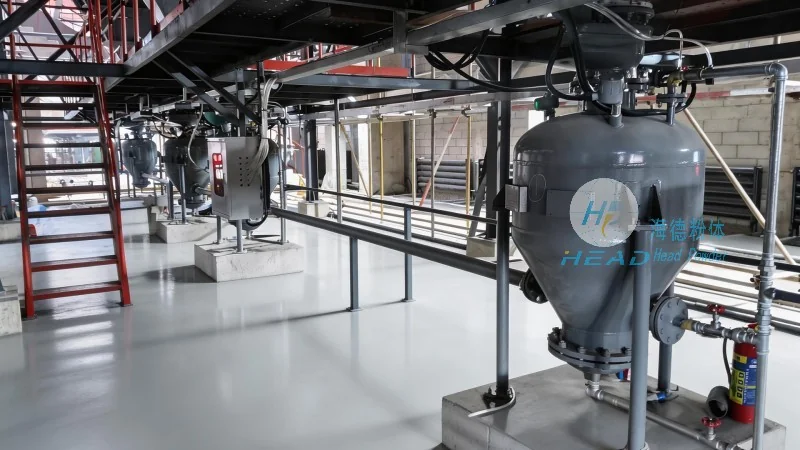
The working principle of the polyacrylamide powder conveying line is based on either mechanical or pneumatic transport mechanisms. In a mechanical system, the screw conveyor operates by rotating a helical blade that moves the powder forward. The rotation creates a continuous, unidirectional flow, preventing backflow and ensuring efficient transport. The design of the screw and the diameter of the tube are carefully selected to accommodate the particle size and density of the polyacrylamide powder, minimizing friction and wear. In a pneumatic system, compressed air is used to generate a flow of air that entrains the powder particles, transporting them through the line. The air pressure is regulated to maintain a consistent velocity, preventing the powder from settling or clogging the system. The system also incorporates features such as air filters and moisture control to maintain the quality of the polyacrylamide powder, as it is sensitive to environmental conditions.
Advantages and Practical Benefits
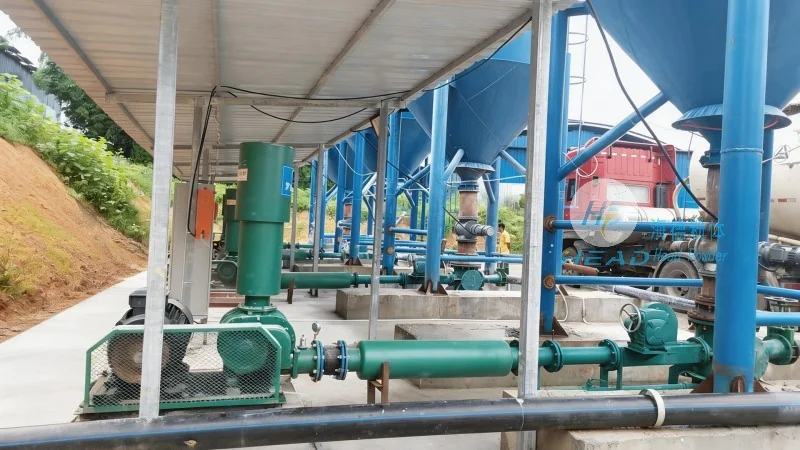
Deploying a polyacrylamide powder conveying line offers numerous advantages for industrial operations. The automated system reduces the need for manual handling, minimizing exposure to the powder and enhancing workplace safety. It also improves operational efficiency by ensuring consistent flow rates and reducing downtime caused by manual adjustments. The precise control features allow for accurate dosing, which is critical in applications such as water treatment, where the concentration of polyacrylamide directly impacts treatment effectiveness. Additionally, the enclosed design of the conveying line prevents dust emissions and contamination, maintaining a clean and safe working environment. Over time, the reliability of these systems leads to lower maintenance costs and increased productivity, making them a cost-effective solution for long-term industrial use.
Application in Diverse Industrial Sectors
Polyacrylamide powder conveying lines are integral to various industrial processes where the efficient transport of this chemical is essential. In water treatment facilities, the lines deliver polyacrylamide to coagulation and flocculation tanks, enhancing the removal of suspended solids and improving water quality. In the paper industry, the systems transport the powder to paper machines, where it acts as a retention aid, improving paper strength and quality. In mining operations, the lines facilitate the transport of polyacrylamide used in slurry thickening and dewatering processes, optimizing mineral recovery. The adaptability of these conveying lines allows them to be customized for different production scales, from small-scale laboratory applications to large industrial plants. This flexibility ensures that the system can meet the specific requirements of each application, providing a tailored solution for efficient material handling.