

Operating Process and Working Principle of Glass-Blasted Bead Powder Conveying Line
At Shandong HeadPowder Engineering Co., Ltd., we specialize in the design, manufacturing, and installation of advanced powder conveying systems, with a particular focus on glass-blasted bead powder conveying lines. These systems are engineered to handle the unique characteristics of glass-blasted beads, ensuring efficient, reliable, and safe material transport in industrial applications. This article provides a detailed overview of the operational process and working principle of such a system, highlighting the key components, functions, and benefits.
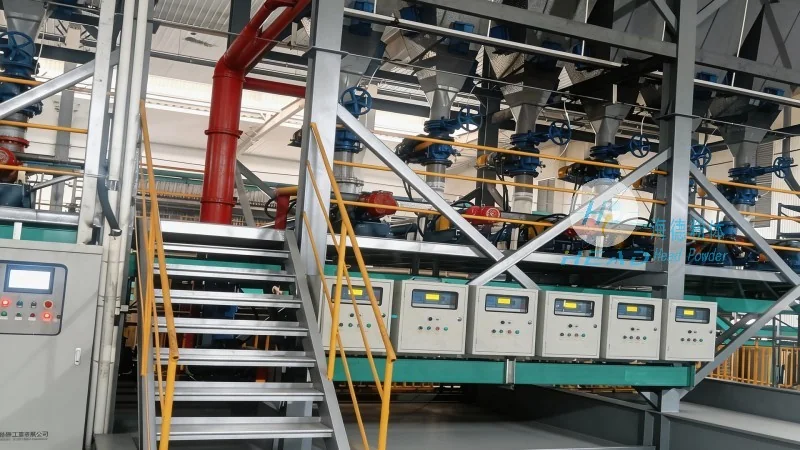
Overview of Glass-Blasted Bead Powder Conveying Line
Glass-blasted bead powder conveying lines are sophisticated industrial systems designed to transport glass-blasted beads, a lightweight, insulating material commonly used in construction and industrial applications. The system integrates various components, including hoppers, feeders, conveyors, and control systems, to ensure seamless material handling from storage to processing or packaging. The design prioritizes efficiency, minimal material loss, and compliance with safety standards, making it suitable for high-volume production environments.
Key Components and Their Functions
The glass-blasted bead powder conveying line consists of several critical components, each playing a vital role in the overall operation. The primary components include:
- Material Hopper: A large storage container that holds the glass-blasted beads. It is typically equipped with a lid and a discharge valve to control the flow of material into the system. The hopper is designed to prevent material degradation and maintain consistent material level.
- Pneumatic Feeder: This component regulates the flow of glass-blasted beads from the hopper to the conveyor. It uses air pressure to create a controlled, steady stream of material, preventing overfeeding or underfeeding that could disrupt the conveying process.
- Pneumatic Conveyor: The core of the system, the pneumatic conveyor transports the glass-blasted beads through a network of pipes using air pressure. This method is ideal for handling lightweight, fine powders as it minimizes friction and material degradation compared to mechanical conveyors.
- Control Panel: An integrated control system that monitors and regulates the operation of the conveying line. It includes sensors to detect material levels, pressure, and flow rates, as well as controls to adjust the speed of the feeder and conveyor. The control panel ensures the system operates within safe and efficient parameters.
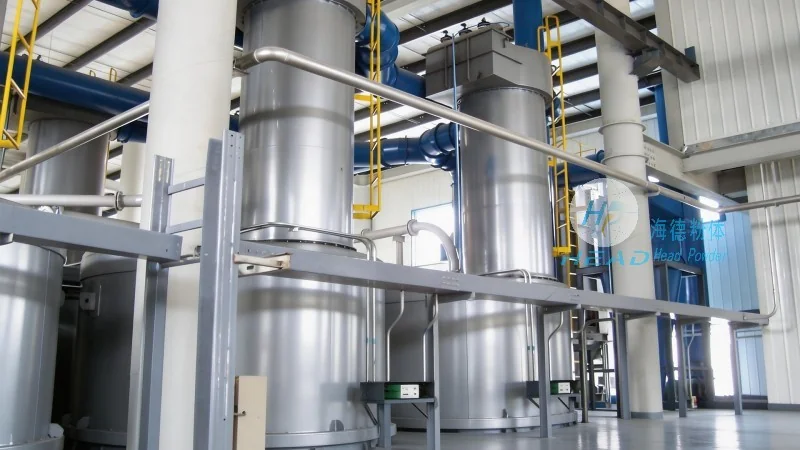
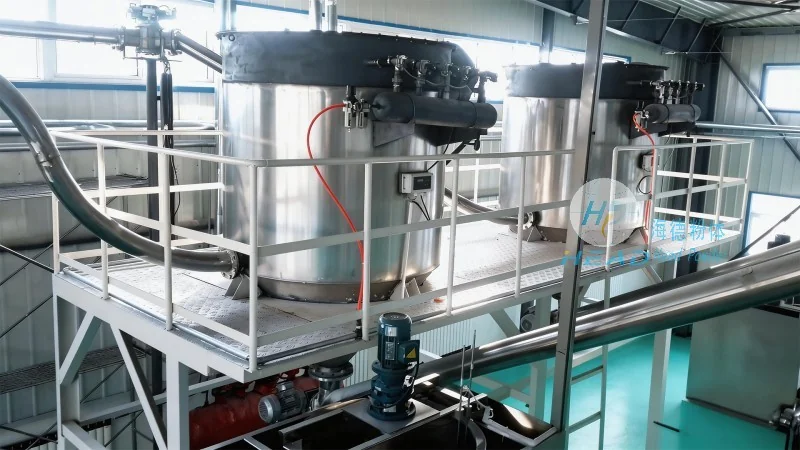
- Filter and Dust Collection System: To maintain air quality and prevent dust accumulation, the system incorporates a filter and dust collection unit. This component captures any airborne particles and returns clean air to the environment, ensuring compliance with environmental regulations and workplace safety standards.
Operating Process of the Conveying Line
The operation of the glass-blasted bead powder conveying line follows a systematic sequence to ensure smooth material transport. The process begins with the loading of glass-blasted beads into the material hopper. Once the hopper is filled, the control panel activates the pneumatic feeder, which starts to release the material at a controlled rate. The feeder then delivers the beads into the pneumatic conveyor, where they are propelled through the pipes by compressed air.
As the beads travel through the conveyor system, they are transported to the desired destination, such as a processing unit or packaging station. The control panel continuously monitors the system, adjusting the feeder speed and conveyor pressure as needed to maintain a consistent flow rate. If any issues arise, such as a blockage or low material level, the control panel triggers an alarm or automatically adjusts the system to prevent downtime.
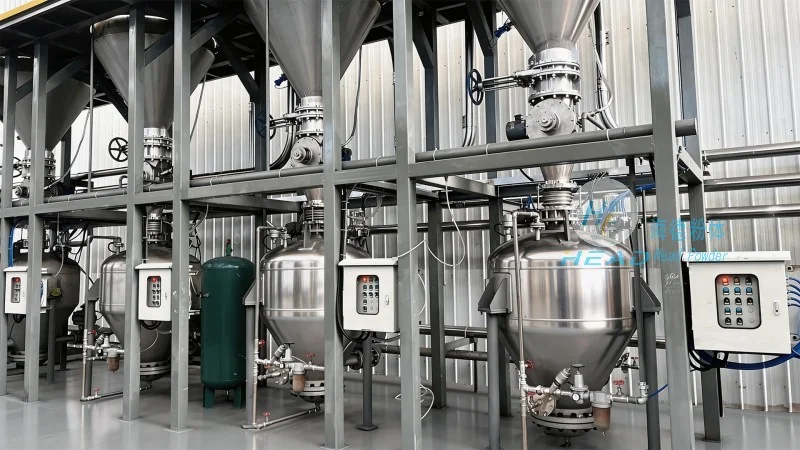
The material is then discharged from the conveyor into the receiving hopper or processing equipment. The filter and dust collection system ensures that any particles are captured before they are released into the air, maintaining a clean and safe working environment. The entire process is automated, allowing for continuous operation with minimal human intervention, which enhances productivity and reduces labor costs.
Working Principle of the System
The working principle of the glass-blasted bead powder conveying line is based on pneumatic transport, which utilizes air pressure to move the material through a sealed system. The system operates by creating a pressure differential between the inlet and outlet of the conveyor. Compressed air is introduced into the conveyor, creating a flow that propels the glass-blasted beads forward. The beads are carried by the air stream, and the pressure difference ensures that they move efficiently through the pipes.
The pneumatic feeder plays a crucial role in maintaining the pressure differential by controlling the flow of material into the conveyor. By adjusting the air pressure and material feed rate, the system can be optimized to handle different bead sizes and flow rates. The control panel monitors the pressure and flow rates, ensuring that the system operates within the optimal range for maximum efficiency and minimal energy consumption.
The filter and dust collection system works in conjunction with the conveyor to maintain air quality. As the beads are transported, some particles may become airborne. The filter captures these particles, preventing them from being released into the environment. The collected dust is then removed from the system, ensuring that the air leaving the conveyor is clean and safe. This integrated approach to material handling and air filtration is a key feature of the glass-blasted bead powder conveying line, making it a reliable and efficient solution for industrial applications.