

Operation Process and Working Principle of Cement Raw Material Powder Conveying Line
Cement raw material powder conveying lines are critical components in the production of cement, ensuring the efficient and reliable transport of raw materials from storage to processing units. The operation of these systems involves a series of interconnected processes designed to maintain consistent flow, minimize material loss, and optimize energy consumption. Understanding both the operation process and working principle is essential for operators and engineers to maintain system efficiency and troubleshoot issues effectively.
Introduction to Cement Raw Material Powder Conveying Lines
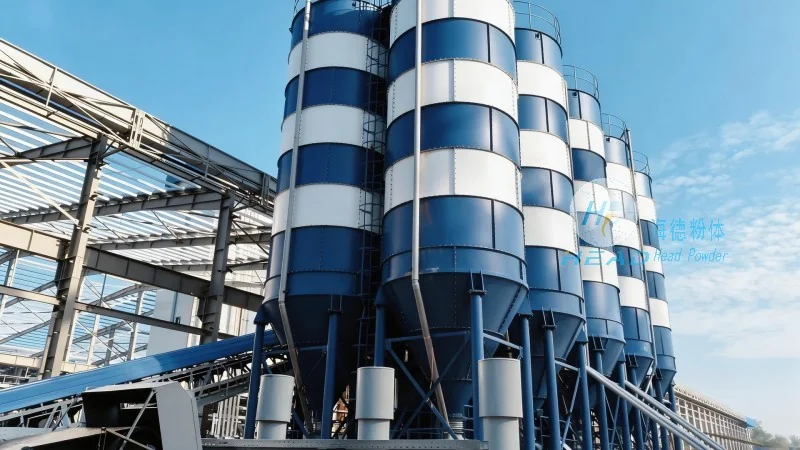
Cement raw material powder conveying lines are integral to the cement manufacturing process, responsible for transporting bulk raw materials such as limestone, clay, and iron ore from storage silos to the grinding and preheating stages. These systems are engineered to handle fine powders with high efficiency, often operating under negative pressure to prevent dust emissions and ensure environmental compliance. The design of these lines typically includes components like feeders, conveyors, and dust collection systems, all working in tandem to achieve seamless material transfer.
About Shandong HeadPowder Engineering Co., Ltd.
HeadPowder, a leading provider in the field, specializes in the design, manufacturing, and installation of cement raw material powder conveying systems. With a strong presence in China, particularly in Shandong province, the company has established itself as a trusted partner for cement plants seeking reliable and efficient material handling solutions. HeadPowder's expertise lies in customizing conveying lines to meet specific production requirements, ensuring optimal performance and longevity. The company's facilities and technical team are dedicated to delivering high-quality equipment that adheres to international standards and meets the evolving needs of the cement industry.
The Operation Process of Cement Raw Material Powder Conveying Lines
The operation process of a cement raw material powder conveying line begins with material feeding from storage silos. The raw materials are first discharged into a hopper, where a feeder (such as a rotary or vibratory feeder) regulates the flow rate. This controlled discharge ensures a consistent feed to the conveyor system, preventing overloading or underloading. The feeder then transfers the material to a conveyor, which may be a pneumatic or mechanical system, depending on the plant's configuration. Pneumatic conveying systems use air to transport the powder through pipes, while mechanical systems employ belts or buckets to move the material. The conveyor transports the material to the processing units, where it is further processed into clinker. Throughout the process, sensors and control systems monitor parameters like pressure, flow rate, and temperature to maintain optimal operation. Any deviations are automatically adjusted to prevent system downtime or material loss.
Working Principle of Cement Raw Material Powder Conveying Lines
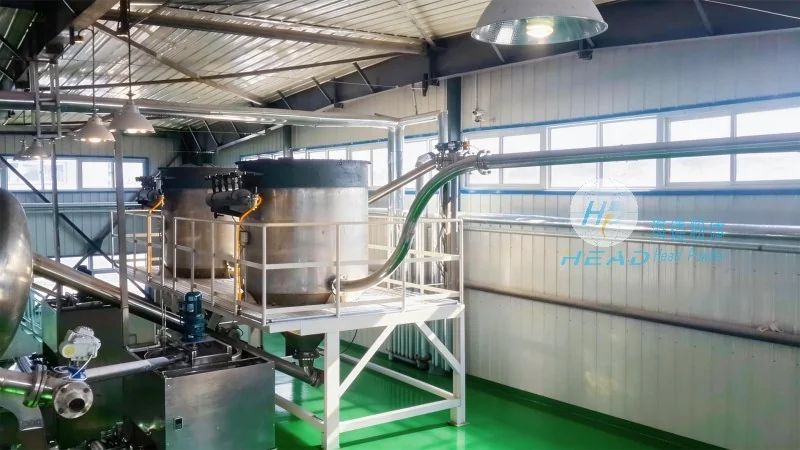
The working principle of cement raw material powder conveying lines is based on the principles of fluidization and pneumatic transport. In pneumatic systems, compressed air is introduced into the conveying line, creating a flow that lifts and transports the powder particles. The air velocity is carefully controlled to ensure that the powder remains suspended without causing excessive pressure drops or material degradation. The system operates under negative pressure to prevent dust leakage and maintain a clean working environment. Mechanical systems, on the other hand, rely on the mechanical action of belts or buckets to move the material. These systems are often used for longer distances or when the material is more abrasive. The working principle involves the continuous rotation of the conveyor components, which pulls the material forward through the system. Both pneumatic and mechanical systems are designed to handle the specific characteristics of cement raw materials, such as their fine particle size and cohesive properties.
Key Components and Their Functions
Several key components are integral to the operation of cement raw material powder conveying lines. The feeders, as mentioned earlier, regulate the material flow from storage silos. They are designed to handle bulk materials and ensure a consistent feed rate, which is crucial for maintaining the efficiency of the conveying system. The conveyors, whether pneumatic or mechanical, are responsible for transporting the material to the processing units. Pneumatic conveyors use air to move the powder, while mechanical conveyors use belts or buckets. The dust collection systems are essential for maintaining environmental compliance and ensuring worker safety. These systems capture any dust particles that may be released during the conveying process and filter them before releasing them into the atmosphere. The control systems, which include sensors and programmable logic controllers (PLCs), monitor and regulate the operation of the entire system. They adjust parameters like air pressure, flow rate, and conveyor speed to maintain optimal performance and prevent issues such as blockages or overloading.
Advantages of Cement Raw Material Powder Conveying Lines
The use of cement raw material powder conveying lines offers several advantages over traditional material handling methods. One of the primary benefits is the reduction in material loss and dust emissions, which improves environmental performance and worker safety. The systems are also designed to be energy-efficient, with optimized air flow and conveyor speeds reducing energy consumption. The consistent flow of materials ensures that the cement production process operates smoothly, minimizing downtime and increasing overall productivity. Additionally, the modular design of these systems allows for easy expansion or modification as production needs change. This flexibility makes them suitable for both new and existing cement plants, providing a cost-effective solution for material handling.
Applications and Industries
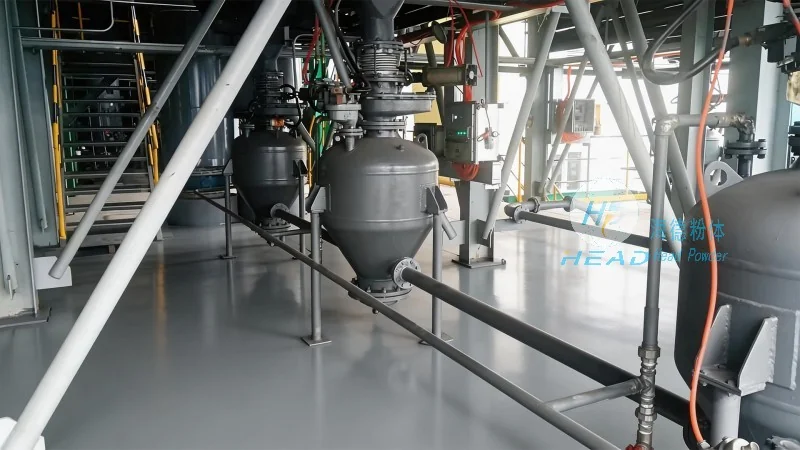
Cement raw material powder conveying lines are widely used in the cement industry, but their applications extend to other industries that handle fine powders. These include the chemical, pharmaceutical, and food processing industries, where the efficient transport of powders is critical for maintaining product quality and consistency. The systems are also used in mining and mineral processing, where they help transport raw ores and minerals from storage to processing units. In the cement industry, these lines are essential for the production of clinker, which is the key ingredient in cement. The consistent supply of raw materials ensures that the clinker production process operates efficiently, leading to higher quality cement products. The use of these systems in other industries helps improve overall productivity and reduce material handling costs.
Maintenance and Troubleshooting
Maintenance of cement raw material powder conveying lines is crucial to ensure their long-term performance and reliability. Regular maintenance includes checking and replacing worn parts, cleaning the system to prevent blockages, and inspecting the control systems for proper operation. Blockages are a common issue in these systems, often caused by material buildup or air leaks. Troubleshooting blockages involves checking the feeder, conveyor, and dust collection systems for obstructions. If a blockage is detected, the system is typically shut down and cleared before resuming operation. Regular cleaning of the dust collection system is also important to prevent clogging and maintain air flow. The control systems should be checked regularly to ensure that all sensors and actuators are functioning correctly. Any issues with the control system should be addressed promptly to prevent system malfunctions. By following a regular maintenance schedule, cement plants can ensure that their conveying lines operate efficiently and reliably, minimizing downtime and maximizing productivity.
Future Developments and Innovations
The cement industry is constantly evolving, and the technology used in cement raw material powder conveying lines is also advancing. Future developments may include the use of more advanced materials for the conveying components, such as high-strength plastics or composites, to improve durability and reduce maintenance costs. The integration of artificial intelligence (AI) and machine learning (ML) into the control systems may allow for more predictive maintenance and optimization of the conveying process. AI can analyze data from sensors to predict potential issues before they occur, allowing for proactive maintenance. Additionally, the use of more energy-efficient motors and air compressors may further reduce the energy consumption of the system. The development of more compact and modular systems may also make them easier to install and maintain in existing plants. These innovations will help cement plants improve their operational efficiency, reduce costs, and enhance their environmental performance.