

AlN Pneumatic Conveying Technology: In-Depth Analysis of Vacuum and Positive Pressure Conveying Appl
Aluminum nitride (AlN) is a critical material in modern industrial applications, widely used in electronics, ceramics, and advanced manufacturing. The efficient and reliable transport of AlN powder is essential for maintaining production quality and operational efficiency. Pneumatic conveying technology offers a solution to this challenge, enabling the safe and effective movement of AlN particles through a system of pipes and air flow. This article provides a comprehensive overview of AlN pneumatic conveying, focusing on the two primary methods: vacuum and positive pressure systems, and explores their applications in industrial settings. The information is presented by Shandong HeadPowder Engineering Co., Ltd., a leading provider of engineering solutions for material handling and processing.
Introduction to Pneumatic Conveying for AlN
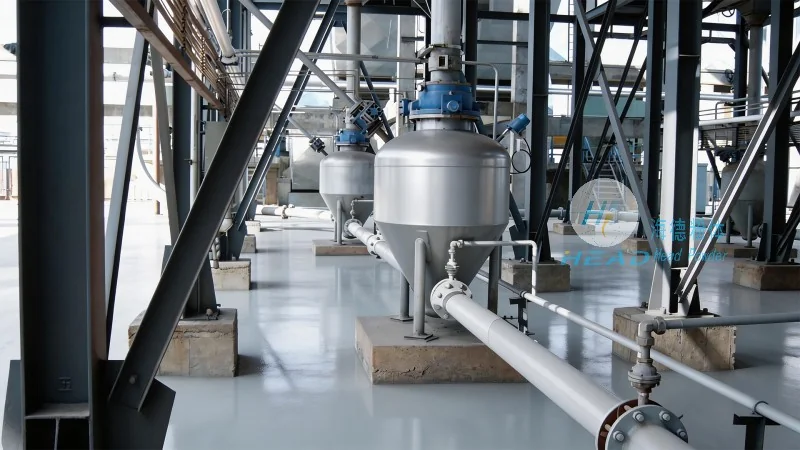
Before delving into the specifics of vacuum and positive pressure conveying, it is important to understand the fundamental principles of pneumatic conveying. This method involves transporting bulk materials, such as AlN powder, using a gas stream, typically air, to move the material through a pipeline. The choice between vacuum and positive pressure systems depends on factors like material characteristics, system layout, and operational requirements. Both methods have their advantages and are chosen based on the specific needs of the application.
Vacuum Pneumatic Conveying for AlN
Vacuum pneumatic conveying systems operate by creating a low-pressure environment at the material loading point, which draws the AlN powder into the conveying line. This method is particularly effective for materials that are prone to dust generation or require a gentle handling approach. The system typically includes a vacuum pump, a hopper for material storage, and a filter to capture any fine particles. The vacuum system ensures that the material is drawn through the pipeline without the need for high-pressure air, reducing the risk of particle degradation or equipment wear. For AlN, which is often sensitive to moisture and contamination, the vacuum approach helps maintain material integrity during transport.
Positive Pressure Pneumatic Conveying for AlN
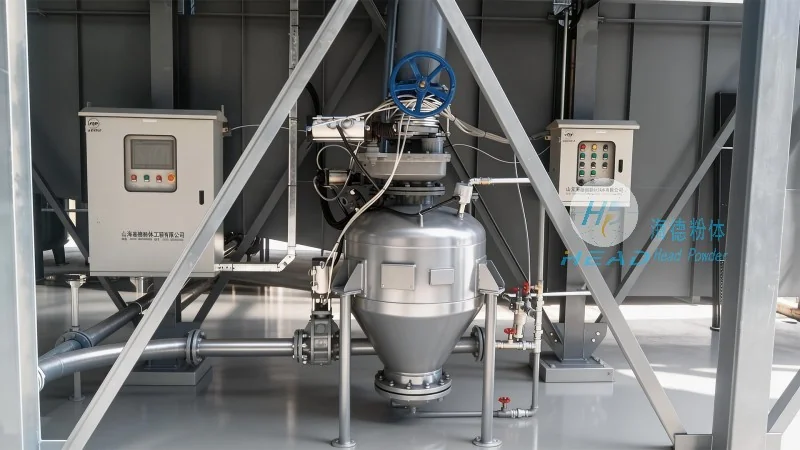
Positive pressure systems, on the other hand, use compressed air to push the AlN powder through the conveying line. This method is generally more suitable for longer distances or when the material needs to be transported against gravity. The system consists of a blower or compressor that supplies high-pressure air, a hopper, and a pipeline network. Positive pressure conveying can handle a wider range of particle sizes and flow rates compared to vacuum systems, making it versatile for various AlN applications. However, it requires careful consideration of pressure differentials and equipment maintenance to prevent material degradation or system failures.
Key Considerations in AlN Pneumatic Conveying
When implementing either vacuum or positive pressure pneumatic conveying for AlN, several key factors must be considered to ensure optimal performance. Material properties, such as particle size distribution, moisture content, and flowability, directly impact the choice of system and operational parameters. For example, fine AlN powders may require a more gentle handling approach, favoring vacuum systems, while coarser particles might benefit from the higher pressure of positive pressure systems. Additionally, the system layout, including the number of bends, pipe diameter, and length, affects the pressure drop and overall efficiency. Proper filtration and dust control are also critical to prevent contamination and ensure compliance with environmental regulations. The selection of appropriate equipment, such as hoppers, valves, and filters, is essential for maintaining material quality and system reliability.
Applications of AlN Pneumatic Conveying
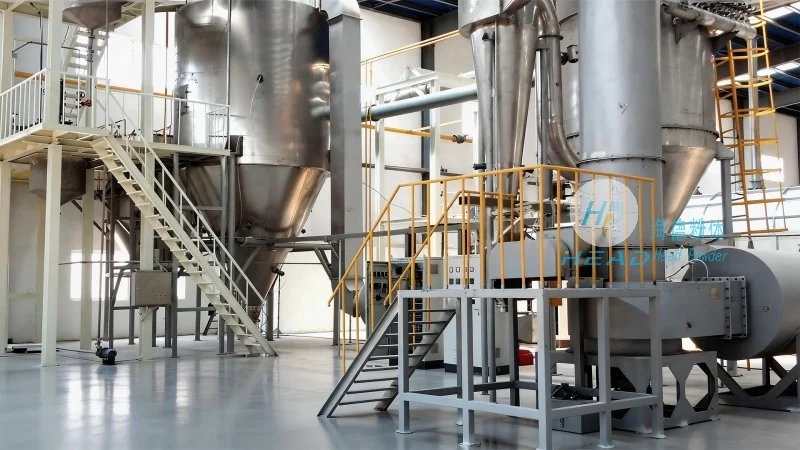
AlN pneumatic conveying systems are widely used in various industrial applications, including the production of electronic components, ceramic manufacturing, and advanced materials processing. In electronics, AlN is used as a substrate for high-power devices and sensors, and efficient transport is crucial for maintaining the purity of the material. In ceramic production, AlN powders are used to create high-performance ceramics, and the conveying system must ensure that the material remains free of contaminants. The ability to handle AlN in a controlled environment, minimizing exposure to air and moisture, is a key advantage of pneumatic conveying. Additionally, the flexibility of both vacuum and positive pressure systems allows for integration into existing production lines, enhancing operational efficiency and reducing downtime.
Conclusion
In conclusion, pneumatic conveying technology offers effective solutions for the transport of aluminum nitride powder, with vacuum and positive pressure systems providing distinct advantages based on specific application requirements. The choice between these methods depends on factors such as material characteristics, system layout, and operational goals. By understanding the principles and considerations of each system, industrial manufacturers can select the most appropriate pneumatic conveying solution to ensure the efficient and reliable transport of AlN. This approach not only enhances production efficiency but also maintains the quality and integrity of the material, which is critical for high-performance applications.