

[Lithium Carbonate Pneumatic Conveying Technology: In-Depth Analysis of Vacuum and Positive Pressure
Lithium carbonate is a critical raw material in the production of lithium-ion batteries, which are the backbone of modern renewable energy storage and electric vehicle technologies. As the demand for lithium resources grows, efficient and reliable material handling methods become paramount. Pneumatic conveying technology offers a solution by transporting lithium carbonate powders through a pipeline using air or other gases. This article provides a comprehensive analysis of vacuum and positive pressure pneumatic conveying systems, focusing on their applications in lithium carbonate processing and the technical advantages of each approach.
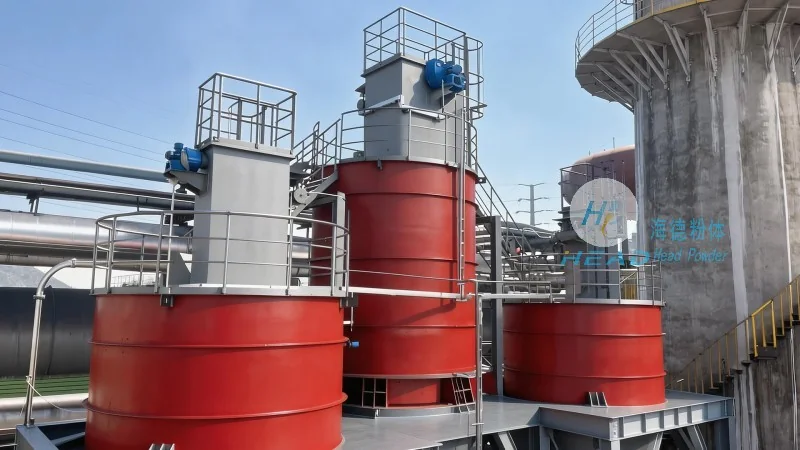
Introduction to Pneumatic Conveying Systems for Lithium Carbonate
Pneumatic conveying systems are widely used in the chemical and material processing industries to transport bulk powders like lithium carbonate. These systems utilize the force of air or gas to move material through a sealed pipeline, eliminating the need for mechanical components such as belts or buckets. The choice between vacuum and positive pressure systems depends on factors like material characteristics, distance, and process requirements. Both methods have distinct operational principles and performance characteristics that make them suitable for different lithium carbonate handling scenarios.
Vacuum Pneumatic Conveying Technology for Lithium Carbonate
Vacuum pneumatic conveying systems operate by creating a negative pressure (vacuum) at the material inlet, drawing the lithium carbonate powder into the pipeline. The system typically includes a vacuum pump, a material feed hopper, and a receiver tank. As air is drawn through the pipeline, it carries the powder particles, which are then separated from the air at the receiver end using cyclones or filters. This method is particularly effective for short to medium-distance conveying, where the material is fed from a single source to a single destination. The vacuum system offers advantages such as low energy consumption for short runs and the ability to handle fine powders without excessive pressure, reducing the risk of particle degradation.
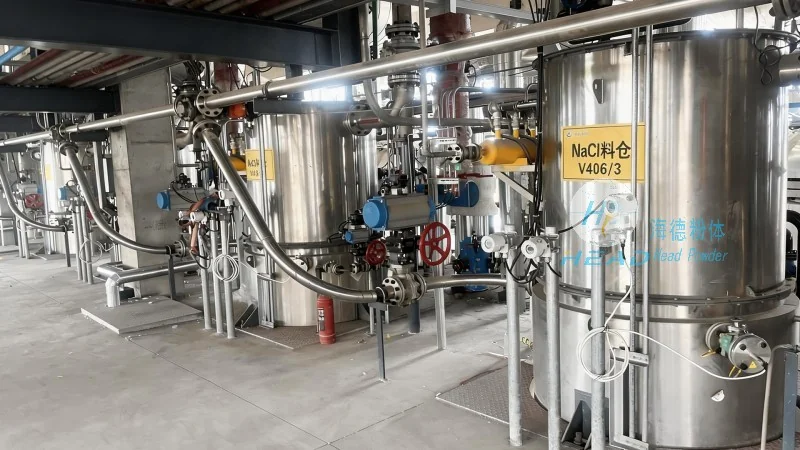
Positive Pressure Pneumatic Conveying Technology for Lithium Carbonate
Positive pressure systems, on the other hand, generate high-pressure air or gas at the material source, pushing the lithium carbonate powder through the pipeline. This approach is suitable for longer conveying distances and multiple delivery points, as the high pressure maintains material flow and prevents blockages. The system consists of a blower, a material feeder, and a series of pipelines with multiple outlets. The high-pressure air ensures consistent material transport, even with varying particle sizes or moisture content. However, positive pressure systems require more energy compared to vacuum systems and may need additional filtration to manage dust emissions.
Key Considerations in Selecting Conveying Systems for Lithium Carbonate
When selecting a pneumatic conveying system for lithium carbonate, several factors must be considered. The particle size and flowability of the lithium carbonate powder are critical, as finer particles may require higher air velocities to prevent clogging. The distance between the feed and delivery points influences the choice between vacuum and positive pressure systems, with vacuum being more suitable for shorter distances and positive pressure for longer runs. Additionally, the system's ability to handle moisture and prevent material degradation is essential, as lithium carbonate can be sensitive to moisture and temperature changes. HeadPowder, a leading engineering company based in Shandong, China, specializes in designing and implementing customized pneumatic conveying solutions tailored to the specific needs of lithium carbonate processing facilities.
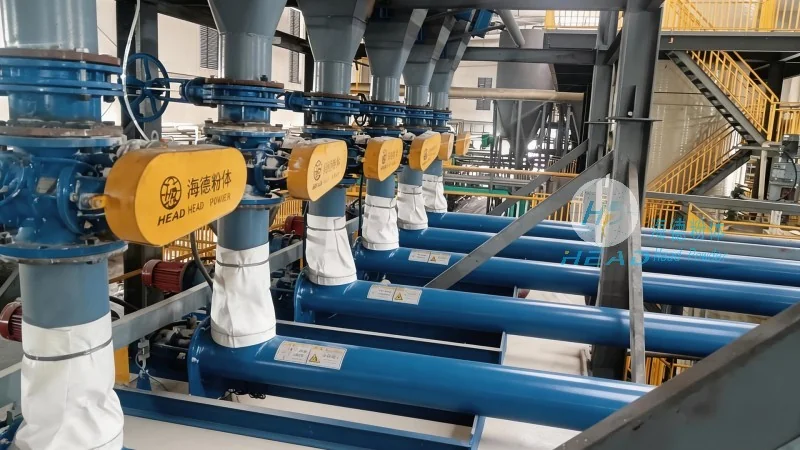
Application Examples and Case Studies
HeadPowder has successfully implemented both vacuum and positive pressure pneumatic conveying systems in lithium carbonate processing plants. For instance, a client required a vacuum system to transport fine lithium carbonate from a storage silo to a processing line over a distance of 50 meters. The system was designed with a high-efficiency cyclone separator to ensure minimal dust loss and consistent material flow. In another case, a positive pressure system was used to convey lithium carbonate from a production line to multiple storage silos over a distance of 200 meters, with the ability to serve three different destinations simultaneously. These applications demonstrate the versatility of pneumatic conveying technology in optimizing lithium carbonate handling efficiency and reducing operational costs.
Conclusion: Advancing Lithium Carbonate Handling with Pneumatic Conveying
Pneumatic conveying technology, whether operated under vacuum or positive pressure, plays a vital role in the efficient and safe handling of lithium carbonate. The choice between the two systems depends on the specific requirements of the lithium carbonate processing facility, including distance, material characteristics, and energy considerations. Companies like Shandong HeadPowder Engineering Co., Ltd. leverage their expertise in engineering and material handling to provide tailored solutions that enhance productivity and ensure compliance with industry standards. As the demand for lithium continues to rise, the adoption of advanced pneumatic conveying systems will remain crucial in optimizing the supply chain and supporting the growth of the renewable energy sector.