

Preventing Dust Leakage in Pneumatic Conveying Systems for Cement Dry Ash Transport
Pneumatic conveying systems are widely used in industrial applications for the efficient transport of bulk materials such as cement dry ash. These systems utilize air pressure to move materials through pipelines, offering advantages like reduced maintenance, flexibility in layout, and the ability to handle materials in a closed environment. However, a common challenge in such systems is the prevention of dust leakage, which can lead to environmental issues, health hazards, and operational inefficiencies. This article explores effective strategies and solutions to mitigate dust leakage when operating pneumatic conveying systems specifically for cement dry ash, with a focus on practical applications and industry best practices.
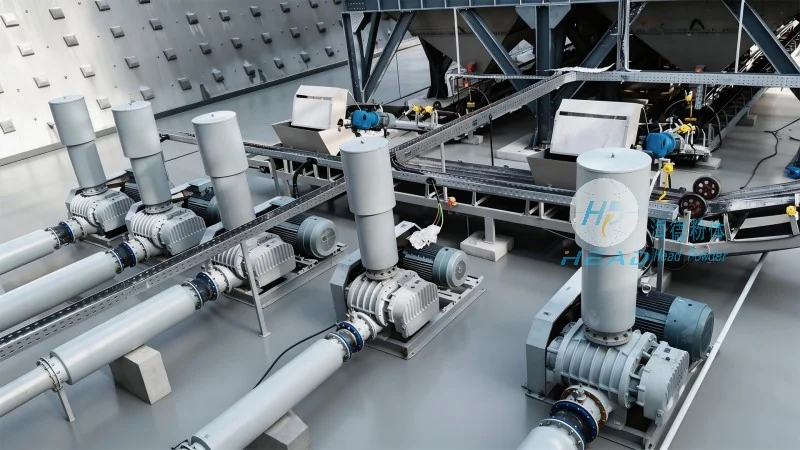
The Importance of Dust Control in Cement Dry Ash Conveying
Dust leakage from pneumatic conveying systems handling cement dry ash poses significant risks. Exposed dust can contaminate the surrounding environment, leading to regulatory non-compliance and potential fines. Additionally, airborne dust particles can affect worker health, increasing the risk of respiratory issues. From an operational standpoint, dust leakage can cause pipeline blockages, reduce system efficiency, and increase energy consumption. Therefore, implementing robust dust control measures is crucial for maintaining system performance, ensuring safety, and complying with environmental standards.
Key Factors Contributing to Dust Leakage in Pneumatic Conveying
Several factors contribute to dust leakage in pneumatic conveying systems for cement dry ash. First, the nature of the material itself—fine particles and high dust content—makes it prone to escaping from seals and joints. Second, inadequate sealing of the system components, such as valves, elbows, and hoppers, allows air and dust to escape. Third, improper air pressure management can lead to pressure differentials that facilitate dust leakage. Finally, wear and tear on system parts over time can compromise the integrity of seals, leading to increased leakage. Understanding these factors is essential for developing targeted solutions to prevent dust leakage.
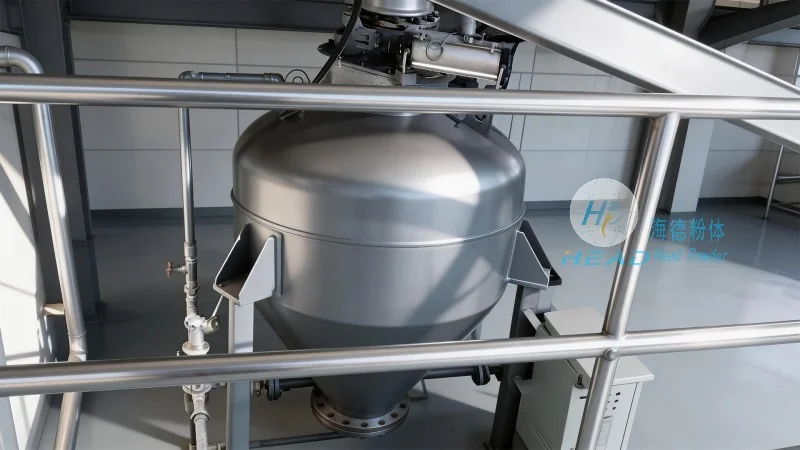
Effective Strategies to Prevent Dust Leakage
Preventing dust leakage in pneumatic conveying systems for cement dry ash involves a combination of design, maintenance, and operational strategies. One key approach is to use high-quality sealing components, such as double-seal valves and airlocks, which create multiple barriers to prevent dust from escaping. Additionally, ensuring proper alignment and tight fitting of all system parts is critical. Regular maintenance, including inspections and replacements of worn seals and gaskets, helps maintain the system's integrity. Operational strategies, like controlling air pressure within optimal ranges and using filtration systems to capture any escaped dust, further enhance dust control. Implementing these strategies can significantly reduce dust leakage and improve overall system performance.
Advanced Solutions from HeadPowder for Cement Dry Ash Conveying
HeadPowder, a leading provider of pneumatic conveying solutions, offers advanced systems designed to minimize dust leakage in cement dry ash transport. The company specializes in custom-engineered solutions tailored to the specific needs of industrial clients. Their systems incorporate state-of-the-art sealing technologies, including positive displacement blowers and efficient filtration systems, to ensure minimal dust exposure. HeadPowder's expertise in material handling and system design ensures that their solutions are both effective and durable. By partnering with HeadPowder, businesses can achieve reliable, dust-free operation while maintaining high efficiency in cement dry ash transport.
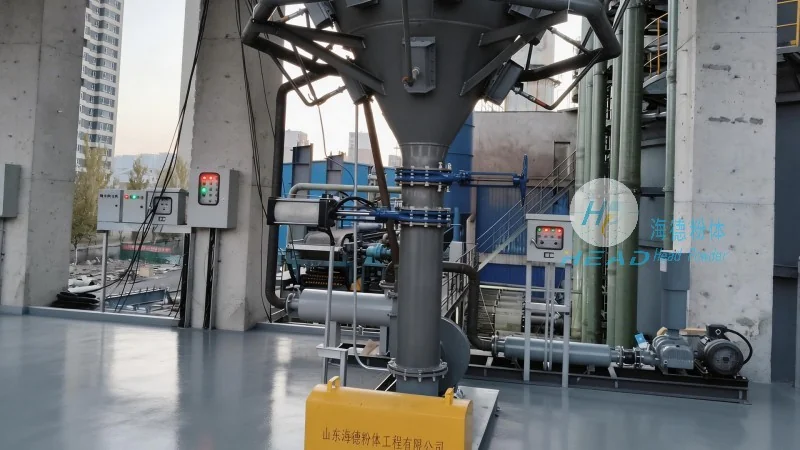
Case Studies and Real-World Applications
HeadPowder has successfully implemented dust control solutions in various industrial applications. For example, a cement plant in Shandong, China, experienced significant dust leakage issues with their existing pneumatic conveying system. After installing HeadPowder's advanced sealing and filtration systems, the plant reported a 90% reduction in dust leakage, leading to improved environmental compliance and reduced operational costs. Another client, a dry ash processing facility, benefited from HeadPowder's customized system that integrated airlocks and double-seal valves, resulting in a 75% decrease in airborne dust. These case studies demonstrate the effectiveness of HeadPowder's solutions in addressing dust leakage challenges in cement dry ash conveying.
Conclusion and Recommendations
Preventing dust leakage in pneumatic conveying systems for cement dry ash is a critical aspect of efficient and safe material handling. By understanding the key factors contributing to dust leakage and implementing effective strategies, such as high-quality sealing components and regular maintenance, businesses can minimize environmental and health risks while maintaining system performance. HeadPowder, with its expertise and advanced solutions, provides reliable options for addressing dust control in cement dry ash transport. For industries seeking to enhance their pneumatic conveying systems, partnering with HeadPowder can lead to improved efficiency, compliance, and operational success.