

Preventing Dust Leakage in Pneumatic Conveying Systems for Cement Powder Transport
Efficient and safe material handling is a critical concern in industrial operations, especially when dealing with fine powders like cement. Pneumatic conveying systems have become a preferred method for transporting cement powder due to their ability to move materials over long distances with minimal equipment. However, one of the major challenges associated with these systems is the risk of dust leakage, which can lead to operational inefficiencies, health hazards, and environmental issues. This article explores effective strategies and solutions provided by Shandong HeadPowder Engineering Co., Ltd. to prevent dust leakage in pneumatic conveying systems during cement powder transport.
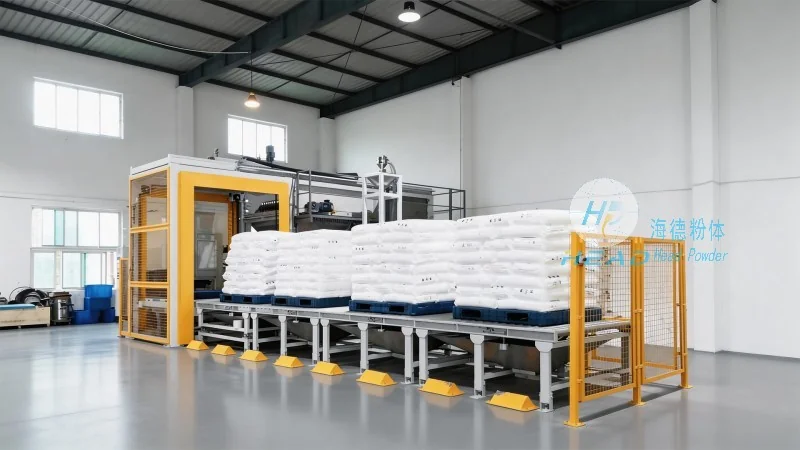
Understanding the Challenges of Dust Leakage in Pneumatic Conveying
Before delving into prevention methods, it is essential to understand why dust leakage occurs in pneumatic conveying systems. Cement powder is a fine, dry material that can easily become airborne when the system is not properly sealed or maintained. Common causes of dust leakage include inadequate sealing at connection points, worn-out or damaged components, and improper system design that allows for air or powder to escape. These issues not only reduce the efficiency of the conveying process but also pose significant health risks to workers exposed to cement dust, as well as environmental concerns due to potential contamination of the surrounding area.
Key Solutions for Dust Control in Pneumatic Conveying Systems
Shandong HeadPowder Engineering Co., Ltd. offers comprehensive solutions to address dust leakage in pneumatic conveying systems. One of the primary approaches is the implementation of high-quality sealing mechanisms at all critical connection points. These include robust flange connections, gasket systems, and specialized sealing components designed to maintain a tight seal even under varying pressure conditions. By ensuring that all joints and interfaces are properly sealed, the system can effectively contain the cement powder and prevent air or dust from escaping.
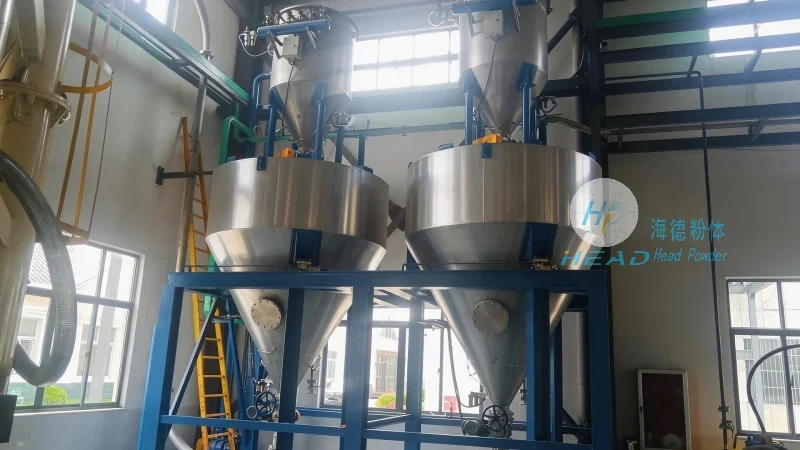
Another crucial solution involves the use of advanced material handling equipment specifically engineered for cement powder transport. This includes pneumatic conveying lines equipped with positive pressure or negative pressure systems, depending on the application requirements. The company’s expertise lies in designing systems that maintain consistent pressure differentials, which is vital for preventing backflow and ensuring that the cement powder remains within the conveying line. Additionally, the use of dust collection and filtration systems can help capture any stray particles, further reducing the risk of leakage and improving overall safety.
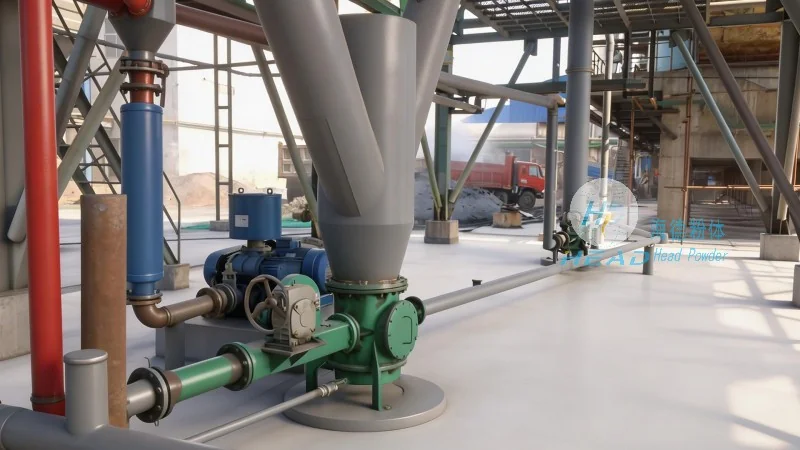
Maintenance and Operational Best Practices
Preventing dust leakage is not just about initial system design but also about consistent maintenance and operational best practices. Regular inspections and maintenance of the pneumatic conveying system are essential to identify and address any potential issues before they escalate into significant problems. This includes checking for worn seals, damaged hoses or pipes, and ensuring that all components are functioning optimally. The company emphasizes the importance of training operators on proper system operation and maintenance procedures to minimize the risk of dust leakage over time.
Conclusion: Ensuring Safe and Efficient Cement Powder Transport
Effective prevention of dust leakage in pneumatic conveying systems is paramount for maintaining operational efficiency, worker safety, and environmental compliance. Shandong HeadPowder Engineering Co., Ltd. provides tailored solutions that address the unique challenges of cement powder transport, including advanced sealing technologies, specialized equipment, and comprehensive maintenance support. By implementing these strategies, industrial facilities can ensure that their pneumatic conveying systems operate safely and efficiently, minimizing the risks associated with dust leakage and optimizing overall material handling processes.