

Preventing Dust Leakage in Pneumatic Conveying Systems for Magnesium Oxide Powder
When handling magnesium oxide powder, selecting the right pneumatic conveying system is crucial for maintaining operational efficiency and safety. Magnesium oxide, with its fine particle size and potential for dust generation, requires specialized equipment to ensure reliable transport without compromising air quality or worker health. This article explores effective strategies to prevent dust leakage in such systems, highlighting key considerations and best practices.
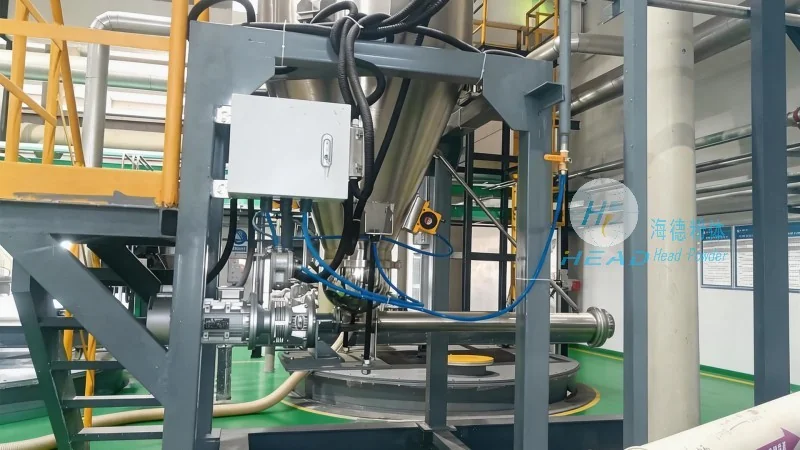
Understanding the Challenges of Magnesium Oxide Powder Handling
Magnesium oxide powder is commonly used in various industrial applications, including construction, pharmaceuticals, and chemical manufacturing. Its fine particle characteristics make it prone to creating dust clouds during handling, which can lead to environmental contamination, equipment wear, and health risks for personnel. Traditional bulk handling methods often struggle with maintaining containment, especially when dealing with high volumes or abrasive materials. Pneumatic conveying systems offer a solution by using air to transport the material, but they must be designed with dust control measures to prevent leakage.
Key Components of an Effective Pneumatic Conveying System for Magnesium Oxide
For optimal performance in transporting magnesium oxide powder, a well-designed pneumatic conveying system incorporates several critical components. The system typically includes a hopper for material storage, a rotary valve or feeder to control the flow rate, a conveying line (often with flexible hoses or rigid pipes), and a receiver for the discharged material. Each component must be selected to handle the specific properties of magnesium oxide, such as its density, flowability, and dust propensity. The choice of materials for the hopper and conveying line, for instance, is vital to prevent material buildup or abrasion that could lead to leaks.
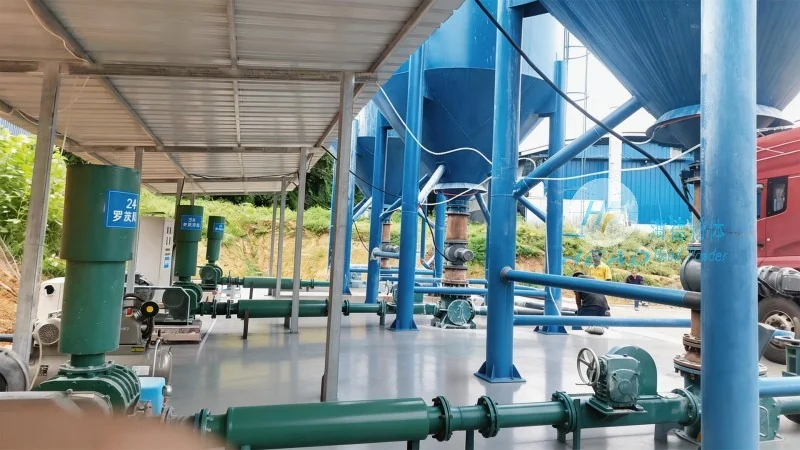
Preventing Dust Leakage: Design and Operational Strategies
Preventing dust leakage in pneumatic conveying systems for magnesium oxide powder involves a combination of design features and operational practices. One of the most effective approaches is the use of sealed systems, where all components are connected to prevent air or material from escaping. Sealed hoppers and feeders are essential to contain the material before it enters the conveying line. Additionally, the installation of dust collection systems, such as cyclones or bag filters, at the discharge end helps capture any residual dust, ensuring compliance with environmental regulations and maintaining air quality.
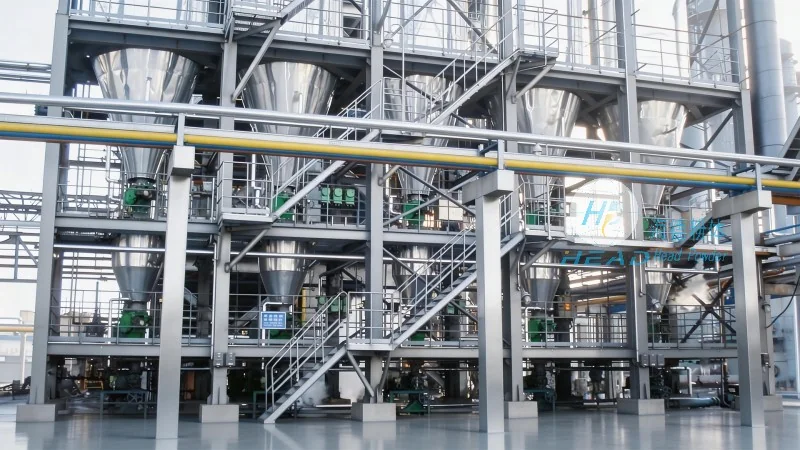
Role of Sealed Hoppers and Feeders in Containment
Sealed hoppers and feeders are foundational to preventing dust leakage in magnesium oxide handling. These components are designed to maintain a slight positive pressure within the system, preventing external air from entering and carrying dust out. The rotary valve, a common feeder type, operates by rotating to allow material to fall into the conveying line, minimizing the risk of spillage or leakage. Proper sealing around the valve and hopper connections is critical to maintain the system's integrity. Regular maintenance of these components, including checking for wear and replacing seals as needed, is essential to sustain effective dust control.
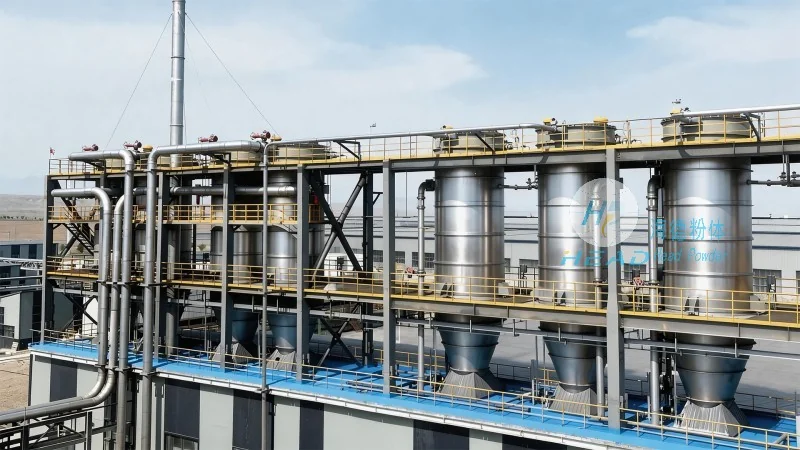
Conveying Line Design and Material Selection
The design of the conveying line itself plays a significant role in preventing dust leakage. Flexible hoses, often made of polyurethane or PVC, are commonly used for horizontal or vertical transport due to their flexibility and resistance to abrasion. Rigid pipes, such as stainless steel or aluminum, may be used for longer distances or higher pressure applications. The choice of material depends on the specific characteristics of magnesium oxide, including its abrasiveness and potential for caking. Properly sized and supported lines help maintain consistent air flow, reducing the risk of pressure drops that could cause material to escape. Additionally, installing check valves or pressure relief devices can prevent backflow or overpressure, which might lead to leaks.
Operational Practices for Maintaining Dust Control
Even with a well-designed system, operational practices are crucial to prevent dust leakage. Regular cleaning of the system, including the hopper, feeder, and conveying line, helps remove accumulated material that could cause blockages or leaks. Monitoring air pressure and flow rates during operation ensures that the system is functioning optimally. Training personnel on proper handling procedures, such as avoiding sudden pressure changes or overfilling the hopper, is also essential. By adhering to these practices, the risk of dust leakage can be significantly reduced, ensuring a safe and efficient operation.