

[Dolomite Pneumatic Conveying Technology: Principles, Applications, and Development Trends]
Dolomite, a calcium-magnesium carbonate mineral, is widely used in various industrial sectors such as metallurgy, chemical processing, and construction materials. The efficient and reliable transportation of dolomite powder is crucial for optimizing production lines and enhancing operational efficiency. Pneumatic conveying technology has emerged as a preferred method for handling dolomite due to its ability to transport bulk materials in a dust-free environment. This article explores the fundamental principles of dolomite pneumatic conveying, its practical applications across different industries, and the emerging trends that are shaping the future of this technology.
Introduction to Dolomite Pneumatic Conveying
HeadPowder, a leading engineering company based in Shandong, China, specializes in the design, manufacturing, and implementation of advanced pneumatic conveying systems. With years of experience in the field, HeadPowder has developed comprehensive solutions tailored to the unique characteristics of dolomite, ensuring optimal performance and minimal operational disruptions. The company's commitment to innovation and customer satisfaction has positioned it as a trusted partner for industries relying on consistent and efficient material handling.
Principles of Dolomite Pneumatic Conveying
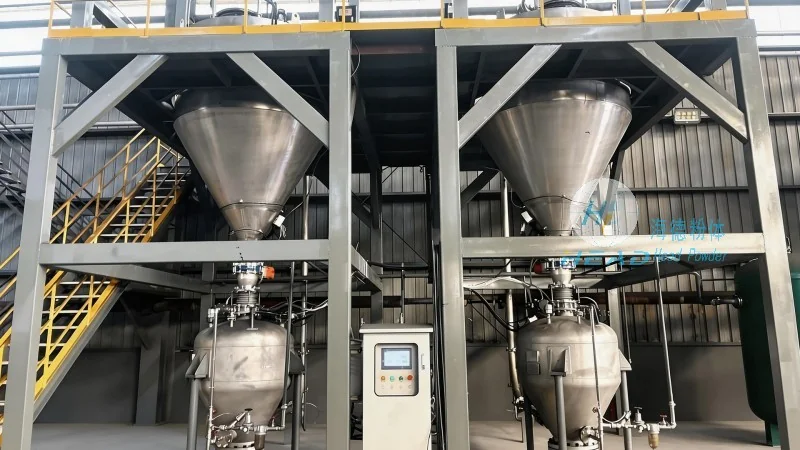
The core principle of pneumatic conveying involves the use of air or gas to transport solid materials through a pipeline system. For dolomite, which typically exists as fine powders or granules, two primary methods are commonly employed: suction (or vacuum) conveying and pressure conveying. Suction conveying uses a vacuum pump to draw material from a source, such as a storage silo or hopper, into the conveying line. This method is ideal for applications requiring low pressure and minimal energy consumption, particularly when the material is to be transported over short distances or from multiple sources. Pressure conveying, on the other hand, utilizes a positive pressure system where compressed air is introduced at the discharge end of the pipeline, pushing the material forward. This approach is suitable for longer distances and higher throughput, making it a preferred choice for large-scale industrial operations.
A key factor in the successful implementation of dolomite pneumatic conveying is understanding the material's physical properties. Dolomite particles often exhibit varying sizes, densities, and moisture content, which can affect the conveying efficiency. For instance, fine dolomite powders may require higher air velocities to prevent clogging or deposition in the pipeline. HeadPowder's engineers conduct thorough material characterization to determine the optimal air flow rates, pipeline diameters, and pressure differentials required for each application. This ensures that the conveying system operates within the most efficient parameters, minimizing energy waste and maximizing material throughput.
Applications in Industrial Processes
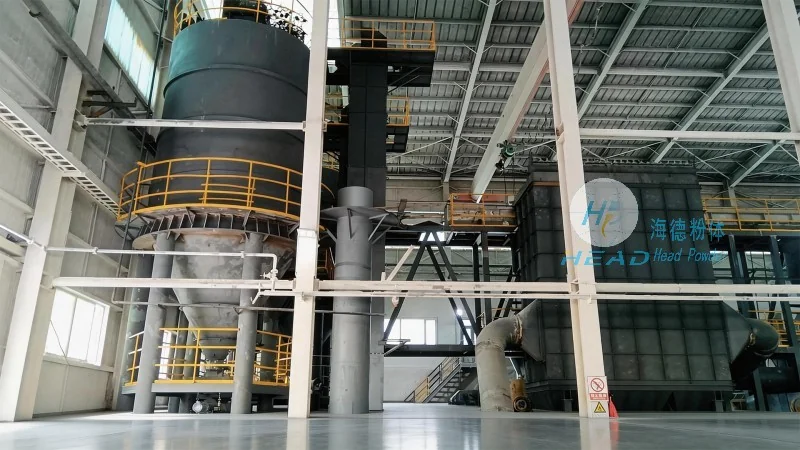
Dolomite is utilized in a wide range of industrial processes, and the pneumatic conveying systems designed by HeadPowder are tailored to meet the specific demands of each application. In the metallurgical industry, dolomite is used as a flux in steelmaking and as a refractory material in furnace linings. The high-temperature resistance and chemical stability of dolomite make it an essential component in these processes. Pneumatic conveying systems enable the precise delivery of dolomite to the furnace, ensuring consistent quality and reducing the risk of contamination from manual handling.
In the chemical industry, dolomite is employed as a raw material in the production of calcium compounds, such as calcium chloride and calcium carbonate. The fine powder form of dolomite is critical for these chemical reactions, and pneumatic conveying allows for seamless integration into the production line. HeadPowder's systems are designed to handle the high moisture content and abrasive nature of dolomite, preventing equipment wear and maintaining product purity. This results in higher yields and lower production costs for chemical manufacturers.
In the construction materials sector, dolomite is used as a filler in cement and as an aggregate in concrete. The ability to transport dolomite in a dust-free manner is particularly valuable in construction sites, where dust control is essential for worker safety and environmental compliance. HeadPowder's pneumatic conveying solutions are equipped with advanced filtration systems that capture and recycle fine particles, reducing emissions and ensuring compliance with local regulations.
Development Trends and Future Prospects
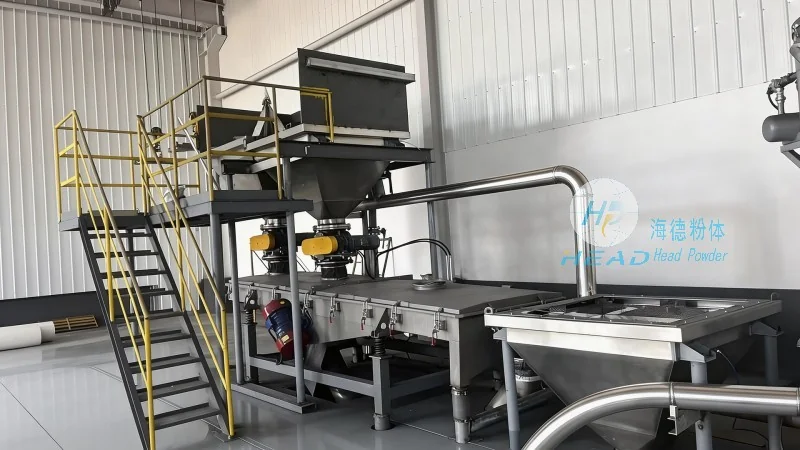
The field of dolomite pneumatic conveying is continuously evolving, driven by advancements in technology and increasing demands for efficiency and sustainability. One of the key trends is the integration of automation and control systems. Modern pneumatic conveying systems now feature sophisticated sensors and control panels that monitor air pressure, flow rates, and material levels in real-time. This allows for automated adjustments to optimize performance and prevent system failures. HeadPowder has incorporated these advanced control technologies into its systems, providing customers with enhanced operational visibility and reduced downtime.
Another significant trend is the focus on energy efficiency and environmental sustainability. As industries strive to reduce their carbon footprint, pneumatic conveying systems are being designed to operate with lower energy consumption. This includes the use of variable frequency drives (VFDs) to regulate air flow and the implementation of energy recovery systems that capture and reuse exhaust air. HeadPowder's commitment to sustainability is reflected in its product designs, which prioritize energy efficiency without compromising performance.
Future developments in dolomite pneumatic conveying are also expected to involve the adoption of smart technologies, such as the Internet of Things (IoT) and artificial intelligence (AI). IoT sensors can provide real-time data on system performance, enabling predictive maintenance and proactive troubleshooting. AI algorithms can analyze this data to optimize operational parameters and identify opportunities for improvement. These advancements will further enhance the reliability and efficiency of dolomite conveying systems, making them even more indispensable in modern industrial operations.
Company Profile and Technical Expertise
Shandong HeadPowder Engineering Co., Ltd., the parent company of HeadPowder, is headquartered in Shandong, China. With a strong presence in the region, the company leverages its local expertise and resources to deliver tailored solutions for diverse industrial needs. HeadPowder's team of engineers and technicians possesses extensive knowledge of pneumatic conveying systems and has successfully implemented projects across various industries. The company's commitment to quality and customer satisfaction is evident in its rigorous testing protocols and after-sales support services.
HeadPowder's technical capabilities extend beyond system design and installation. The company offers comprehensive services, including material testing, system optimization, and maintenance support. By partnering with HeadPowder, industries can benefit from the company's deep understanding of dolomite properties and its ability to adapt to evolving market demands. The company's focus on innovation and customer-centric solutions ensures that clients receive not only efficient conveying systems but also long-term value and operational excellence.