

[Maltose Pneumatic Conveying Technology: Principles, Applications, and Development Trends]
HeadPowder, a leading provider in the field of material handling solutions, specializes in advanced pneumatic conveying systems tailored for the maltose industry. This article delves into the core principles, practical applications, and emerging trends of maltose pneumatic conveying technology, offering insights into how these systems enhance operational efficiency and product integrity in industrial settings.
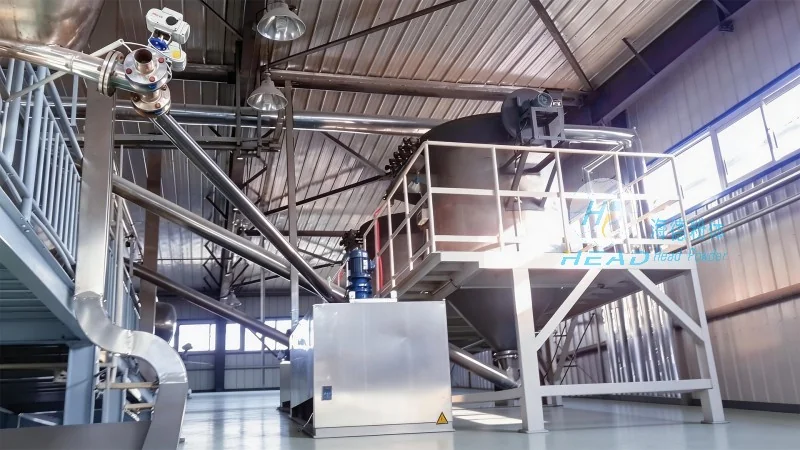
At the heart of pneumatic conveying for maltose lies the fundamental principle of transporting bulk materials through a pressurized or vacuumed air stream. The technology utilizes air as the medium to move maltose powder or granules from one location to another, eliminating the need for mechanical components like belts or buckets that can introduce contamination or mechanical stress to the product. This method is particularly advantageous for handling sensitive materials such as maltose, which require minimal handling to preserve their quality and nutritional properties.
The pneumatic conveying system for maltose typically consists of several key components, including a hopper for material storage, a conveyor line (either positive pressure or negative pressure), a filter system to capture and return any escaped particles, and a control unit to regulate the air flow and pressure. Positive pressure systems, where air is blown into the conveyor line, are commonly used for short to medium distance conveying, while negative pressure systems, which draw material into the line using suction, are preferred for longer distances or when handling fine powders that are prone to dusting. The choice between these systems depends on factors such as the distance between the source and destination, the particle size and density of the maltose, and the desired level of product containment.
One of the primary applications of maltose pneumatic conveying technology is in the food and beverage industry, where it is used to transport maltose from storage silos to processing lines, such as mixing, blending, or packaging facilities. The system ensures a continuous and hygienic flow of maltose, minimizing downtime and reducing the risk of cross-contamination with other ingredients. For example, in a maltose production plant, the conveying system can efficiently move maltose from the storage area to the mixing tanks, where it is combined with other raw materials to create various food products like candies, beverages, or baked goods. The ability to handle maltose in a closed system also helps maintain its freshness and prevents exposure to moisture or air, which can affect its flavor and shelf life.
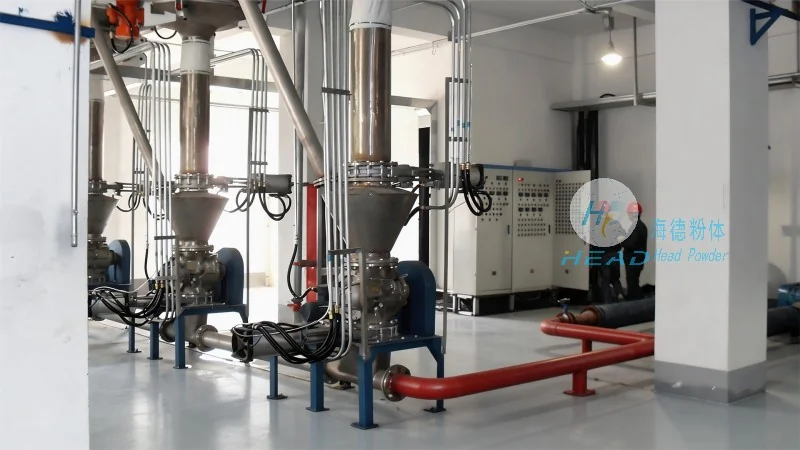
In the pharmaceutical and nutraceutical sectors, maltose is often used as a sweetener or excipient in dietary supplements and medications. Here, the pneumatic conveying technology plays a crucial role in transferring maltose to production lines with strict quality control requirements. The system’s ability to operate in a sterile or controlled environment, combined with its minimal product contact with surfaces, ensures that the maltose remains free from contaminants and meets the stringent regulatory standards for pharmaceutical applications. This is particularly important when handling maltose in formulations that require high purity, as any impurities or particulate matter can impact the efficacy and safety of the final product.
Another significant application is in the chemical and industrial sectors, where maltose is used as a raw material in the production of various chemicals or as a feedstock in industrial processes. The pneumatic conveying system enables the efficient and safe transport of maltose from bulk storage to processing units, such as reactors or reactors, where it is further processed. The system’s design, which includes features like dust collection and air filtration, helps maintain a clean and safe working environment, reducing the risk of dust explosions or health hazards associated with fine powders. Additionally, the ability to control the flow rate and pressure of the air stream allows for precise dosing of maltose, ensuring consistent product quality and reducing waste.
As the industry evolves, several trends are shaping the future of maltose pneumatic conveying technology. One key trend is the integration of automation and digital control systems, which enhance the system’s efficiency and reliability. Modern pneumatic conveying systems now incorporate sensors and programmable logic controllers (PLCs) to monitor and adjust the air flow, pressure, and material level in real-time. This automation not only improves operational efficiency but also reduces the need for manual intervention, minimizing human error and enhancing safety. For instance, a PLC can automatically adjust the conveyor speed based on the material feed rate, ensuring a consistent flow of maltose and preventing overloading or underloading of the system.
Another emerging trend is the adoption of more sustainable and energy-efficient technologies. Manufacturers are developing pneumatic conveying systems that use less energy while maintaining or improving performance. This includes the use of variable frequency drives (VFDs) to regulate the air compressor speed, reducing energy consumption during periods of low demand. Additionally, the implementation of closed-loop systems, where the air used for conveying is recycled and filtered, helps minimize the environmental impact of the process. These sustainable features are becoming increasingly important as industries strive to meet environmental regulations and reduce their carbon footprint.
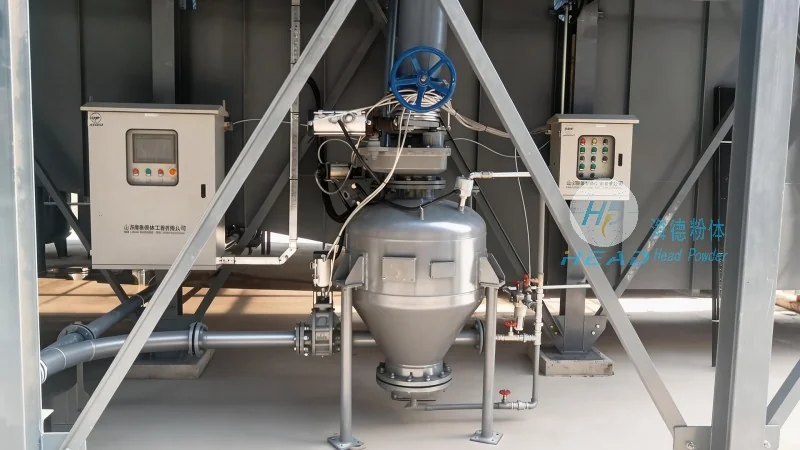
Furthermore, the development of advanced materials and components is also driving innovation in maltose pneumatic conveying technology. For example, the use of high-quality stainless steel and food-grade materials in the construction of hoppers, conveyor lines, and filters ensures that the system is resistant to corrosion and can handle the chemical properties of maltose without degradation. The incorporation of anti-static features in the system components helps prevent the buildup of static electricity, which is a common issue with fine powders like maltose and can lead to dust explosions. These advancements not only improve the longevity and performance of the system but also enhance the safety and hygiene of the operation.
In conclusion, maltose pneumatic conveying technology offers a reliable and efficient solution for transporting maltose in various industrial applications. By leveraging the principles of air-based material handling, these systems provide a hygienic, continuous, and low-maintenance method of moving maltose from storage to processing. As the industry continues to evolve, the integration of automation, sustainability, and advanced materials will further enhance the capabilities of these systems, ensuring their continued relevance and importance in the future of industrial material handling.
Shandong HeadPowder Engineering Co., Ltd., with its headquarters in Shandong, China, is a trusted partner in providing customized pneumatic conveying solutions for the maltose industry. The company’s expertise in designing and manufacturing advanced conveying systems, combined with its commitment to quality and innovation, makes it a leading choice for businesses seeking to optimize their maltose handling processes. Whether for food, pharmaceutical, or industrial applications, HeadPowder’s solutions are tailored to meet the specific needs of each client, ensuring efficient, safe, and reliable operation.