

Operation Process and Working Principle of Sodium Chlorate Pneumatic Conveying
Sodium chlorate is a vital chemical compound utilized across diverse industrial sectors, including pulp and paper production, chemical synthesis, and water treatment. The efficient and safe transportation of sodium chlorate is paramount for sustaining production efficiency and ensuring operational safety. Pneumatic conveying systems have emerged as a preferred method for handling this material due to their capability to transport powders within a controlled environment, minimizing dust exposure and reducing the risk of material degradation. This article provides a comprehensive overview of the operation process and working principles of sodium chlorate pneumatic conveying systems, highlighting key components, operational steps, and the benefits of this technology.
Key Components of a Pneumatic Conveying System for Sodium Chlorate
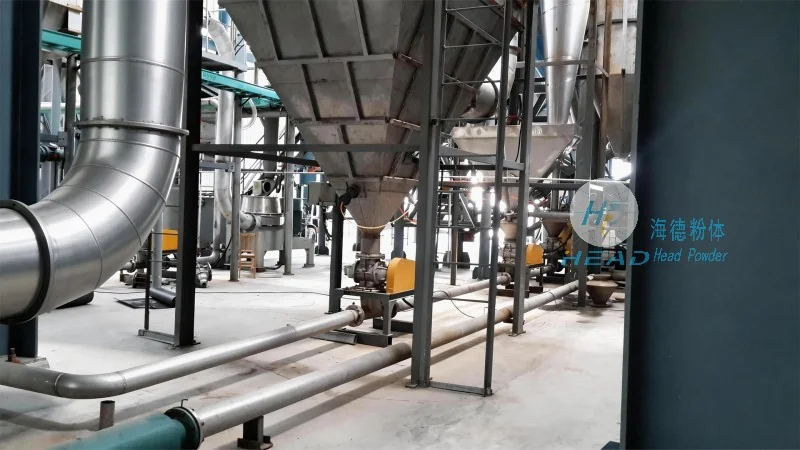
The pneumatic conveying system for sodium chlorate typically comprises several essential components that function in unison to ensure smooth material transport. The primary components include a hopper or feeder for material storage and discharge, a conveyor line (either positive or negative pressure), a dust collector or filter system, and a control panel for monitoring and regulating the process. The hopper is engineered to hold the sodium chlorate and feed it into the conveyor line at a controlled rate, preventing blockages and ensuring consistent flow. The conveyor line, which can be either a positive pressure system (where air is blown into the line to push the material) or a negative pressure system (where air is sucked out to pull the material), forms the core of the system. The dust collector is critical for capturing any fine particles that may escape during the conveying process, ensuring compliance with environmental regulations and maintaining a clean working environment. The control panel allows operators to adjust system parameters, such as air pressure and material feed rate, to optimize performance and prevent overloading or underloading of the conveyor line.
Operation Process of Sodium Chlorate Pneumatic Conveying
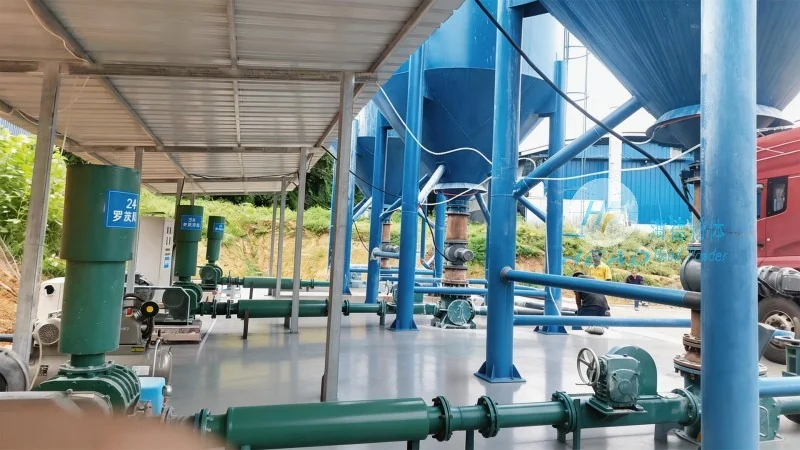
The operation process of a sodium chlorate pneumatic conveying system involves sequential steps to ensure the material is transported safely and efficiently from the storage hopper to the destination point. The first step is material loading into the hopper, where the sodium chlorate is stored in a sealed container to prevent moisture absorption and contamination. Once the hopper is filled, the feeder mechanism begins to discharge the material into the conveyor line at a controlled rate. The feeder may be a rotary valve, a screw feeder, or a vibratory feeder, depending on the system design and material characteristics. The second step is the initiation of the conveying process, controlled by the system's control panel. In a positive pressure system, the air compressor supplies compressed air to the conveyor line, creating a pressure differential that pushes the sodium chlorate particles forward. The air and material mixture travels through the pipeline to the receiving hopper or storage tank. In a negative pressure system, a vacuum pump creates a suction force that pulls the material and air through the line. The third step is the separation of the material from the air at the receiving end. The material is deposited into the receiving hopper, while the air is filtered and returned to the system or released into the atmosphere. The fourth step is the system shutdown and maintenance. After the conveying operation is complete, the system is shut down by reducing the air pressure or vacuum, and the hopper and conveyor line are cleaned to prevent material buildup and ensure future operation. Regular maintenance, including checking for leaks, cleaning filters, and inspecting components, is essential to maintain the system's efficiency and longevity.
Working Principles of Pneumatic Conveying for Sodium Chlorate
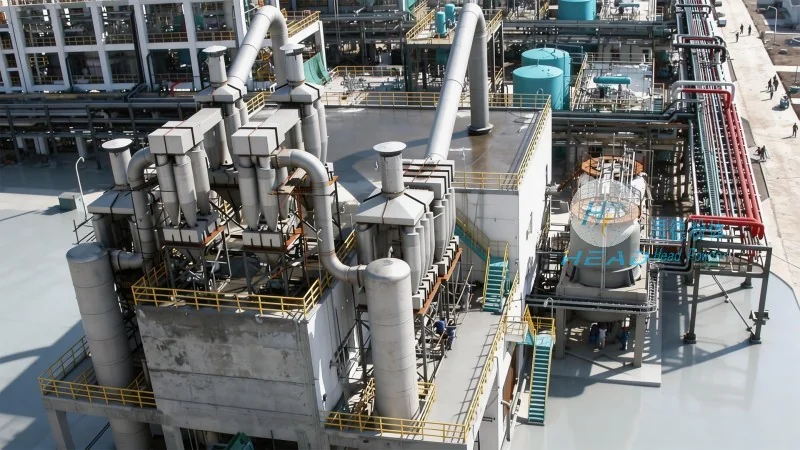
The working principles of a pneumatic conveying system for sodium chlorate are based on fluid dynamics and particle transport. The system relies on the movement of air to transport the solid particles of sodium chlorate. In a positive pressure system, compressed air is introduced into the conveyor line, creating a high-pressure environment that pushes the material forward. The air velocity in the line must be sufficient to overcome gravitational force and frictional resistance of the material particles, ensuring the material remains suspended and moves along the pipeline. The air-to-material ratio is a critical parameter determining system capacity and efficiency. An optimal ratio ensures the material is fully suspended and transported without clogging the line. In a negative pressure system, the vacuum pump creates a low-pressure environment that draws the material and air into the line. The suction force must be strong enough to overcome material and pipeline resistance, ensuring the material is pulled along the line. The air velocity in the negative pressure system is typically lower than in the positive system, resulting in lower transport rates but may suit longer or more complex layouts. The material particles are transported as a dilute phase, where particles are dispersed in the air stream, rather than a dense phase. This dilute phase transport is more efficient for sodium chlorate, reducing degradation risk and ensuring consistent flow.
Benefits and Considerations for Sodium Chlorate Pneumatic Conveying
Pneumatic conveying systems offer several benefits for sodium chlorate transportation, making them a preferred choice in industrial applications. A primary benefit is the ability to transport material in a closed system, minimizing dust exposure and reducing environmental contamination. This is crucial for sodium chlorate, as it is a hazardous material causing respiratory issues if inhaled. The closed system also prevents moisture absorption and external contamination, ensuring material quality and purity. Another benefit is the high efficiency and capacity, allowing large quantities of sodium chlorate to be transported over long distances with minimal energy use. The system can handle various flow rates, from low to high, and be scaled to meet application needs. Additionally, pneumatic conveying systems are relatively simple to install and maintain, with fewer moving parts compared to belt or bucket elevators. However, considerations include the need for a reliable compressed air or vacuum source, potentially increasing energy costs. Pipeline design is critical to prevent buildup and ensure smooth flow, and the system must be properly sized for material characteristics like particle size, density, and moisture content. Regular maintenance is essential to prevent failures and ensure long-term operation. Overall, the benefits of pneumatic conveying systems for sodium chlorate outweigh considerations, making them a cost-effective and efficient solution for material transport.
Conclusion
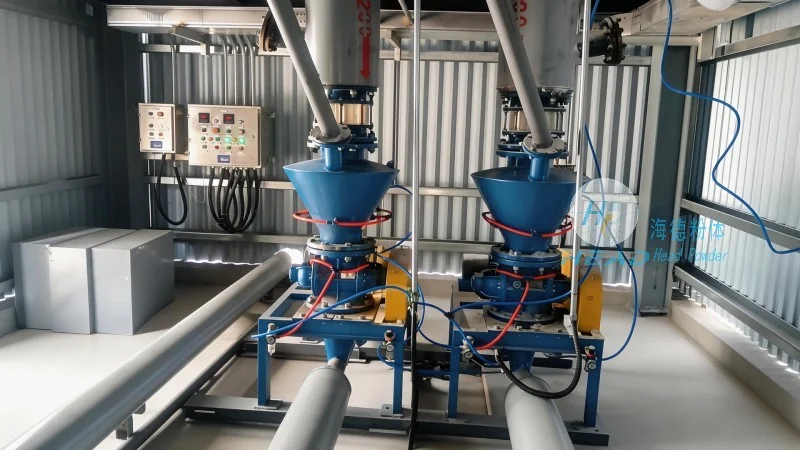
In conclusion, the operation process and working principles of sodium chlorate pneumatic conveying systems are critical for ensuring efficient and safe material transportation. The system consists of key components—hopper, conveyor line, dust collector, and control panel—that work together to move sodium chlorate from storage to destination. The operation involves loading, conveying, separation, and shutdown, with each step carefully controlled for efficiency and safety. Working principles rely on fluid dynamics, using positive or negative pressure to move material along pipelines, with dilute phase transport being optimal for sodium chlorate. Benefits include closed system operation, high efficiency, and low maintenance, while considerations involve energy use, design, and maintenance. As a leading provider of pneumatic conveying solutions, Shandong HeadPowder Engineering Co., Ltd. specializes in designing and manufacturing customized systems tailored to industrial needs, ensuring reliable and efficient transportation of sodium chlorate and other chemical materials.