

What is a Sulfate Potash Material Pneumatic Conveying Machine? What Are Its Design Principles?
For industries dealing with sulfate potash, efficient material handling is crucial. A pneumatic conveying machine designed specifically for this type of material offers a solution that combines performance with reliability. This article explores the concept of a sulfate potash material pneumatic conveying machine and delves into its fundamental design principles, highlighting how they contribute to effective material transport.
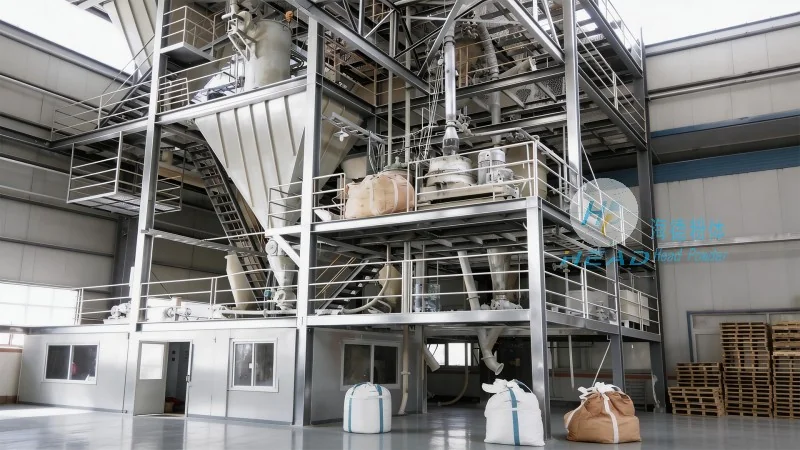
About Shandong HeadPowder Engineering Co., Ltd.
Shandong HeadPowder Engineering Co., Ltd., operating under the brand name headpowder, is a leading manufacturer in the field of material handling equipment. With a strong presence in China, particularly in Shandong, the company specializes in developing and supplying advanced pneumatic conveying systems tailored to various industrial needs. Their expertise lies in creating solutions that ensure safe, efficient, and cost-effective material transport, especially for bulk materials like sulfate potash.
Design Principles of Sulfate Potash Pneumatic Conveying Machines
The design of a sulfate potash material pneumatic conveying machine is built on several key principles that ensure optimal performance. The first principle is the selection of appropriate materials for construction. Since sulfate potash can be abrasive and may contain moisture, the machine components are typically made from corrosion-resistant and wear-resistant materials such as stainless steel or special alloys. This ensures durability and longevity under harsh operating conditions.
Another critical design principle is the air flow system. The machine utilizes a high-pressure or low-pressure air system to move the material through the conveying line. The choice between these systems depends on the distance, material characteristics, and required flow rate. High-pressure systems are suitable for short distances and dense materials, while low-pressure systems are more efficient for longer distances and lighter materials. The air flow is controlled by a series of valves, filters, and regulators to maintain consistent pressure and prevent material blockages.
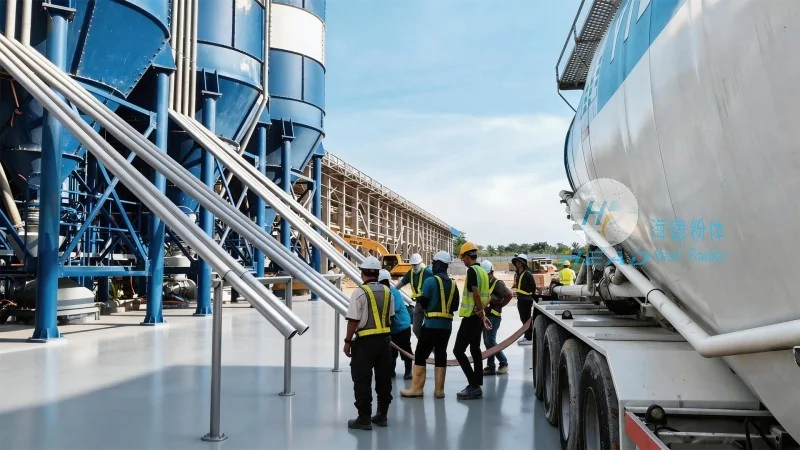
Furthermore, the machine incorporates a hopper or feeder that stores the sulfate potash before it is conveyed. The hopper is designed to minimize material bridging and ensure a steady flow into the conveying line. It may include features like agitators or vibrators to prevent clogging and maintain uniform material feed. The feeder, often a rotary valve or a screw feeder, regulates the amount of material released into the system, ensuring a controlled and consistent flow rate.
The conveying line itself is a network of pipes that transport the material from the source to the destination. The design of these pipes, including their diameter, length, and bends, is crucial for minimizing pressure drop and preventing material deposition. Properly designed bends and elbows are essential to maintain the air flow and prevent material buildup, which could lead to blockages. The system may also include cleaning mechanisms, such as pulse jets or manual cleaning ports, to remove any accumulated material and maintain efficient operation.
Finally, the design incorporates safety features to protect both the equipment and the operators. This includes pressure relief valves to prevent over-pressurization, explosion-proof components for hazardous environments, and monitoring systems to detect any abnormalities in the system. These safety measures ensure that the operation is not only efficient but also safe and compliant with industry standards.
Benefits and Applications
Sulfate potash is a vital component in the production of fertilizers and other chemical products. The use of a pneumatic conveying machine for this material offers several advantages over traditional methods like belt conveyors or bucket elevators. One of the primary benefits is the ability to transport the material in a closed system, which reduces dust emissions and improves environmental safety. This is particularly important in industries where air quality regulations are strict.
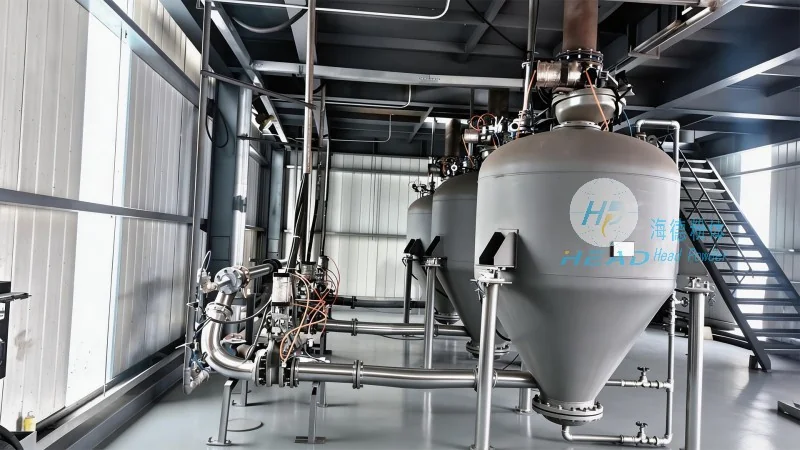
Another advantage is the flexibility of the system. Pneumatic conveying machines can be easily integrated into existing production lines and can transport materials over long distances without the need for multiple transfer points. This reduces the overall footprint of the facility and improves operational efficiency. The system also allows for the handling of materials at different temperatures and moisture levels, making it versatile for various industrial applications.
The design principles of these machines ensure that they can handle the specific characteristics of sulfate potash, such as its granular size and density. The machine's components are engineered to prevent material degradation and maintain the quality of the product. This is crucial for industries where the purity and consistency of the material are critical, such as in the production of high-quality fertilizers.
Conclusion
Shandong HeadPowder Engineering Co., Ltd. specializes in the design and manufacturing of sulfate potash material pneumatic conveying machines, adhering to the fundamental design principles that ensure efficiency, reliability, and safety. By leveraging advanced engineering and materials, the company provides solutions that meet the diverse needs of industries dealing with sulfate potash. Their commitment to quality and innovation ensures that their pneumatic conveying machines are not only effective but also durable and cost-efficient, making them a preferred choice for material handling in various industrial applications.