When it comes to the efficient handling and transportation of rice husk ash, selecting the right pneumatic conveying method is crucial for optimizing operational performance and ensuring safety. Two primary approaches dominate the industry: positive pressure conveying and negative pressure conveying. This analysis delves into the characteristics, advantages, and practical applications of each method, providing a comprehensive comparison to help stakeholders make informed decisions.
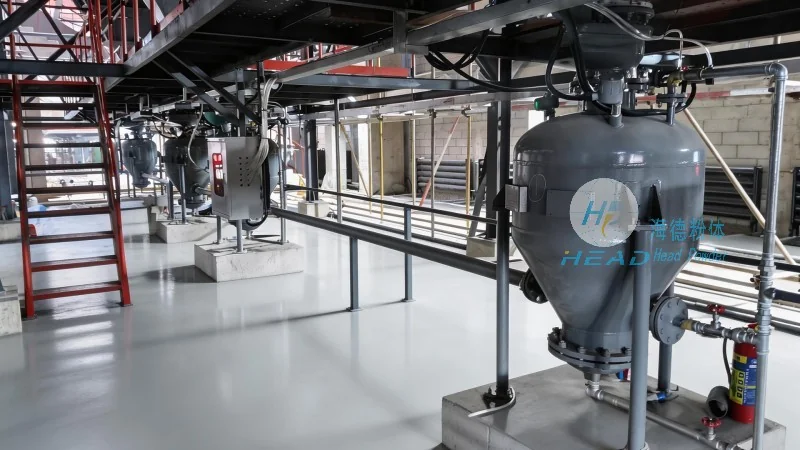
Positive Pressure Conveying: Advantages and Operational Principles
Positive pressure conveying, as the name suggests, operates by blowing air or gas into the conveying system to move material. In this method, a positive pressure is maintained throughout the entire pipeline, ensuring that material is propelled forward by the force of the air stream. This approach is particularly effective for transporting materials that are prone to dusting or caking, as the continuous flow of air helps to keep the material suspended and prevents blockages.
For rice husk ash, which is a fine, lightweight powder, positive pressure conveying offers several key benefits. First, it provides excellent control over the flow rate, allowing operators to adjust the speed of material movement based on system requirements. Second, the positive pressure environment helps to prevent the ingress of external contaminants, maintaining the purity of the ash. Third, this method is well-suited for long-distance transportation, as the consistent pressure ensures that material reaches its destination without loss or degradation.
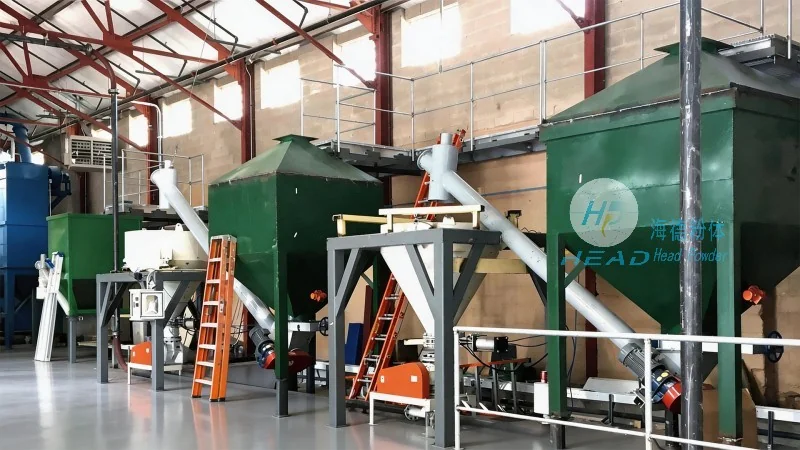
Negative Pressure Conveying: Characteristics and Application Scenarios
Negative pressure conveying, on the other hand, works by creating a vacuum in the pipeline to draw material from the source. The system pulls material into the pipe using a suction fan, and the material is then transported to the destination. This method is often preferred for applications where the material is to be collected from a large area or where the source is located at a higher elevation than the destination.
When handling rice husk ash, negative pressure conveying has its own set of advantages. One of the main benefits is that it reduces the risk of dust emissions at the source, as the material is drawn into the system rather than being expelled. This makes it a more environmentally friendly option for operations located near residential or sensitive areas. Additionally, negative pressure systems are generally quieter than positive pressure systems, which can be beneficial in noise-sensitive environments.
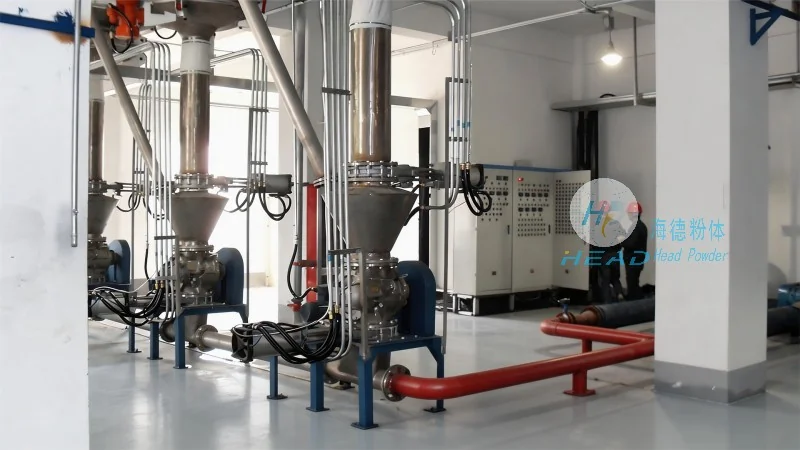
Comparative Analysis: Positive vs. Negative Pressure Conveying
When comparing positive and negative pressure conveying for rice husk ash, several factors come into play. The choice between the two methods depends largely on the specific operational conditions, material properties, and environmental considerations. Positive pressure conveying is typically more suitable for applications requiring high flow rates, long distances, or where material is prone to agglomeration. In contrast, negative pressure conveying is preferred for applications that demand low dust emissions, noise reduction, or where the source is at a higher elevation than the destination.
From an operational perspective, positive pressure systems are generally easier to maintain and repair, as they do not require complex vacuum components. However, they may be more expensive to install due to the need for robust pressure vessels and high-pressure fans. Negative pressure systems, while potentially more cost-effective to install, may require more frequent cleaning and maintenance to prevent clogging in the suction lines.
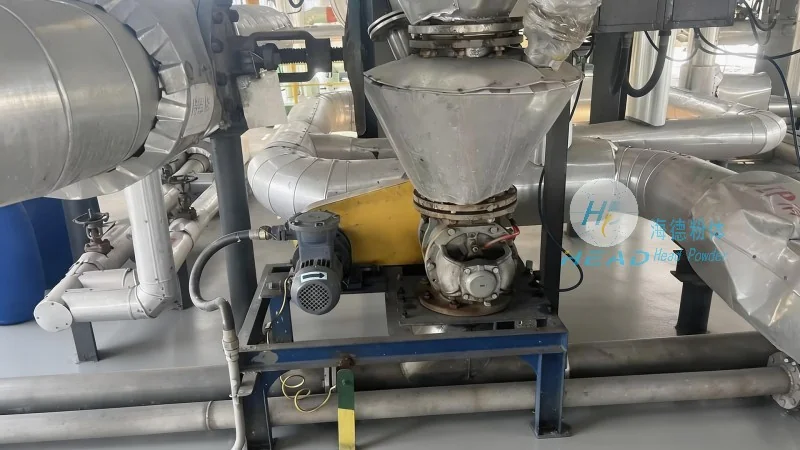
About Shandong HeadPowder Engineering Co., Ltd.
Shandong HeadPowder Engineering Co., Ltd., operating under the brand name headpowder, is a leading provider of pneumatic conveying solutions tailored to the needs of the agricultural and industrial sectors. With a focus on innovation and customer satisfaction, the company specializes in designing and manufacturing customized conveying systems for handling bulk materials, including rice husk ash. HeadPowder's expertise lies in understanding the unique challenges of each application and delivering solutions that enhance efficiency, safety, and environmental compliance.
HeadPowder is committed to providing reliable, high-performance conveying systems that meet the stringent requirements of modern industrial operations. The company's headquarters is located in Shandong, China, where it leverages local resources and expertise to develop cutting-edge technologies in pneumatic conveying. By combining advanced engineering with practical field experience, HeadPowder ensures that its customers receive tailored solutions that address their specific needs and contribute to overall operational excellence.




