

Comparison of Positive Pressure and Negative Pressure Conveying for Coal Particles: A Comparative An
In the field of material handling, pneumatic conveying systems are widely used to transport bulk materials like coal particles. Two primary methods dominate this application: positive pressure conveying and negative pressure conveying. Understanding the differences, advantages, and applications of each is crucial for selecting the most suitable system for specific industrial needs. This article provides a detailed comparison of these two methods, focusing on their operational principles, performance characteristics, and practical implications for coal particle transport.
Introduction to Pneumatic Conveying Systems
Pneumatic conveying, or air-pneumatic transport, involves the movement of solid particles through a pipeline using a gas stream, typically air. This method is preferred for coal particles due to its ability to handle abrasive materials, minimize dust emissions, and maintain a closed system, enhancing safety and environmental compliance. The two main categories of pneumatic conveying are positive pressure and negative pressure systems, each with distinct operational approaches and suitability for different scenarios.
Positive Pressure Conveying: Principles and Operation
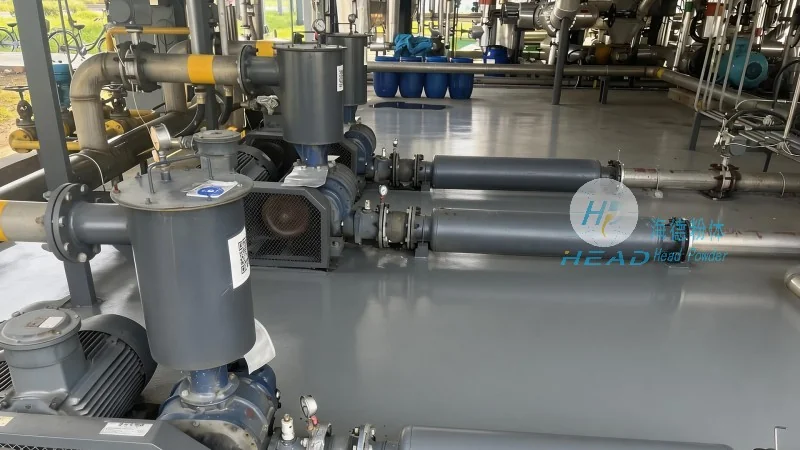
Positive pressure conveying operates by generating a higher pressure inside the conveying line compared to the ambient environment. A blower or compressor supplies compressed air to the system, creating a pressure differential that propels the coal particles through the pipeline. The system typically starts at the material loading point, where the particles are introduced into the air stream, and the air flow carries them to the discharge point. This method is known for its high conveying capacity and ability to handle long distances and multiple transfer points. The positive pressure system ensures that the entire pipeline is under pressure, preventing external air from entering and minimizing the risk of dust leakage.
Negative Pressure Conveying: Principles and Operation
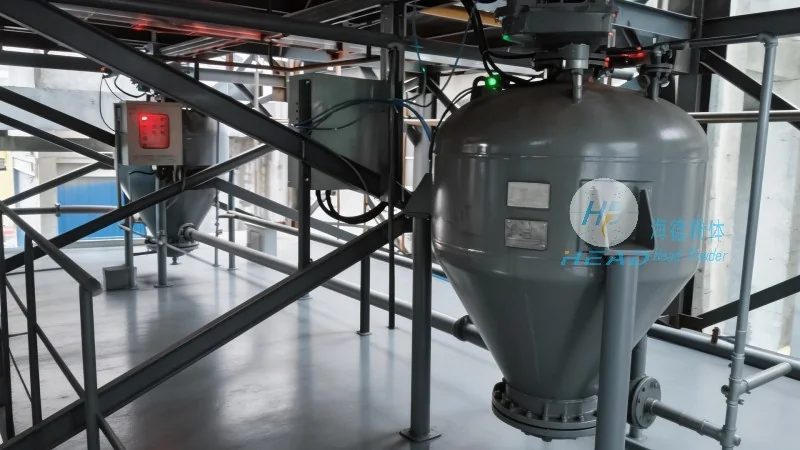
Negative pressure conveying, also known as suction or vacuum conveying, works by creating a lower pressure inside the conveying line than the ambient air pressure. A vacuum pump draws air and coal particles from the loading point into the pipeline, moving them towards the discharge point. This method is often used for shorter distances and when the material needs to be collected from multiple sources or from a low-level hopper. The negative pressure system is generally more suitable for handling fine or dusty materials, as the vacuum helps to control dust and maintain a clean environment. However, it may have lower conveying capacity compared to positive pressure systems and can be more susceptible to clogging if the material is too fine or has high moisture content.
Key Differences Between Positive and Negative Pressure Conveying
Several critical factors differentiate positive and negative pressure conveying systems. The most significant difference is the pressure differential: positive pressure systems operate under pressure, while negative pressure systems operate under vacuum. This affects the system's ability to handle material properties, such as particle size, moisture content, and abrasiveness. Positive pressure systems are generally better suited for abrasive materials and long-distance transport due to their higher pressure and capacity. In contrast, negative pressure systems are more effective for fine materials and shorter distances, as the vacuum helps to maintain particle integrity and prevent dust dispersion. Another key difference is the system's energy consumption and maintenance requirements. Positive pressure systems typically require more powerful blowers or compressors, leading to higher energy costs and more complex maintenance. Negative pressure systems, on the other hand, use vacuum pumps that may have lower energy consumption but can be more prone to wear and tear due to the abrasive nature of coal particles.
Applications and Suitability for Coal Particles
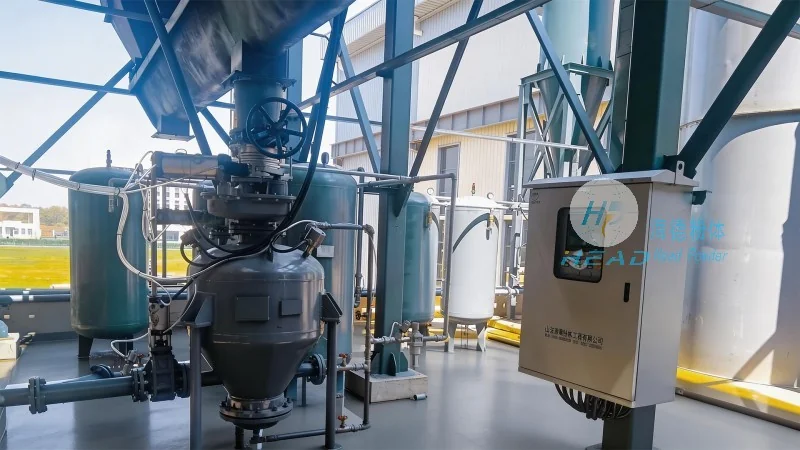
The choice between positive and negative pressure conveying for coal particles depends on several factors, including the distance to be covered, the particle size and characteristics, and the required conveying capacity. Positive pressure systems are commonly used in large-scale coal handling operations, such as power plants and mining facilities, where long distances and high throughput are required. For example, a power plant might use a positive pressure system to transport coal from a storage yard to a boiler, covering several hundred meters with a high flow rate. Negative pressure systems are more suitable for applications where the coal is collected from multiple points or from a low-level source, such as in a coal preparation plant where fine coal is being transferred from a hopper to a conveyor. The negative pressure system allows for gentle handling of the fine particles, preventing damage and maintaining their quality.
Performance Metrics and Efficiency Considerations
When evaluating pneumatic conveying systems for coal particles, several performance metrics are important to consider. These include conveying capacity, which refers to the amount of material that can be transported per unit time; pressure drop, which indicates the energy loss as the material moves through the pipeline; and system efficiency, which measures the overall effectiveness of the conveying process. Positive pressure systems generally have higher conveying capacities and lower pressure drops compared to negative pressure systems, making them more efficient for long-distance transport. However, negative pressure systems may have lower pressure drops due to the lower air velocity required for suction, which can reduce energy consumption. The choice of system also affects the system's reliability and maintenance costs. Positive pressure systems are often more reliable due to their simpler design and fewer moving parts, but they may require more frequent maintenance of the blower or compressor. Negative pressure systems, while more energy-efficient in some cases, may require more frequent maintenance of the vacuum pump and filters due to the abrasive nature of coal particles.
Environmental and Safety Considerations
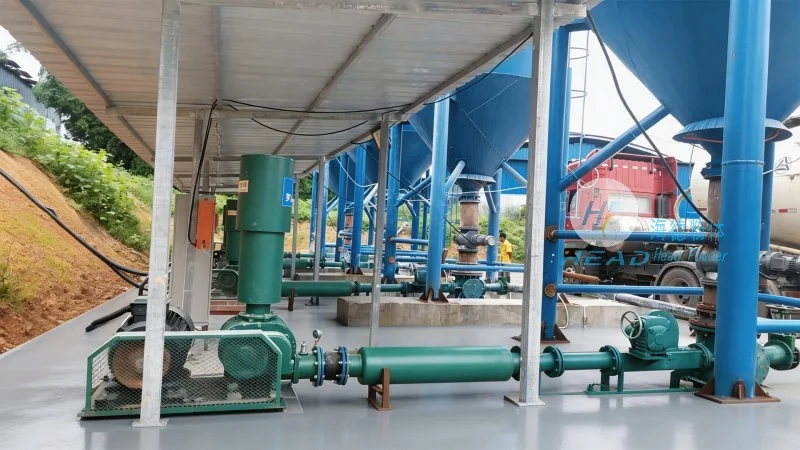
Both positive and negative pressure conveying systems offer advantages in terms of environmental and safety performance. The closed system design of both methods minimizes dust emissions and prevents the release of hazardous materials into the environment. Positive pressure systems are particularly effective in preventing dust leakage, as the entire pipeline is under pressure, reducing the risk of external air entering and carrying dust particles. Negative pressure systems, while also effective in controlling dust, may require additional filtration systems to ensure that the exhaust air is clean and compliant with environmental regulations. Safety is another critical factor, as both systems are designed to handle potentially hazardous materials like coal. Positive pressure systems are generally considered safer in terms of preventing the entry of external air, which could introduce contaminants or pose a fire risk. Negative pressure systems, while effective in controlling dust, may have a higher risk of vacuum-related hazards, such as suction of personnel or equipment into the system. Proper safety measures, such as interlocks and emergency shut-off systems, are essential for both types of systems to ensure safe operation.
Conclusion: Selecting the Right Conveying System
In conclusion, both positive pressure and negative pressure conveying systems are effective for transporting coal particles, but their suitability depends on specific operational requirements. Positive pressure systems are preferred for long-distance, high-capacity transport of abrasive materials, while negative pressure systems are more suitable for shorter distances and the handling of fine or dusty materials. The choice of system should be based on a thorough analysis of the material properties, conveying distance, and required capacity, as well as considerations of energy efficiency, maintenance costs, and environmental compliance. For industrial applications, it is essential to work with experienced engineers and manufacturers who can provide customized solutions that meet the specific needs of the operation. Shandong HeadPowder Engineering Co., Ltd., a leading provider of pneumatic conveying systems, offers a range of solutions tailored to the unique requirements of coal particle transport, ensuring efficient, reliable, and safe material handling. With a focus on innovation and quality, HeadPowder Engineering helps clients optimize their material handling processes and improve overall operational efficiency.