When it comes to the efficient and reliable transportation of high-calcium limestone powder, selecting the right pneumatic conveying method is crucial. Two primary approaches dominate the industry: positive pressure conveying and negative pressure conveying. Each method offers distinct advantages and is suited to different operational requirements. This analysis delves into the characteristics, applications, and comparative performance of both systems, providing insights for industries dealing with high-calcium limestone powder.
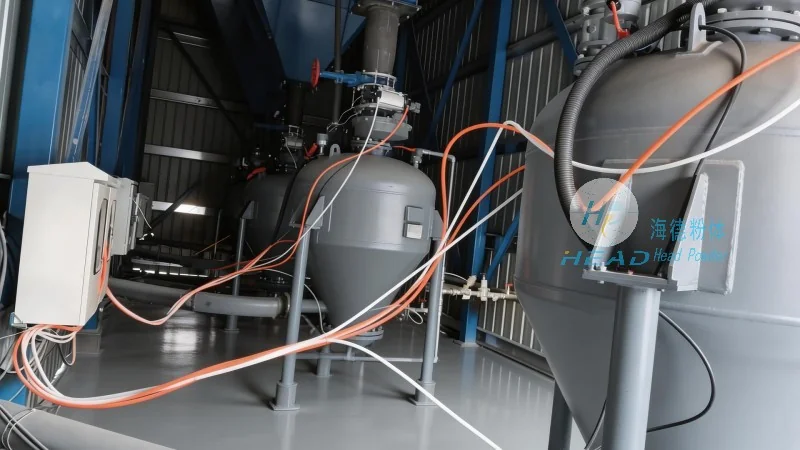
Understanding Pneumatic Conveying Systems
Pneumatic conveying is a technology that uses air or gas to transport bulk materials like high-calcium limestone powder through a pipeline. The two main types—positive pressure and negative pressure—differ in how they generate the air flow and manage material transport. Positive pressure systems force air into the conveying line, while negative pressure systems draw air out of the line, creating a vacuum to pull material along.
Positive Pressure Conveying of High-Calcium Limestone Powder
Positive pressure conveying, also known as pressure conveying, operates by blowing air into the conveying line at a pressure higher than the ambient air. This method is particularly effective for high-capacity applications and long-distance transport. The system typically includes a blower, a hopper, and a discharge valve. The high-pressure air creates a positive pressure environment, ensuring that the material is pushed through the pipeline without clogging. For high-calcium limestone powder, which can be abrasive and prone to dust generation, positive pressure systems often incorporate specialized components such as wear-resistant liners and efficient dust collection systems.
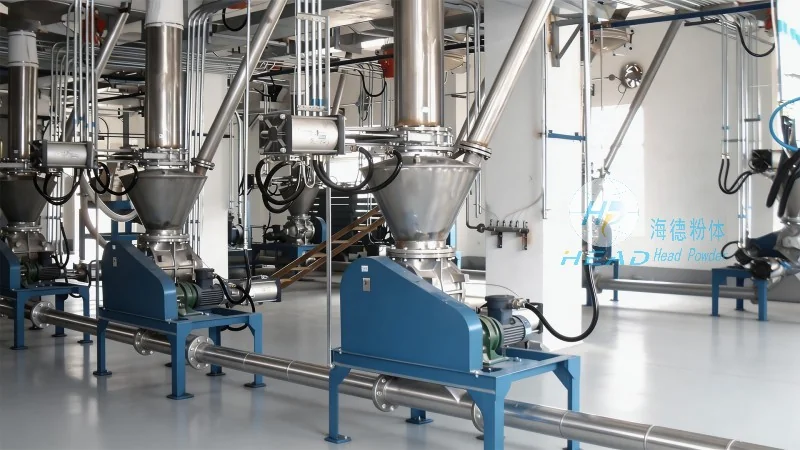
Key Features of Positive Pressure Conveying
Positive pressure conveying offers several advantages for high-calcium limestone powder transport. First, it can handle high material flow rates, making it suitable for large-scale production lines. Second, the system is less susceptible to external air infiltration, which helps maintain material quality and reduces the risk of contamination. Additionally, positive pressure systems are generally more energy-efficient for long-distance transport, as the blower can maintain consistent pressure along the pipeline. However, they may require more robust equipment and higher maintenance due to the higher pressures involved.
Negative Pressure Conveying of High-Calcium Limestone Powder
Negative pressure conveying, or vacuum conveying, works by creating a vacuum in the conveying line, drawing material from the source into the system. This method is ideal for applications where the material needs to be transported from a low-level source or where the process requires a dust-free environment. The system consists of a vacuum pump, a hopper, and a collection vessel. The vacuum pulls the material through the pipeline, often using a flexible hose or rigid pipe. For high-calcium limestone powder, negative pressure systems are commonly used in situations where the material is sensitive to pressure changes or where the source is located at a lower elevation than the destination.
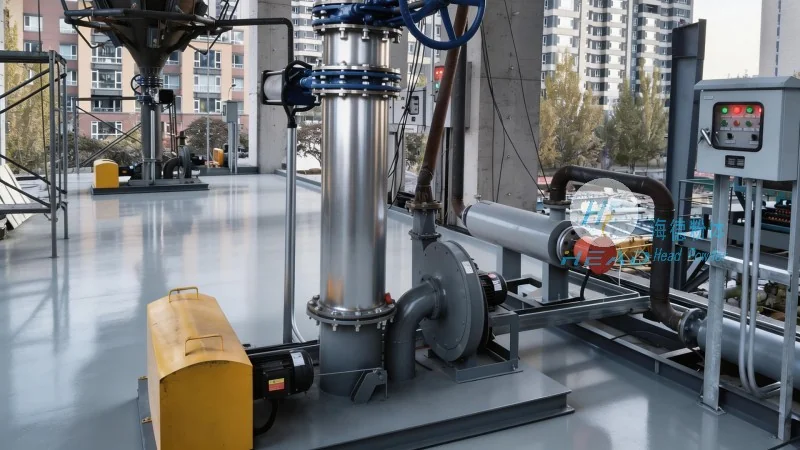
Key Features of Negative Pressure Conveying
Negative pressure conveying has its own set of benefits for high-calcium limestone powder handling. One of the main advantages is its ability to handle fine powders without the risk of blockages, as the vacuum draws material gently. This makes it suitable for materials that are prone to agglomeration or clogging. Additionally, negative pressure systems are generally quieter and less intrusive, which is beneficial in environments where noise control is a priority. However, they may have lower capacity compared to positive pressure systems and can be more complex to maintain, especially in terms of vacuum pump efficiency and air filtration.
Comparative Analysis: Positive vs. Negative Pressure Conveying
When comparing positive and negative pressure conveying for high-calcium limestone powder, several factors come into play. Capacity and distance are primary considerations. Positive pressure systems excel in high-capacity, long-distance transport, while negative pressure systems are better suited for shorter distances or low-level sources. Cost is another factor: positive pressure systems may have higher initial investment due to the need for high-pressure blowers, but they can be more cost-effective for large-scale operations. Maintenance is also a key consideration; positive pressure systems require regular checks on wear parts, while negative pressure systems need careful monitoring of vacuum pump performance and air filtration.
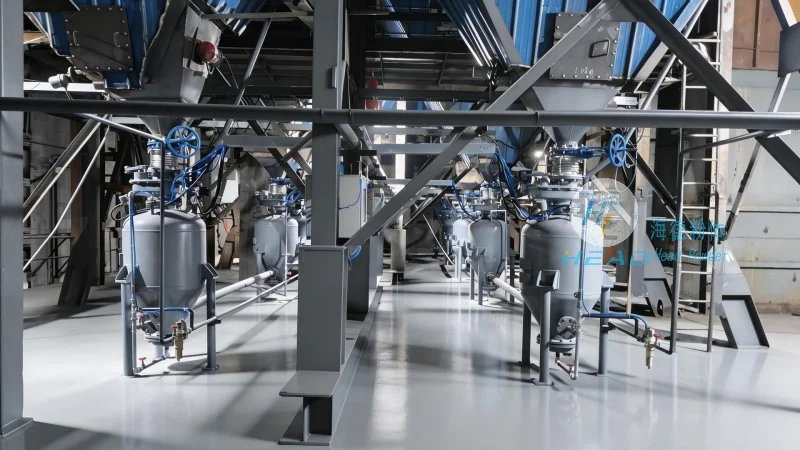
Applications and Industry Use Cases
The choice between positive and negative pressure conveying depends on the specific application. For example, in cement and lime production plants, where high volumes of high-calcium limestone powder are processed, positive pressure systems are often preferred for their ability to handle large quantities efficiently. In contrast, in pharmaceutical or food processing facilities, where material purity and low contamination are critical, negative pressure systems may be more appropriate due to their gentle handling and reduced risk of cross-contamination.
HeadPowder Engineering: Expertise in Pneumatic Conveying Solutions
Shandong HeadPowder Engineering Co., Ltd., commonly known as headpowder, specializes in the design, manufacturing, and installation of pneumatic conveying systems tailored to the needs of high-calcium limestone powder industries. With a focus on durability and efficiency, headpowder's solutions are engineered to meet the unique challenges of transporting abrasive and dust-prone materials. The company's expertise lies in customizing systems that balance capacity, cost, and maintenance requirements, ensuring optimal performance for each client's operation. Headpowder's facilities are located in Shandong, China, where the company leverages local resources and industry knowledge to deliver high-quality pneumatic conveying solutions.




