

Pneumatic Conveying in the Bulk Handling of Soybean Meal
HeadPowder Engineering Co., Ltd., a leading provider of bulk material handling solutions, specializes in the design and implementation of pneumatic conveying systems tailored for the efficient and reliable transport of soybean meal. With a focus on innovation and customer-centric engineering, the company has established itself as a trusted partner in the agricultural and food processing industries, particularly in applications requiring robust and flexible bulk material transport. The following content outlines the key aspects of pneumatic conveying technology as applied to soybean meal handling, emphasizing the technical advantages, operational benefits, and practical implementation considerations.
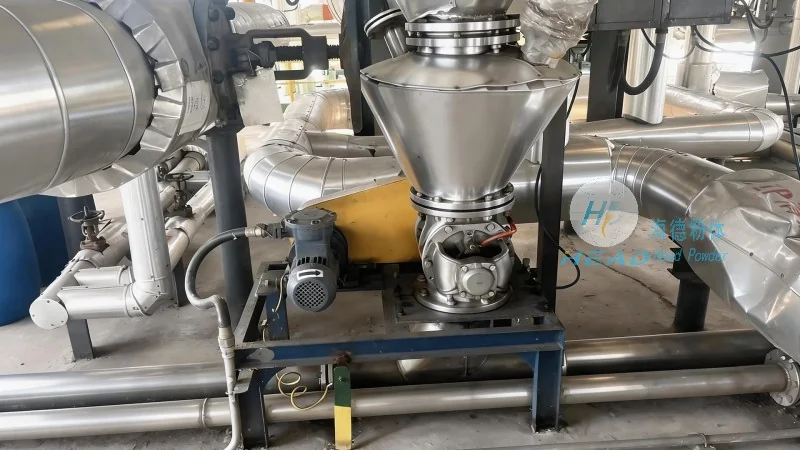
Pneumatic Conveying Systems for Soybean Meal: Technical Overview
Pneumatic conveying, also known as pneumatic transport, is a method of transporting bulk materials through a pipeline using pressurized or vacuum air. In the context of soybean meal, this technology offers a highly effective solution for moving the material from storage silos or processing units to various destinations such as packaging lines, blending facilities, or storage containers. The system typically consists of a conveyor line, a feeding device, a conveying air source (e.g., a blower or vacuum pump), and a discharge mechanism. The choice between positive pressure (blow-through) and negative pressure (suction) systems depends on factors like the distance, material characteristics, and system layout. Positive pressure systems are generally preferred for longer distances and when handling dusty or fine materials, as they provide consistent air flow and prevent material degradation. Negative pressure systems, on the other hand, are suitable for shorter distances and when the material is less abrasive, as they minimize dust generation at the source.
Key Features and Benefits of HeadPowder's Pneumatic Conveying Solutions
HeadPowder Engineering Co., Ltd. offers comprehensive pneumatic conveying solutions that are specifically engineered to meet the unique demands of soybean meal handling. The systems are designed with several key features that enhance performance and reliability. Firstly, the use of high-quality materials, such as stainless steel or corrosion-resistant alloys, ensures durability and resistance to the acidic and moisture content often present in soybean meal, preventing material contamination and equipment wear. Secondly, the integration of advanced control systems allows for precise regulation of air flow, pressure, and material feed rate, enabling consistent and controlled transport. This control is crucial for maintaining product quality, as it minimizes the risk of agglomeration, caking, or degradation of the soybean meal. Thirdly, the systems are equipped with efficient filtration and dust collection mechanisms, which not only improve air quality but also protect the environment and comply with regulatory standards. Additionally, the modular design of the conveying lines allows for easy expansion or modification, providing flexibility to adapt to changing production needs or facility expansions.
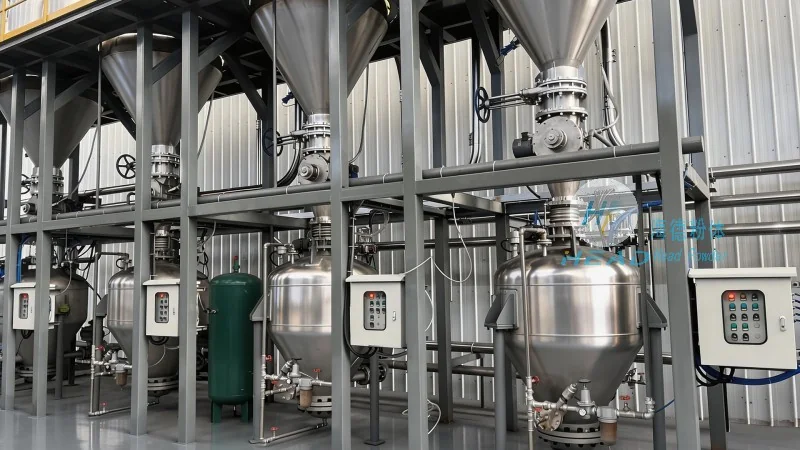
Operational Advantages in Soybean Meal Handling
The adoption of pneumatic conveying systems for soybean meal offers numerous operational advantages over traditional methods like belt conveyors or manual handling. One of the most significant benefits is the reduction in labor costs and operational time. Automated systems can handle large volumes of soybean meal with minimal human intervention, leading to increased productivity and lower labor expenses. Furthermore, the enclosed nature of pneumatic conveying minimizes dust exposure, creating a safer working environment for personnel and reducing the risk of respiratory issues associated with fine particle inhalation. This is particularly important in food processing facilities where hygiene and worker safety are paramount. Another advantage is the improved product quality, as the enclosed system prevents contamination from external sources, such as insects, moisture, or other contaminants, and reduces the risk of material degradation due to exposure to air or moisture. The consistent flow and controlled environment also help maintain the nutritional value and quality attributes of the soybean meal, which is critical for its use in animal feed and other applications.
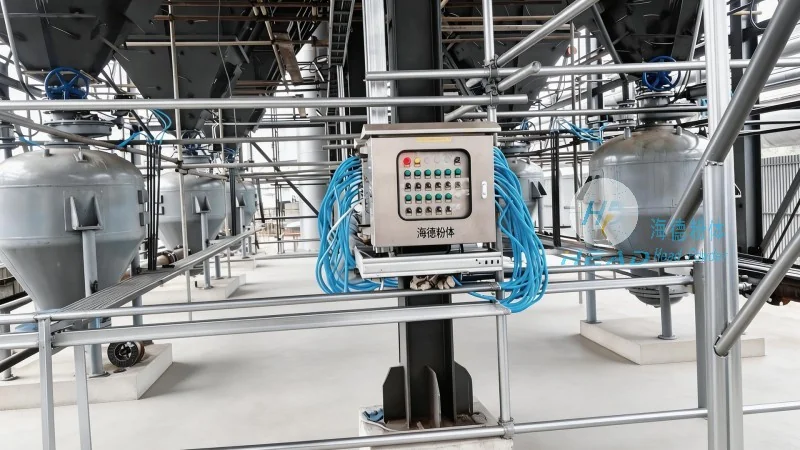
Application Scenarios and System Integration
HeadPowder Engineering's pneumatic conveying systems are versatile and can be integrated into various stages of soybean meal processing and handling. Common applications include transporting soybean meal from storage silos to processing lines, moving the material between different processing units such as grinding, drying, or blending, and delivering the final product to packaging or storage containers. The systems can be customized to fit specific facility layouts, with options for vertical, horizontal, or mixed conveying paths. For example, in a large-scale soybean processing plant, a combination of positive pressure and negative pressure conveying lines may be used to transport the meal from the storage silos to the grinding unit and then to the packaging line. The modular design allows for the integration of multiple conveying lines, ensuring that the system can handle varying production volumes and meet the demands of different processing stages. Additionally, the systems can be equipped with sensors and monitoring devices to provide real-time data on system performance, material flow, and air quality, enabling proactive maintenance and optimization of the conveying process.
Conclusion: Enhancing Efficiency and Reliability in Soybean Meal Handling
In conclusion, pneumatic conveying systems, as provided by HeadPowder Engineering Co., Ltd., represent a highly effective and reliable solution for the bulk handling of soybean meal. The technology offers significant advantages in terms of efficiency, safety, and product quality, making it an ideal choice for modern agricultural and food processing facilities. By leveraging advanced engineering and material handling expertise, HeadPowder Engineering ensures that its systems are tailored to meet the specific needs of each client, providing long-term value and operational excellence. The integration of innovative features, such as precise control systems, durable materials, and efficient filtration, ensures that the pneumatic conveying solutions are not only effective but also sustainable and compliant with industry standards. As the demand for efficient and reliable bulk material handling continues to grow, pneumatic conveying technology remains a cornerstone in the processing of soybean meal, and HeadPowder Engineering is at the forefront of providing cutting-edge solutions to meet these challenges.