

[AIRFLOW CONVEYING IN BULK TRANSPORT OF CALCINED SAND]
Calcined sand, a critical material in various industrial processes, requires efficient and reliable bulk handling solutions to ensure smooth production workflows. Airflow conveying, or pneumatic conveying, has emerged as a preferred method for transporting calcined sand due to its versatility, ability to handle diverse particle sizes, and minimal maintenance requirements. This article explores the application of airflow conveying systems in the bulk transport of calcined sand, highlighting key considerations, system components, and the benefits offered by specialized engineering solutions.
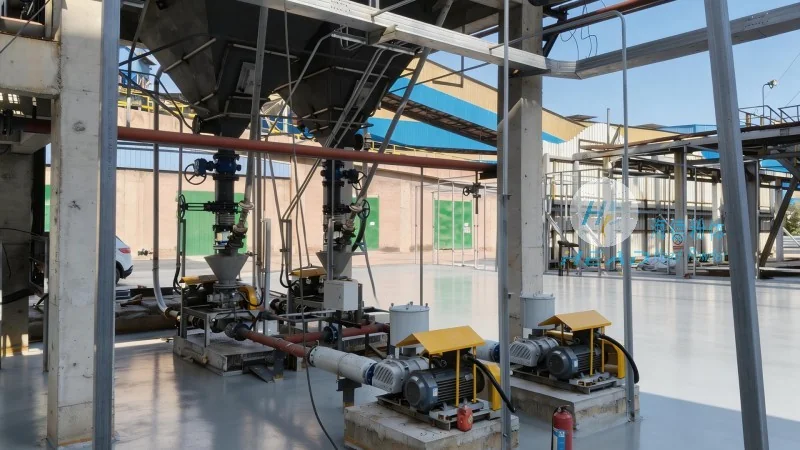
Understanding Calcined Sand and Its Handling Challenges
Calcined sand is produced by heating natural sand at high temperatures, which alters its physical and chemical properties, making it lighter and more porous. This transformation enhances its reactivity and usability in applications such as refractory production, foundry sand, and construction materials. However, the handling of calcined sand presents unique challenges, including its fine particle size, tendency to agglomerate, and potential for dust generation. Traditional conveying methods like belt conveyors or bucket elevators may struggle with these characteristics, leading to material loss, equipment wear, and operational inefficiencies. Airflow conveying addresses these challenges by using air pressure to move the material through a pipeline system, providing a controlled and dust-free transport environment.
Key Components of Airflow Conveying Systems for Calcined Sand
The effectiveness of an airflow conveying system for calcined sand depends on several critical components that work in tandem to ensure optimal performance. The primary components include the material feed system, air supply unit, conveying pipeline, and material discharge equipment. The material feed system, often a hopper or rotary valve, regulates the flow of calcined sand into the system, preventing blockages and maintaining consistent feed rates. The air supply unit, typically a blower or compressor, generates the necessary air pressure to move the material through the pipeline. The conveying pipeline, made of durable materials like stainless steel or plastic, is designed to withstand the abrasive nature of calcined sand and maintain air pressure. The material discharge equipment, such as a rotary valve or cyclone separator, collects the calcined sand at the destination and separates it from the air stream.
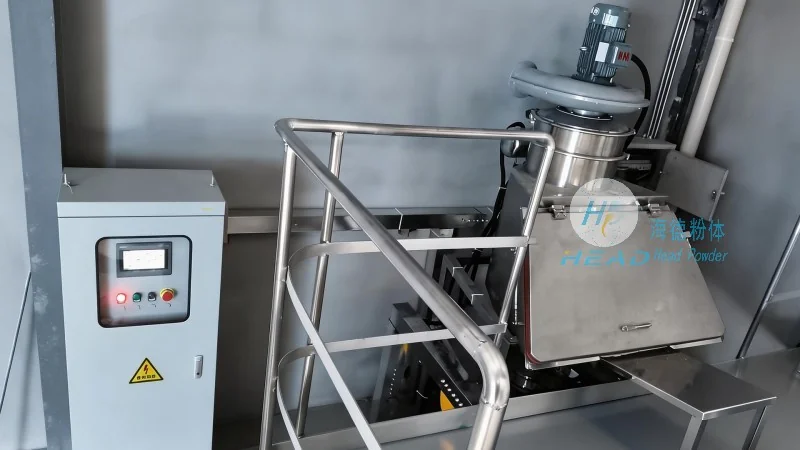
Advantages of Airflow Conveying for Calcined Sand Transport
Implementing airflow conveying systems for calcined sand offers numerous advantages that enhance operational efficiency and product quality. One of the most significant benefits is the ability to handle fine and abrasive materials without causing excessive wear on equipment. Unlike mechanical conveyors, which may suffer from frequent maintenance due to material abrasion, pneumatic systems use air as the primary transport medium, reducing wear and extending equipment lifespan. Additionally, airflow conveying provides a dust-free environment, which is crucial for maintaining product purity and ensuring compliance with environmental regulations. The system also allows for flexible routing, enabling the material to be transported over long distances or around obstacles without the need for complex infrastructure. Furthermore, the controlled air pressure and flow rates help minimize material degradation, preserving the quality of calcined sand for its intended applications.
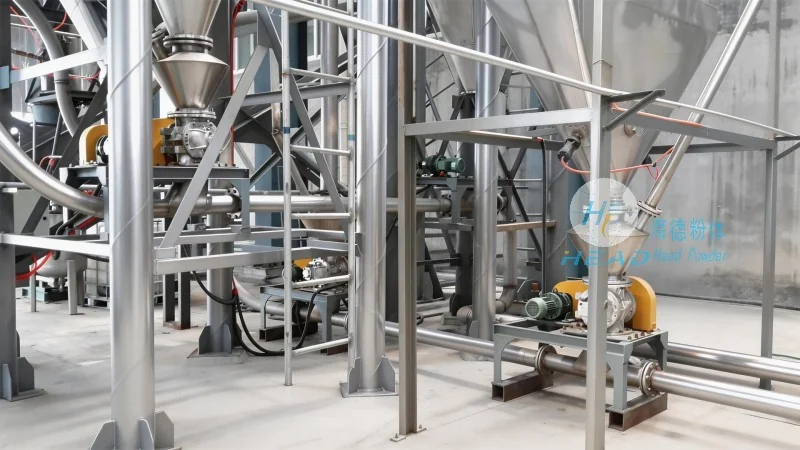
Customized Solutions by Shandong HeadPowder Engineering Co., Ltd.
Shandong HeadPowder Engineering Co., Ltd., a leading provider of bulk material handling solutions, specializes in designing and manufacturing customized airflow conveying systems tailored to the specific needs of calcined sand applications. With years of experience in the industry, the company understands the unique challenges associated with handling calcined sand and offers innovative solutions that address these challenges effectively. The company’s team of engineers utilizes advanced design software and material testing to develop systems that optimize performance, reduce energy consumption, and minimize operational costs. Customization options include varying pipeline lengths, material feed rates, and air pressure levels to suit different production scales and operational requirements. Shandong HeadPowder Engineering Co., Ltd. also provides comprehensive after-sales support, including installation, commissioning, and maintenance services, ensuring that clients receive reliable and long-lasting solutions.
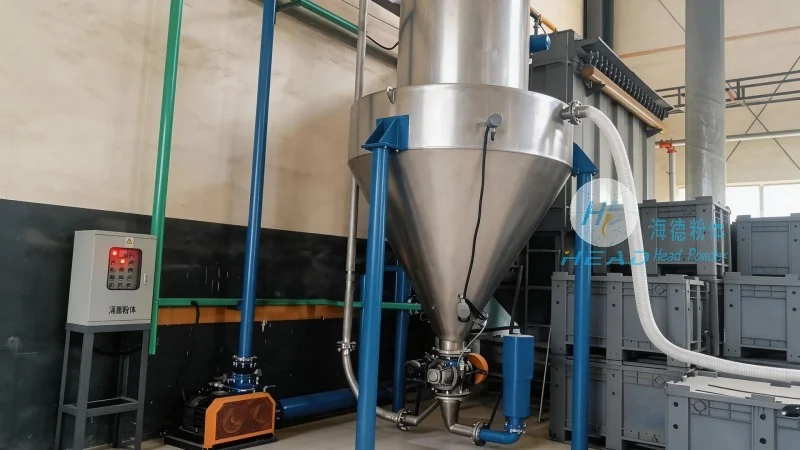
Case Studies and Real-World Applications
Several industrial facilities have successfully implemented airflow conveying systems for calcined sand, achieving significant improvements in operational efficiency and product quality. For example, a refractory production plant in China reduced material loss by 30% and decreased maintenance costs by 25% after adopting a customized airflow conveying system from Shandong HeadPowder Engineering Co., Ltd. The system was designed to handle fine calcined sand over a distance of 200 meters, with a consistent feed rate of 10 tons per hour. Another case involved a foundry that improved product purity by eliminating dust contamination, leading to higher quality castings. These success stories highlight the effectiveness of airflow conveying systems in enhancing the performance of calcined sand handling processes.
Conclusion and Future Outlook
Airflow conveying systems represent a highly effective solution for the bulk transport of calcined sand, offering numerous benefits that address the unique challenges of handling this material. By leveraging advanced engineering and customized solutions, companies like Shandong HeadPowder Engineering Co., Ltd. are enabling industrial facilities to achieve higher efficiency, product quality, and operational reliability. As the demand for calcined sand continues to grow in various industries, the adoption of specialized airflow conveying systems will become increasingly important. The future of calcined sand handling lies in the integration of advanced technologies and tailored engineering solutions, ensuring that material transport remains efficient, safe, and environmentally friendly.