When it comes to transporting quicklime powder, industrial facilities often face the challenge of selecting the most efficient and reliable method. Two primary approaches dominate the market: positive pressure conveying and negative pressure conveying. Both methods utilize air to move material, but they operate on fundamentally different principles, each with its own set of advantages and limitations. This article provides a detailed comparison of these two pneumatic conveying systems, focusing on their applications, operational characteristics, and suitability for quicklime powder handling.
Understanding Positive Pressure Conveying
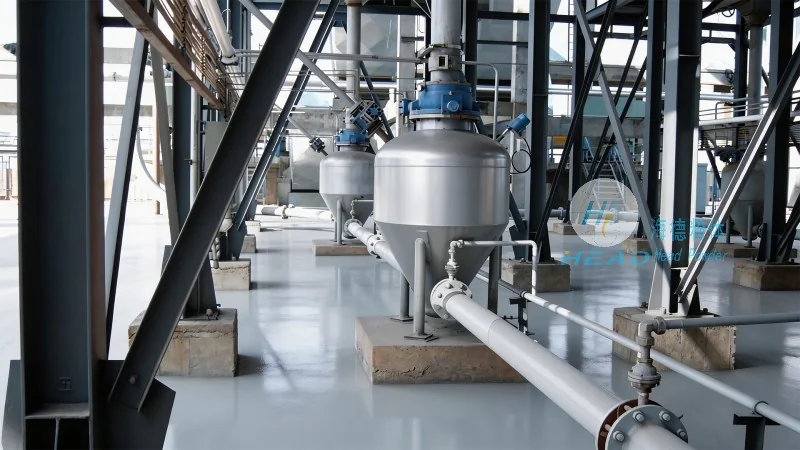
Positive pressure conveying, also known as pressure pneumatic conveying, operates by blowing air or a carrier gas into the material to be transported. The system generates a positive pressure within the conveying line, pushing the material from the source to the destination. This method is particularly effective for applications requiring high conveying distances or when the material needs to be delivered to multiple points. The pressure system ensures that the material is continuously propelled, reducing the risk of clogging and ensuring consistent flow rates. For quicklime powder, which can be abrasive and prone to dust generation, positive pressure systems often incorporate specialized equipment such as rotary valves and pressure vessels to maintain material integrity and prevent degradation.
Key Features of Positive Pressure Conveying
Positive pressure conveying systems are characterized by their ability to handle high volumes of material over long distances. They are commonly used in industries where the material must be transported from a central storage to various processing units or packaging stations. The system's design includes a blower or compressor that supplies the necessary pressure, and the conveying line is typically made of durable materials like stainless steel to withstand the abrasive nature of quicklime powder. Additionally, positive pressure systems often feature filtration and dust collection mechanisms to comply with environmental regulations and maintain workplace safety. The continuous flow nature of this method ensures that the material is delivered in a controlled manner, minimizing downtime and improving overall operational efficiency.
Exploring Negative Pressure Conveying
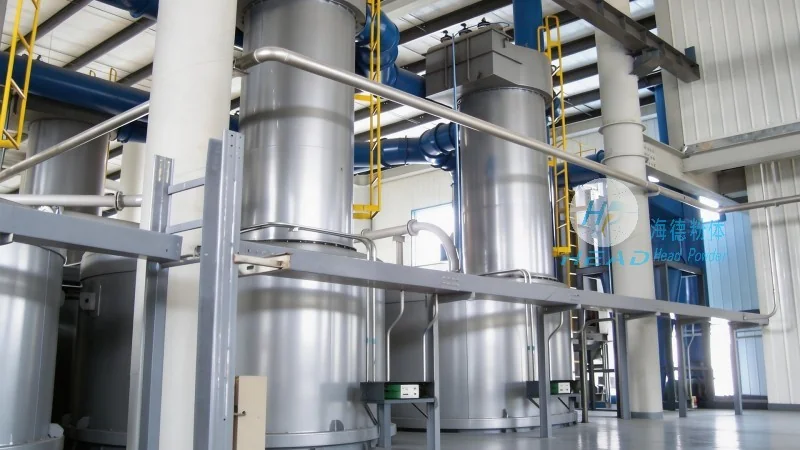
Negative pressure conveying, or vacuum pneumatic conveying, works by creating a vacuum in the conveying line, which draws the material from the source to the destination. This method is ideal for applications where the material needs to be collected from multiple points or where the destination is at a lower elevation than the source. Unlike positive pressure systems, negative pressure conveying does not require high-pressure equipment, making it more suitable for shorter distances and less abrasive materials. However, it is more susceptible to clogging and requires careful maintenance to prevent material buildup in the line.
Advantages and Limitations of Negative Pressure Conveying
One of the primary advantages of negative pressure conveying is its ability to handle fine powders without causing excessive pressure drops or material degradation. The vacuum system allows for gentle material movement, which is beneficial for quicklime powder that may be sensitive to high pressure or impact. This method is also more energy-efficient for short distances, as it does not require the high power consumption of a blower or compressor. However, negative pressure systems have limitations when it comes to conveying long distances or handling large volumes of material. The vacuum created may not be sufficient to maintain consistent flow rates over extended periods, leading to potential blockages and reduced efficiency. Additionally, the system requires regular cleaning and maintenance to prevent dust accumulation and ensure proper operation.
Comparative Analysis: Positive vs. Negative Pressure Conveying
When comparing positive and negative pressure conveying for quicklime powder, several factors must be considered. The choice between the two methods depends on the specific requirements of the application, including the distance to be covered, the volume of material to be transported, and the nature of the quicklime powder (e.g., fineness, moisture content, and abrasiveness). Positive pressure systems are generally preferred for long-distance or high-volume applications, as they offer greater control over material flow and are less prone to clogging. Negative pressure systems, on the other hand, are more suitable for short-distance or low-volume applications where the material is fine and less abrasive.
Factors Influencing the Choice of Conveying Method
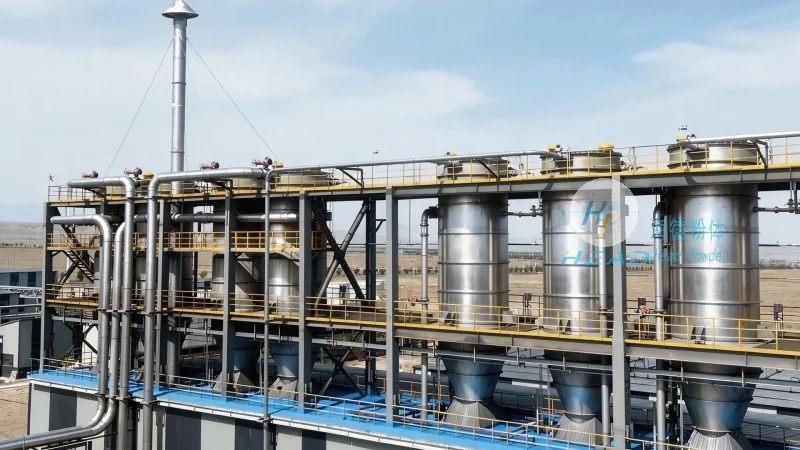
Several key factors influence the selection of a pneumatic conveying system for quicklime powder. The first is the distance between the source and destination. For distances exceeding 100 meters, positive pressure conveying is often the better choice due to its ability to maintain consistent pressure and flow. For shorter distances, negative pressure conveying may be sufficient and more cost-effective. The second factor is the volume of material to be transported. Positive pressure systems are better suited for high-volume applications, as they can handle larger quantities without compromising flow rates. Negative pressure systems are more appropriate for low-volume or intermittent conveying needs. The third factor is the material properties of the quicklime powder. If the powder is fine and prone to dust generation, negative pressure systems may be preferred to minimize material loss and maintain air quality. Conversely, if the powder is coarse and abrasive, positive pressure systems with robust equipment are recommended to prevent wear and tear.
Operational Considerations and Maintenance
Both positive and negative pressure conveying systems require regular maintenance to ensure optimal performance. Positive pressure systems need to have their blower or compressor checked for efficiency, as well as the conveying line and valves inspected for any signs of wear or clogging. The filtration system must also be maintained to prevent dust accumulation and ensure clean air output. Negative pressure systems, while generally requiring less power, still need to have the vacuum pump and filtration equipment serviced regularly. The choice of maintenance schedule depends on the frequency of use and the material being conveyed. For quicklime powder, which can be corrosive, the equipment should be made of stainless steel or other corrosion-resistant materials to extend its lifespan.
Conclusion: Selecting the Right Conveying System
In conclusion, both positive and negative pressure conveying methods offer viable solutions for transporting quicklime powder, but the choice between them depends on the specific operational requirements of the facility. Positive pressure conveying is ideal for long-distance, high-volume applications where consistent flow and minimal clogging are essential. Negative pressure conveying is more suitable for short-distance, low-volume applications where the material is fine and less abrasive. By understanding the advantages and limitations of each method, industrial facilities can select the most appropriate pneumatic conveying system to enhance their material handling efficiency and ensure compliance with environmental regulations. The key is to balance the operational needs with the technical capabilities of the system to achieve optimal performance and cost-effectiveness.




