Polystyrene, a versatile thermoplastic widely utilized in manufacturing and construction, often requires efficient material handling solutions for industrial applications. Air-solid flow structures, specifically pneumatic conveying systems, represent a critical technology for transporting polystyrene particles from source to destination. Understanding the fundamental structures of these systems is essential for optimizing operational efficiency, minimizing material loss, and ensuring compliance with industrial standards.
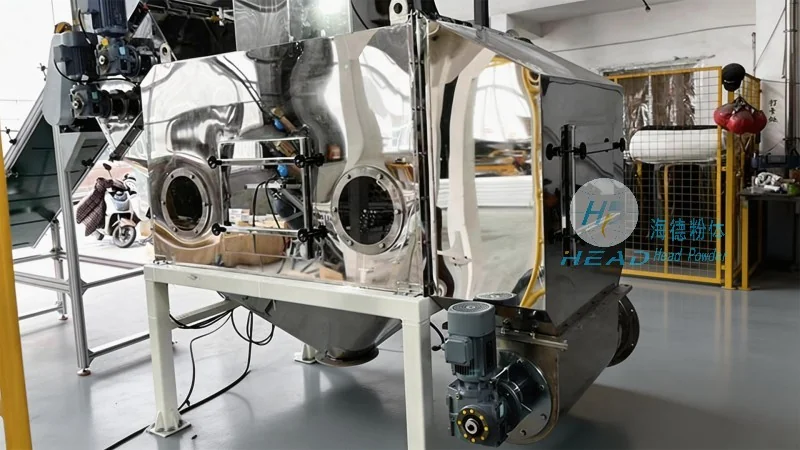
Core Components and Structural Design of Polystyrene Air-Driven Conveying
The air-solid conveying structures for polystyrene typically consist of several interrelated components engineered to handle the material's unique properties, such as low density, potential static charge, and abrasive characteristics. These structures are designed to maintain consistent flow rates, prevent material degradation, and ensure safe, reliable operation within industrial environments. Key design considerations include material compatibility, pressure management, and energy efficiency to achieve optimal performance.
1. Inlet and Feeding Mechanisms
The inlet and feeding section is the initial interface where polystyrene material is introduced into the conveying system. Proper design of this component is crucial to prevent material bridging, blockages, or uneven flow, which can disrupt the entire process. Systems often incorporate hoppers with appropriate incline angles and anti-static treatments to facilitate smooth material flow. Feeding mechanisms such as rotary valves or screw feeders are commonly used to provide a controlled, steady supply of polystyrene to the conveying line, ensuring consistent particle distribution and preventing overloading.
2. Conveying Pipe and Tubing
The conveying pipe or tubing forms the central pathway for transporting polystyrene particles. The selection of pipe material and diameter is critical, as it directly impacts flow velocity, pressure drop, and overall system efficiency. For polystyrene, materials like stainless steel or specialized plastic tubing are preferred to withstand abrasive particle action and maintain structural integrity. The pipe layout, including bends, straight sections, and transitions, is meticulously designed to minimize energy loss and prevent particle deposition or system backpressure. Proper insulation and sealing are also incorporated to maintain consistent air pressure and prevent leaks.
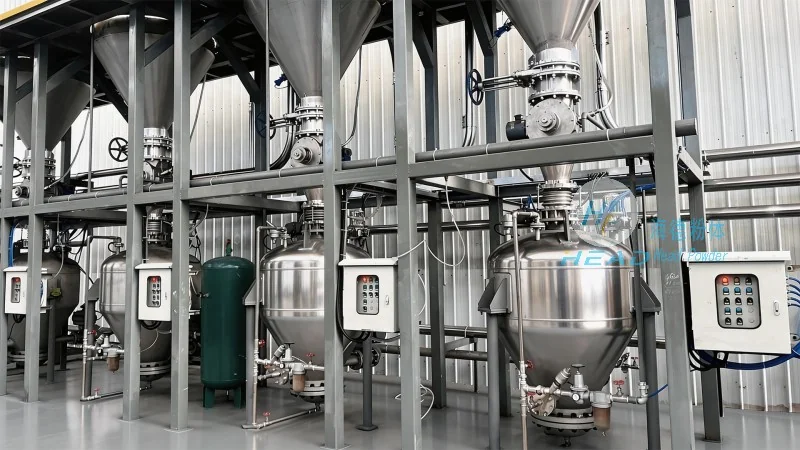
3. Air Supply and Blower Systems
Air supply and blower systems generate the necessary airflow to move polystyrene particles through the conveying pipe. The blower's capacity, pressure, and type are tailored to the specific characteristics of the polystyrene, including particle size, density, and moisture content. Efficient air management is essential to maintain consistent material suspension and avoid excessive pressure variations. Advanced blower designs, such as centrifugal or positive displacement types, are often employed to ensure stable, reliable air delivery with minimal energy consumption. Variable frequency drives (VFDs) may also be integrated to adjust airflow dynamically based on material load and system requirements.
4. Dust Collection and Filtration
Due to the fine nature of polystyrene particles, effective dust collection and filtration are integral to air-solid conveying systems. These components capture and remove airborne particles, preventing environmental contamination, equipment wear, and potential fire hazards. High-efficiency particulate air (HEPA) filters or baghouse systems are commonly used to ensure compliance with air quality regulations and maintain operational safety. The filtration system is typically located at the discharge end or near the air intake, depending on system design, and is designed to handle the specific particulate load of polystyrene while minimizing pressure drop.
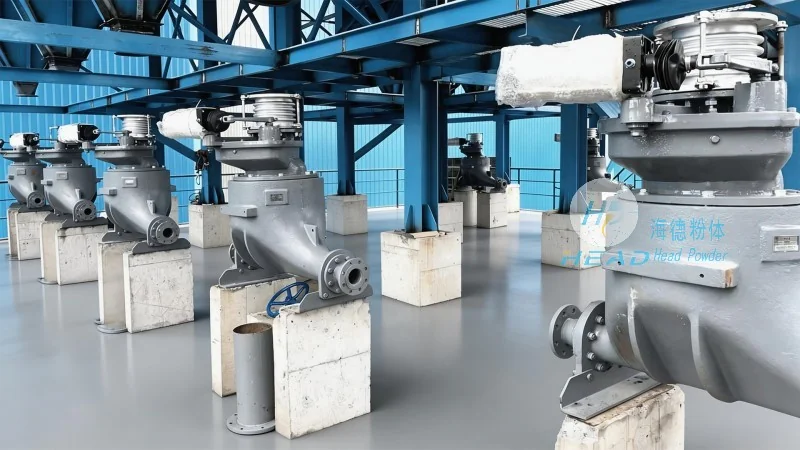
5. Discharge and Material Handling
The discharge section of the polystyrene air-solid conveying system is responsible for delivering the material to its final destination. This may involve a hopper, silo, or direct transfer to a processing unit. Proper design of the discharge mechanism, including outlet size, flow control devices, and anti-static features, ensures smooth material release without causing spillage, blockages, or material degradation. The discharge system is often integrated with level sensors or flow meters to monitor material inventory and adjust conveying rates as needed. Additionally, anti-corrosion and wear-resistant coatings may be applied to components to extend system lifespan and maintain performance.
Applications and Operational Benefits
Polystyrene air-solid conveying structures are widely employed in industries such as packaging, construction, automotive manufacturing, and plastics processing. The primary benefits of these systems include enhanced material handling efficiency, reduced labor costs, and improved safety compared to traditional methods like manual handling or belt conveyors. By leveraging air-driven technology, industries can achieve faster throughput, lower energy consumption, and better control over the conveying process. Additionally, these systems help minimize material waste and environmental impact by reducing dust emissions and improving material recovery rates.
Conclusion
Understanding the main structures of polystyrene air-solid conveying systems is fundamental to optimizing industrial material handling operations. The combination of inlet feeding, conveying pipes, air supply, dust collection, and discharge components works in synergy to ensure efficient and reliable transport of polystyrene. With advancements in system design, materials, and control technologies, these structures continue to evolve, providing industries with more effective solutions for their material handling needs. For businesses seeking to enhance their polystyrene conveying processes, partnering with specialized engineering companies like Shandong HeadPowder Engineering Co., Ltd. can provide tailored solutions to meet specific operational requirements, ensuring optimal performance and long-term reliability.




