Thermoplastic polyurethane (TPU) pneumatic conveying systems are engineered to efficiently transport bulk materials in industrial settings. The core components of such systems are designed to ensure optimal performance, durability, and reliability. This article explores the primary structural elements that constitute a typical thermoplastic polyurethane pneumatic conveying setup, highlighting their functions and significance in material handling operations.
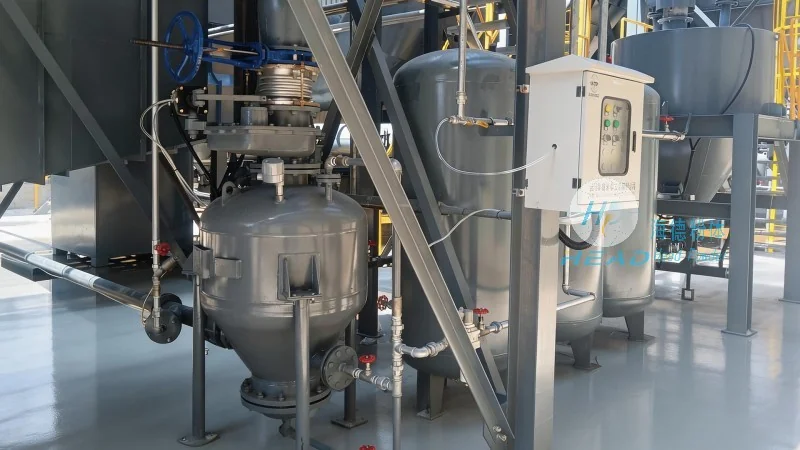
Key Structural Components of Thermoplastic Polyurethane Pneumatic Conveying Systems
The main structures of a thermoplastic polyurethane pneumatic conveying system typically include several critical components that work in concert to facilitate material transport. These components are meticulously designed to withstand the mechanical stresses and chemical interactions associated with the conveyed materials. The primary structures are as follows:
1. Conveying Ducts and Tubing
The conveying ducts and tubing are the backbone of the pneumatic conveying system. Constructed from thermoplastic polyurethane, these components provide excellent flexibility, resistance to abrasion, and chemical compatibility with a wide range of bulk materials. The ducts are typically manufactured in various diameters and lengths to suit different application requirements. They are designed to maintain a consistent air flow and material velocity, ensuring efficient transport without excessive pressure drops. The use of TPU in duct fabrication also allows for easy installation and maintenance, as the material can be bent and shaped to fit complex layouts without compromising structural integrity.
2. Air Supply and Control Systems
Air supply and control systems are essential for regulating the airflow within the conveying ducts. These systems typically include air compressors, filters, and pressure regulators. The air compressor generates the necessary pressure to move the material through the ducts, while the filters ensure that the air is clean and free from contaminants that could damage the TPU components or affect material quality. Pressure regulators maintain a stable pressure level, preventing fluctuations that might lead to system inefficiencies or material blockages. The control systems may also include valves and sensors to monitor and adjust the air flow in real-time, optimizing the conveying process based on the material type and system load.
3. Material Feeders and Hoppers
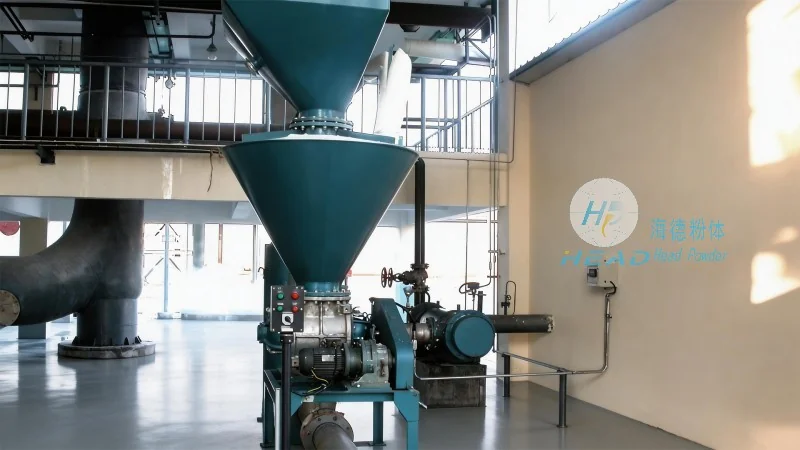
Material feeders and hoppers are responsible for introducing the bulk material into the conveying system. The hoppers are designed to store and feed the material at a controlled rate, preventing overloading or clogging of the system. They are typically made from durable materials that can withstand the weight and abrasion of the stored material. The feeders, often equipped with screws or rotary valves, ensure a consistent and controlled flow of material into the conveying ducts. This component is crucial for maintaining the efficiency of the system, as improper feeding can lead to uneven material distribution or increased wear on the TPU components.
4. Separation and Collection Equipment
Separation and collection equipment are used to separate the conveyed material from the air stream and collect it in a designated container. This typically includes cyclone separators, filters, and collection hoppers. The cyclone separator uses centrifugal force to separate the material from the air, directing the material to the collection hopper while allowing the air to exit through a vent. Filters may be used to capture fine particles or dust, ensuring that the air is clean before it is released into the environment. The collection hoppers are designed to hold the processed material and may include discharge mechanisms for easy removal. These components are critical for maintaining the cleanliness of the system and ensuring that the material is collected efficiently without loss or contamination.
5. Valves and Control Devices
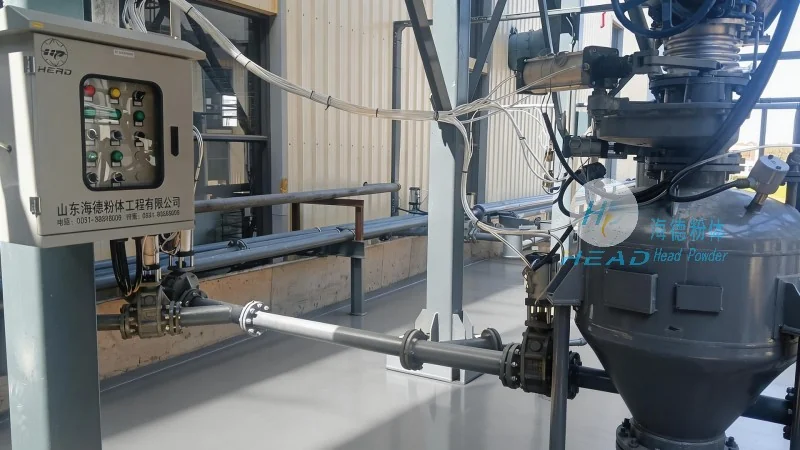
Valves and control devices are used to regulate the flow of material and air within the system. These include check valves, flow control valves, and shut-off valves. Check valves prevent backflow of material or air, ensuring that the system operates in the intended direction. Flow control valves adjust the speed of material transport, allowing for precise control over the conveying rate. Shut-off valves are used to stop the flow when maintenance or cleaning is required, preventing material spillage or system damage. The use of TPU-compatible valves ensures that the components can withstand the abrasive nature of the conveyed materials and maintain their functionality over time.
6. Safety and Monitoring Systems
Safety and monitoring systems are integral to ensuring the safe and reliable operation of the thermoplastic polyurethane pneumatic conveying system. These systems may include pressure relief valves, temperature sensors, and alarms. Pressure relief valves are installed to prevent overpressure situations that could damage the system or pose a safety risk. Temperature sensors monitor the temperature of the air and material within the system, alerting operators to any abnormal conditions that could affect the performance or longevity of the TPU components. Alarms and indicators provide real-time feedback on system status, allowing for quick response to potential issues. These safety features are essential for maintaining compliance with industrial safety standards and ensuring the longevity of the system.
Shandong HeadPowder Engineering Co., Ltd., a leading manufacturer in the field, specializes in the design and production of thermoplastic polyurethane pneumatic conveying systems. With a focus on quality and innovation, the company provides comprehensive solutions tailored to the specific needs of industrial applications. The company's facilities are located in Shandong, China, where advanced manufacturing processes and rigorous quality control measures are employed to ensure that each system meets the highest standards of performance and reliability. By leveraging the unique properties of thermoplastic polyurethane, HeadPowder Engineering delivers efficient and durable pneumatic conveying solutions that enhance operational efficiency and reduce maintenance costs for its clients.




