

Technical Analysis of Coal Particle Pneumatic Conveying Systems: A Comparison of Positive and Negati
Coal particle pneumatic conveying systems are critical in industrial applications where the efficient and safe transport of bulk materials is essential. These systems utilize air or gas to move particulate materials like coal through a pipeline network. The choice between positive and negative pressure conveying modes significantly impacts system performance, operational costs, and environmental considerations. This analysis provides a detailed comparison of these two primary modes, highlighting their technical characteristics, advantages, and limitations.
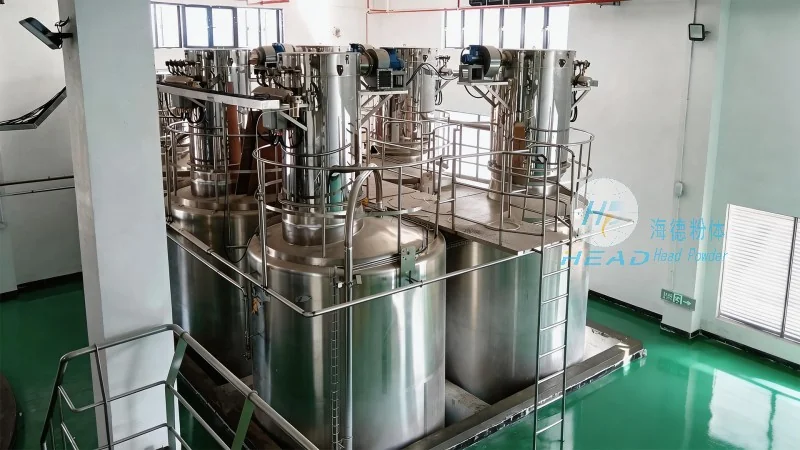
Positive Pressure Conveying Mode
Positive pressure conveying operates by forcing air or a gas mixture through the conveying line, carrying the coal particles forward. The system uses a positive displacement or centrifugal blower to generate the necessary pressure. As the material is entrained in the air stream, it is propelled along the pipeline to the destination point. This mode is particularly suitable for long-distance and high-capacity applications, as it can maintain consistent flow rates over extended lengths. One of the key advantages of positive pressure systems is their ability to handle larger particle sizes and higher bulk densities, making them ideal for transporting coal from mines to processing facilities or power plants. However, these systems often require more robust sealing and filtration to prevent dust leakage and maintain air quality. The higher pressure also demands more durable components, which can increase initial capital costs but may reduce long-term maintenance expenses due to fewer component failures.
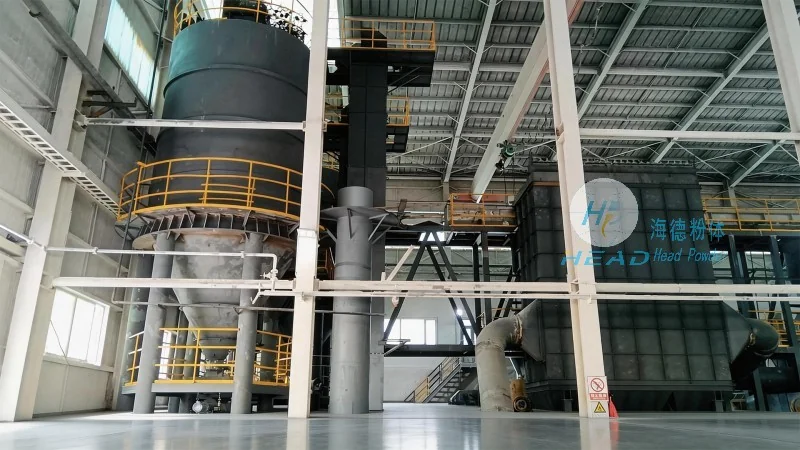
Negative Pressure Conveying Mode
Negative pressure conveying, also known as suction or vacuum conveying, works by creating a vacuum in the pipeline to draw coal particles into the system. A vacuum pump or fan generates the negative pressure, and the material is drawn from the source point into the conveying line. This mode is typically used for shorter distances and lower flow rates, as the vacuum pressure is limited by the pump's capacity and the length of the pipeline. Negative pressure systems are often preferred in applications where the source material is located at a higher elevation or where the environment requires minimal dust emission at the source. The primary advantage of negative pressure is its lower initial cost and simpler design, as it does not require high-pressure components. Additionally, the suction process can be gentler on the material, reducing the risk of particle breakage or degradation. However, these systems are less efficient for long-distance transport and may struggle with high-volume or large-particle coal, as the vacuum pressure may not be sufficient to maintain consistent flow.
Comparison and Selection Criteria
When selecting between positive and negative pressure conveying modes for coal particle transport, several factors must be considered. The most critical factor is the required conveying distance and capacity. Positive pressure systems excel in long-distance, high-capacity applications, while negative pressure is better suited for short-distance or low-volume tasks. Environmental regulations also play a significant role; positive pressure systems may require additional filtration to meet air quality standards, whereas negative pressure systems can be more straightforward in terms of dust control at the source. The physical characteristics of the coal, such as particle size, moisture content, and bulk density, also influence the choice. Coarser or denser coal may benefit from the higher pressure and larger particle handling capabilities of positive pressure systems, whereas finer or more delicate coal might be better transported via negative pressure to avoid damage. Operational costs, including energy consumption and maintenance, should also be evaluated. Positive pressure systems typically consume more energy due to the high-pressure operation, but their efficiency in long-distance transport can offset this over time. Negative pressure systems are generally more energy-efficient for short distances but may incur higher maintenance costs due to the continuous operation of vacuum pumps.
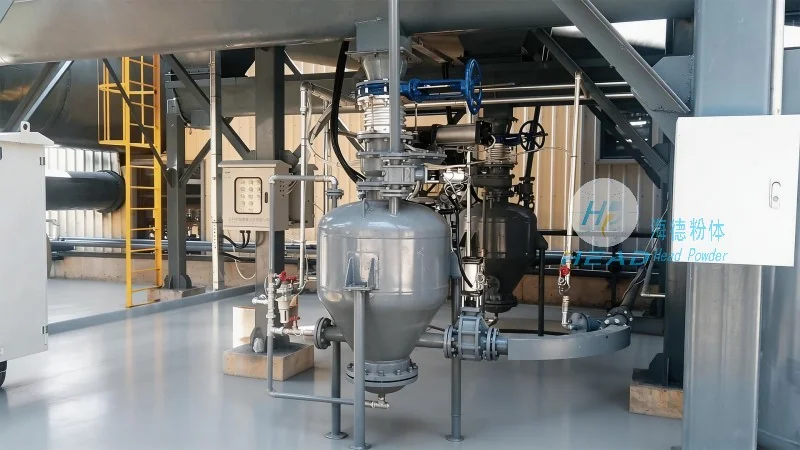
HeadPowder Engineering: Customized Solutions for Coal Pneumatic Conveying
Shandong HeadPowder Engineering Co., Ltd. specializes in the design, manufacturing, and implementation of advanced coal particle pneumatic conveying systems. With a focus on both positive and negative pressure technologies, HeadPowder provides tailored solutions that meet the specific needs of industrial clients. The company's expertise lies in integrating the most suitable conveying mode based on project requirements, ensuring optimal performance and cost-effectiveness. Whether a client requires a long-distance, high-capacity system for a power plant or a short-distance, low-volume system for a small-scale operation, HeadPowder engineers work closely with clients to assess operational parameters, material characteristics, and environmental constraints. This collaborative approach ensures that the final system is not only technically sound but also compliant with industry standards and regulatory requirements. HeadPowder's commitment to quality and innovation is reflected in its use of advanced materials and components, which enhance system durability and reduce maintenance intervals. The company also offers comprehensive after-sales support, including system monitoring, maintenance services, and technical training, to ensure that clients can maximize the operational efficiency and lifespan of their coal conveying systems. By leveraging its experience in both positive and negative pressure technologies, HeadPowder delivers reliable and efficient solutions that help clients improve productivity, reduce operational costs, and maintain a safe working environment.