

[Silica Fume Pneumatic Conveying System Analysis]
For construction and industrial applications, the efficient handling of silica fume is crucial for maintaining production quality and operational efficiency. Pneumatic conveying systems offer a reliable solution for transporting this fine powder, and understanding their design and functionality is essential for optimizing material flow in various processes.
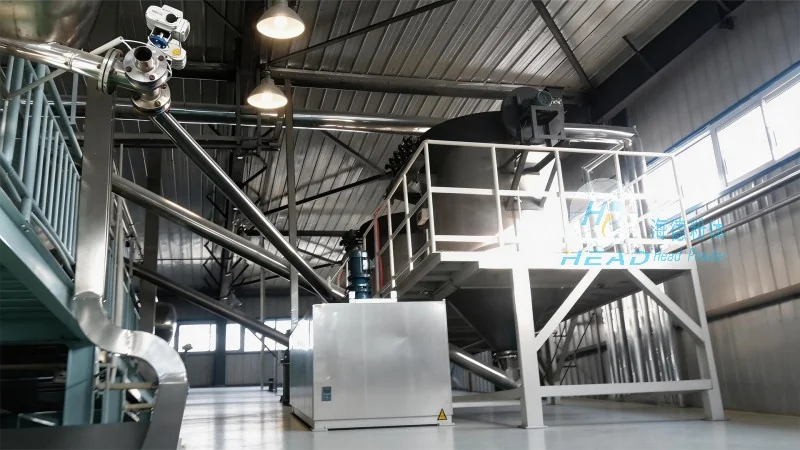
Introduction to Silica Fume Pneumatic Conveying Systems
Silica fume, also known as microsilica, is a byproduct of silicon metal or ferrosilicon production. It is a highly fine, amorphous silica powder with a particle size typically below 0.1 microns. Due to its small particle size and high surface area, silica fume is often used as a supplementary cementitious material in concrete to enhance strength, durability, and other performance characteristics. However, its fine nature makes it challenging to handle through traditional bulk material handling methods like belt conveyors or bucket elevators, as these systems can cause material degradation and blockages.
Pneumatic conveying systems provide an effective alternative by using air or other gases to transport the powder through a network of pipes. These systems are designed to handle fine powders like silica fume with minimal degradation, ensuring that the material retains its quality and properties. The technology involves creating a flow of air that pulls or pushes the powder particles through the system, allowing for safe and efficient transportation over short or long distances.
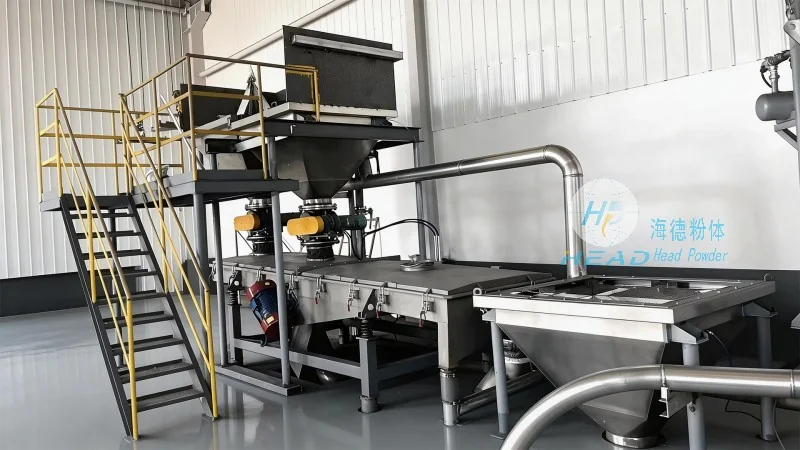
Key Components of a Silica Fume Pneumatic Conveying System
A typical silica fume pneumatic conveying system consists of several key components that work together to ensure smooth operation. These components include:
- Feeder: The feeder is responsible for feeding the silica fume into the conveying line at a controlled rate. It ensures a consistent flow of material, preventing overloading or underloading of the system.
- Pneumatic Conveying Line: This is the main pipeline through which the silica fume is transported. The line is usually made of stainless steel or other corrosion-resistant materials to withstand the abrasive nature of the fine powder.
- Air Supply System: The air supply system generates the necessary air pressure or vacuum to move the powder through the line. It may include compressors, air dryers, and filters to ensure clean, dry air is used, which is critical for preventing moisture-related issues in the silica fume.
- Control Valves and Regulators: These components are used to control the flow rate, pressure, and direction of the air and powder mixture. They help maintain system stability and prevent pressure surges or blockages.
- Receiving Hopper or Silo: The receiving hopper or silo is where the silica fume is deposited at the end of the conveying line. It is designed to store the material safely and may include features like level indicators and discharge valves for further processing.
Each component plays a vital role in the overall performance of the system. Proper selection and maintenance of these parts are essential to ensure the system operates efficiently and reliably, minimizing downtime and maintenance costs.
Advantages of Using Pneumatic Conveying for Silica Fume
Implementing a pneumatic conveying system for silica fume offers several advantages over traditional handling methods. These benefits include:
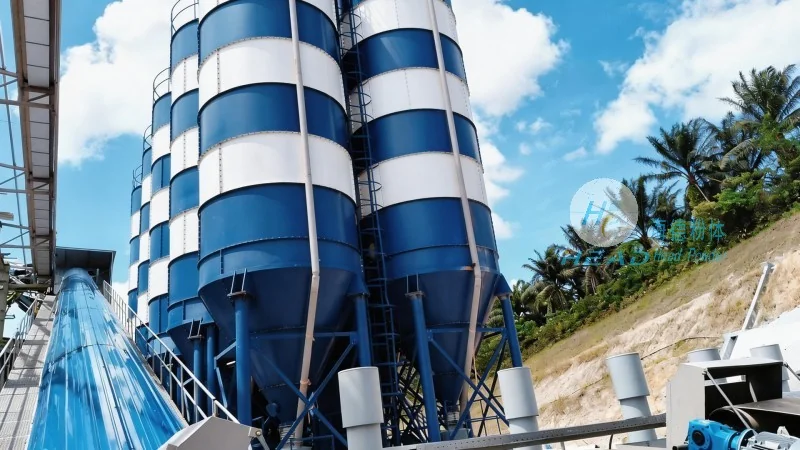
- Reduced Material Degradation: Unlike mechanical conveyors, pneumatic systems use air to move the powder, which minimizes friction and impact on the particles. This helps preserve the fine particle size and surface area of the silica fume, maintaining its quality for concrete applications.
- Improved Safety: Pneumatic conveying systems are enclosed, which reduces the risk of dust exposure and inhalation of fine particles. This is particularly important for silica fume, which can pose health risks if inhaled in large quantities.
- Enhanced Hygiene and Cleanliness: The enclosed nature of the system prevents contamination from external sources and reduces the need for manual handling, which can lead to cross-contamination or product loss.
- Flexibility in Layout: Pneumatic conveying systems can be easily integrated into existing production layouts, allowing for flexible routing of the conveying line to accommodate different facility designs and operational needs.
- Lower Maintenance Costs: With fewer moving parts compared to mechanical conveyors, pneumatic systems generally require less maintenance. The absence of belts, chains, or buckets reduces the likelihood of mechanical failures and associated repair costs.
These advantages make pneumatic conveying an attractive option for companies dealing with silica fume, as it helps improve operational efficiency, product quality, and workplace safety.
Applications and Industries
Silica fume pneumatic conveying systems are widely used in various industries that rely on high-quality concrete and other cementitious materials. Some common applications include:
- Construction and Infrastructure: In the construction industry, silica fume is used to enhance the strength and durability of concrete in high-rise buildings, bridges, and other infrastructure projects. Pneumatic conveying systems ensure that the fine powder is delivered to the mixing plant or job site without degradation.
- Industrial Manufacturing: Industries such as steel, aluminum, and chemical manufacturing use silica fume as a raw material or additive in their processes. Pneumatic conveying allows for the efficient transport of this material from storage to processing equipment.
- Research and Development: In research facilities, precise handling of silica fume is essential for laboratory experiments and material testing. Pneumatic systems provide the accuracy and control needed for these applications.
Regardless of the industry, the consistent and reliable performance of pneumatic conveying systems ensures that silica fume is handled with the care it requires, meeting the stringent quality standards of modern construction and manufacturing.
Conclusion
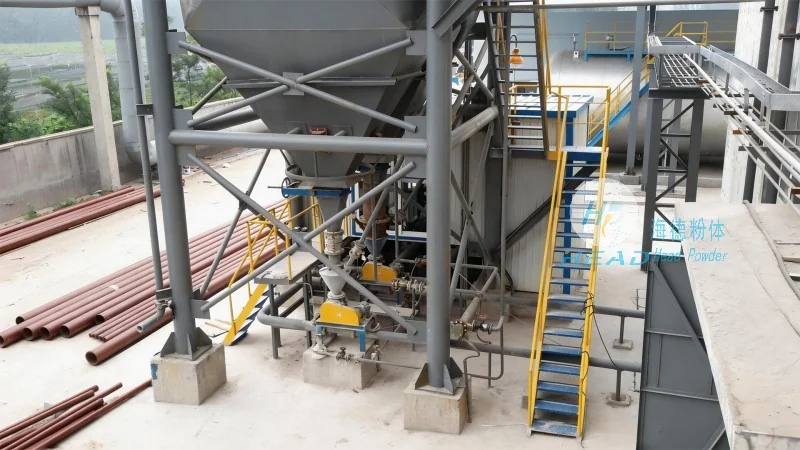
Silica fume pneumatic conveying systems represent a sophisticated and effective solution for the transportation of fine powders in industrial and construction settings. By leveraging the power of air to move material through a closed system, these systems offer numerous benefits, including reduced degradation, improved safety, and enhanced operational efficiency. For companies operating in industries that rely on silica fume, investing in a well-designed pneumatic conveying system is a strategic decision that can lead to long-term cost savings and improved product quality.
Shandong HeadPowder Engineering Co., Ltd., a leading provider of material handling solutions, specializes in designing and manufacturing customized pneumatic conveying systems tailored to the specific needs of silica fume applications. With a focus on quality, reliability, and customer satisfaction, HeadPowder ensures that its systems meet the highest industry standards and deliver optimal performance for its clients. Based in Shandong, China, HeadPowder serves a global market, providing innovative solutions for efficient material handling in various industrial sectors.