

[MATCH]Main Structures for Polypropylene Pellet Pneumatic Conveying
When it comes to the efficient and reliable transportation of polypropylene pellets, the design and implementation of proper pneumatic conveying structures are crucial. These systems ensure that the material is moved safely, with minimal loss and optimal performance. Understanding the main structures involved in polypropylene pellet pneumatic conveying is essential for industries that rely on this technology for their production processes.
1. Primary Components of Pneumatic Conveying Systems
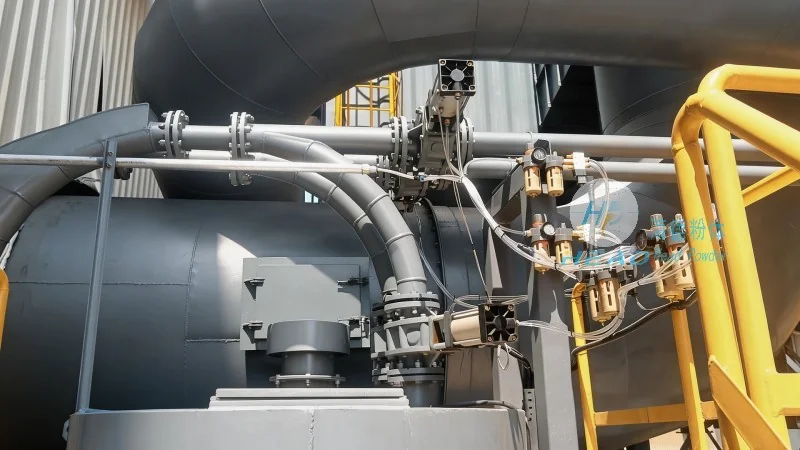
The core of any polypropylene pellet pneumatic conveying system consists of several key components that work in tandem to achieve effective material transport. These components include the material feed system, the conveying line, the separation and filtration equipment, and the air handling unit. Each of these elements plays a vital role in maintaining the integrity of the polypropylene pellets and ensuring the system operates efficiently.
2. Material Feed and Conditioning Equipment
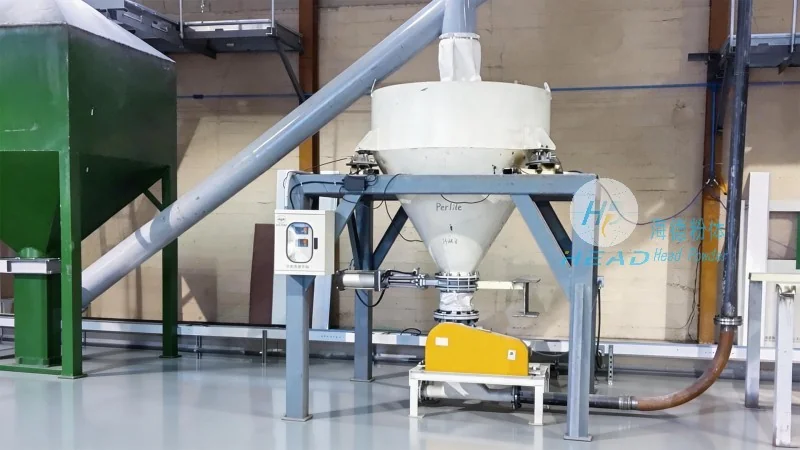
The initial stage of the polypropylene pellet pneumatic conveying process begins with the material feed system. This component is responsible for introducing the polypropylene pellets into the conveying line at a controlled rate. For polypropylene pellets, specialized feeders such as rotary valves or star feeders are commonly used. These devices ensure a consistent flow of material, preventing blockages and maintaining the system's performance. Additionally, some systems may include conditioning equipment like vibrators or preheaters to adjust the pellet's moisture content or temperature, which can affect the conveying efficiency.
3. Conveying Lines and Pipe Systems
The conveying line is the backbone of the pneumatic conveying system, responsible for transporting the polypropylene pellets through the system. The choice of pipe material and diameter is critical, as it directly impacts the system's pressure drop and overall efficiency. For polypropylene pellets, stainless steel or high-density polyethylene (HDPE) pipes are often used due to their durability and resistance to chemical corrosion. The pipe system may include bends, elbows, and straight sections, each designed to maintain the flow of the material without causing excessive friction or pressure loss. Properly sized and configured conveying lines are essential to minimize energy consumption and ensure smooth material transport.
4. Separation and Filtration Units
As the polypropylene pellets travel through the conveying line, they may encounter dust, fines, or other contaminants. The separation and filtration units are designed to remove these impurities and protect downstream equipment from damage. Cyclone separators are commonly used in pneumatic conveying systems, as they effectively separate the solid material from the air stream through centrifugal force. These units can be single-stage or multi-stage, depending on the required level of separation efficiency. Additionally, bag filters or cartridge filters may be employed to capture fine particles and ensure the exhaust air is clean and compliant with environmental regulations.
5. Air Handling and Compressors
The air handling unit, including the compressor and associated components, provides the necessary airflow and pressure to move the polypropylene pellets through the system. The type of compressor used depends on the system's requirements, such as the distance to be covered and the material's properties. Positive displacement compressors, like rotary lobe or screw compressors, are often preferred for pneumatic conveying applications due to their ability to deliver consistent pressure and flow rates. The air handling system also includes filters, regulators, and moisture separators to ensure the air is clean and dry, preventing corrosion and maintaining the longevity of the equipment.
6. Company Overview: Shandong HeadPowder Engineering Co., Ltd.
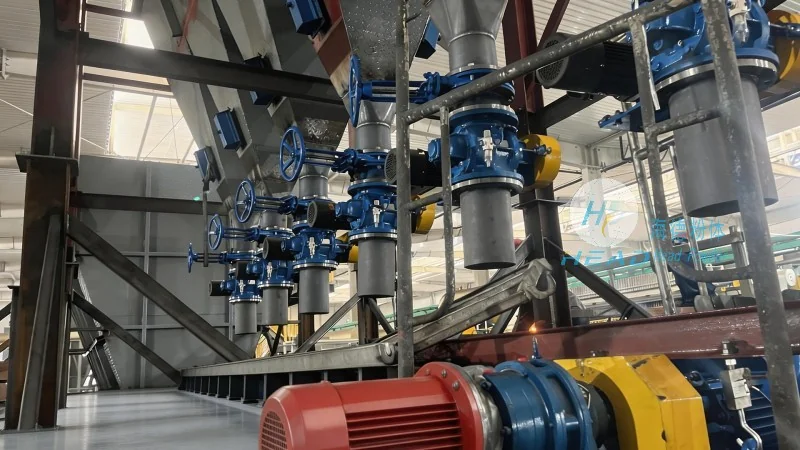
Shandong HeadPowder Engineering Co., Ltd., commonly known as HeadPowder, is a leading provider of pneumatic conveying solutions for polypropylene pellet applications. With its headquarters located in Shandong, China, HeadPowder specializes in designing, manufacturing, and installing customized pneumatic conveying systems tailored to the specific needs of its clients. The company's expertise lies in understanding the unique challenges of polypropylene pellet handling and developing innovative solutions that enhance efficiency, reduce maintenance costs, and improve overall production throughput. HeadPowder's team of engineers and technicians work closely with clients to assess their requirements, provide technical consultations, and deliver high-quality equipment that meets industry standards and regulatory requirements.
7. Customization and Integration Services
HeadPowder understands that each industrial application has distinct requirements, and therefore, offers comprehensive customization and integration services for polypropylene pellet pneumatic conveying systems. The company works with clients to design systems that align with their production processes, space constraints, and budget considerations. This includes the selection of appropriate components, such as feeders, separators, and compressors, and the integration of these components into a cohesive system. HeadPowder also provides installation, commissioning, and maintenance services to ensure that the system operates at peak performance throughout its lifecycle. By leveraging its experience and technical expertise, HeadPowder helps clients optimize their material handling operations and achieve their production goals.
8. Benefits of Proper Pneumatic Conveying Structures
Implementing the correct pneumatic conveying structures for polypropylene pellets offers numerous benefits to industrial operations. These include reduced material loss, improved safety by eliminating manual handling, and increased production efficiency. Properly designed systems also minimize energy consumption and lower operational costs over time. Additionally, the use of advanced separation and filtration equipment ensures that the polypropylene pellets remain in optimal condition, preventing contamination and maintaining product quality. For industries that rely on polypropylene pellets for manufacturing, investing in a well-designed pneumatic conveying system is a strategic decision that enhances operational performance and long-term profitability.