

Main Structures of Synthetic Fiber Pneumatic Conveying Systems
Shandong HeadPowder Engineering Co., Ltd., commonly known as HeadPowder, is a leading manufacturer specializing in the design and production of advanced pneumatic conveying systems. With a strong presence in China, particularly in Shandong province, the company has established itself as a trusted partner for industries requiring efficient and reliable material handling solutions. HeadPowder's expertise lies in developing customized systems tailored to the unique needs of clients, ensuring optimal performance and durability in various industrial applications.
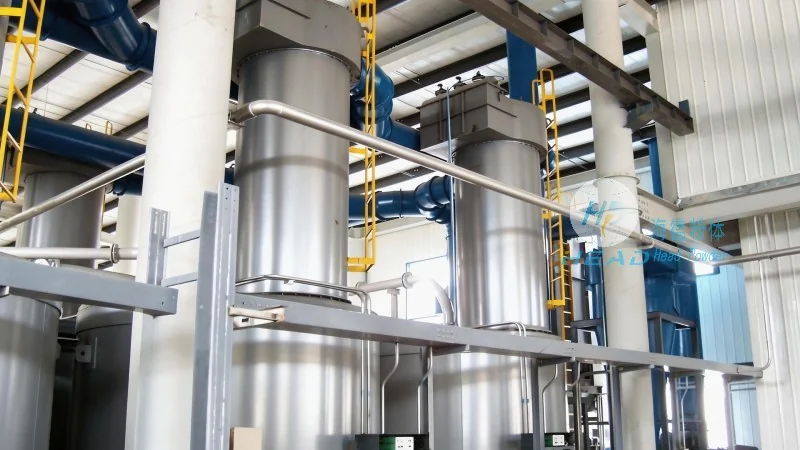
When it comes to synthetic fiber pneumatic conveying, the structural design plays a crucial role in the system's efficiency and effectiveness. The main structures of such systems are integral to ensuring smooth material transport, minimizing downtime, and maximizing operational productivity. Understanding these key components is essential for anyone involved in the selection or implementation of pneumatic conveying solutions. Below, we explore the primary structures that constitute a synthetic fiber pneumatic conveying system, highlighting their functions and importance.
1. Conveying Ducts and Pipelines
The conveying ducts or pipelines form the backbone of the synthetic fiber pneumatic conveying system. These are typically made from materials such as stainless steel, aluminum, or specialized polymers, chosen based on the properties of the synthetic fibers being transported. The ducts are designed to withstand the pressure and friction associated with high-velocity air flow and the abrasive nature of synthetic fibers. Proper sizing and material selection are critical to prevent blockages, wear, and degradation over time. The ducts connect various components, including the hopper, feeder, and receiver, creating a continuous path for material transport. In many systems, the ducts are equipped with bends, elbows, and straight sections, each designed to maintain consistent air velocity and prevent material accumulation.
2. Hopper and Material Feeder
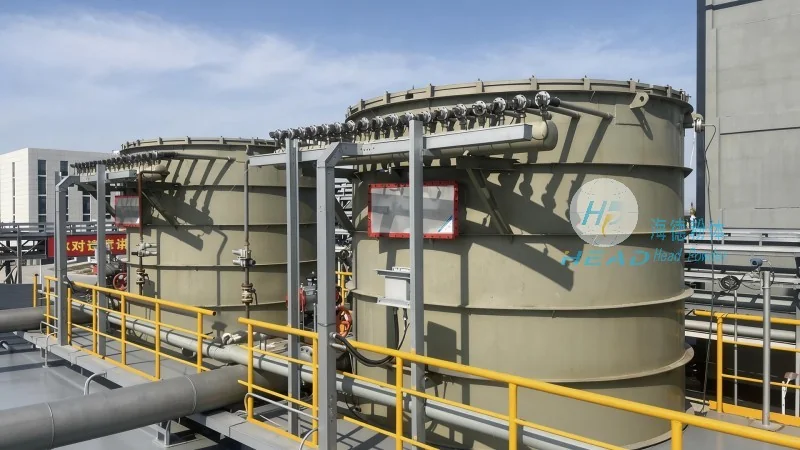
The hopper is a key component where synthetic fibers are stored before being introduced into the conveying system. It is designed to hold the material in a way that allows for uniform feeding into the feeder. The feeder, often a rotary valve or a screw feeder, regulates the flow of material into the duct. This component ensures that the material is introduced at a controlled rate, preventing overloading or underfeeding that could disrupt the conveying process. The hopper's design, including its shape and dimensions, is tailored to the specific characteristics of the synthetic fibers, such as bulk density and flowability. Proper hopper design minimizes material bridging and ensures consistent material flow, which is vital for maintaining system efficiency.
3. Air Supply and Blower Unit
The air supply system, including the blower or fan, provides the necessary pressure and airflow to move the synthetic fibers through the ducts. The blower unit is responsible for generating the high-pressure air required for pneumatic conveying. The choice of blower type—such as positive displacement blowers or centrifugal fans—depends on the system's requirements, including the material's properties and the desired conveying distance. The blower is typically connected to a filter system to ensure that the air is clean and free from contaminants that could damage the fibers or clog the system. Proper maintenance of the blower and air filter is essential to maintain consistent airflow and prevent system failures.
4. Receiver and Discharge System
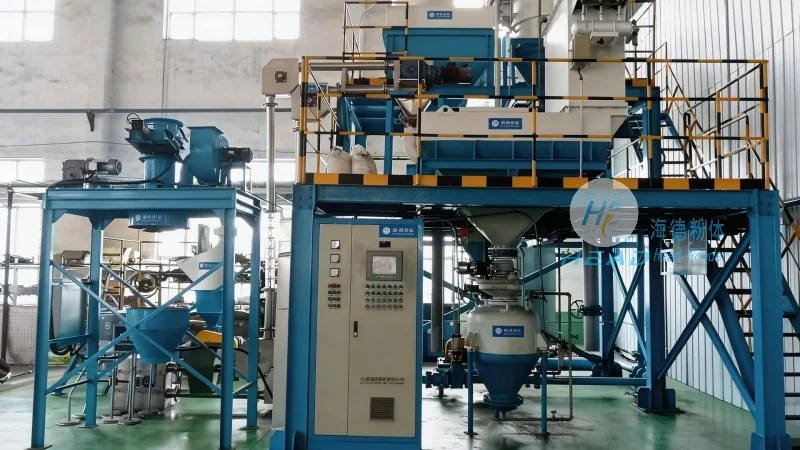
The receiver is the final component where the synthetic fibers are deposited after being conveyed through the system. It is designed to collect the material efficiently and prevent spillage or loss. The receiver often includes a discharge valve or outlet that allows for controlled release of the material into the next processing stage. The design of the receiver, including its shape and internal features, is optimized to minimize material residue and ensure easy cleaning. In some systems, the receiver may be equipped with a dust collection system to capture any airborne particles, enhancing safety and environmental compliance. The discharge system is critical for ensuring that the material is transferred smoothly to the next step in the production process, without causing blockages or contamination.
5. Control and Monitoring Systems
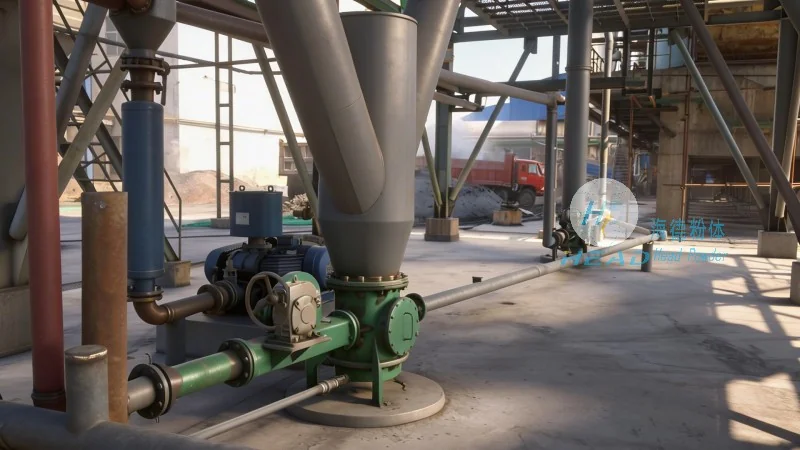
Modern synthetic fiber pneumatic conveying systems are equipped with advanced control and monitoring systems to ensure optimal operation. These systems include sensors, controllers, and indicators that monitor parameters such as air pressure, flow rate, and material level. The control system allows for real-time adjustments to the conveying process, enabling operators to respond quickly to changes or issues. For example, if the material flow rate decreases, the system can automatically adjust the air pressure or feeder speed to maintain consistent performance. The monitoring systems also provide data for maintenance planning, helping to prevent unexpected breakdowns and reduce downtime. By integrating these control and monitoring features, HeadPowder ensures that its systems operate reliably and efficiently, meeting the demands of modern industrial applications.
6. Cleaning and Maintenance Structures
Regular cleaning and maintenance are essential for the longevity and performance of synthetic fiber pneumatic conveying systems. The system includes various structures designed to facilitate maintenance tasks. For instance, access panels and hatches allow technicians to inspect and clean the ducts and other components. The system may also include cleaning ports or purge lines that allow for the removal of accumulated material or debris. Proper maintenance procedures, such as periodic cleaning and inspection, are recommended to prevent clogging and ensure the system's continued operation. HeadPowder emphasizes the importance of regular maintenance, providing guidelines and support to its clients to keep their systems in optimal condition.