Understanding the core components of cement aggregate pneumatic conveying systems is essential for optimizing material handling efficiency and reliability in industrial applications. These systems are designed to transport bulk materials like cement, aggregates, and other powders through a pressurized or vacuum environment using air or gas as the conveying medium. The main structures of such systems typically include several critical components that work in tandem to ensure smooth operation and effective material transport.
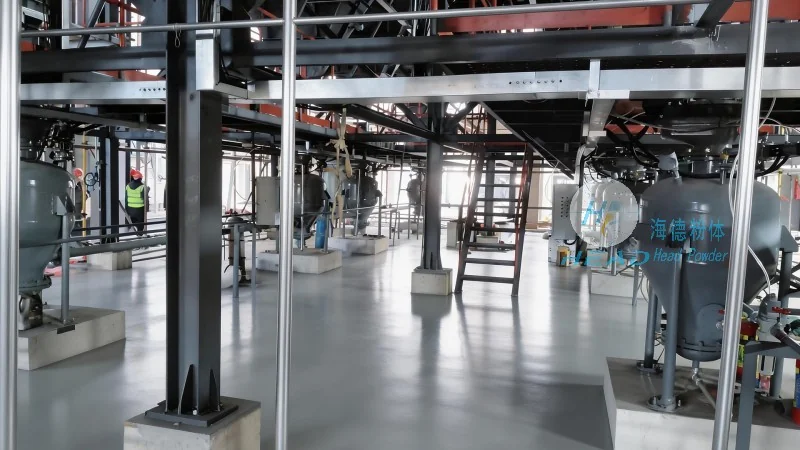
Key Structural Components of Pneumatic Conveying Systems
The primary structural elements of cement aggregate pneumatic conveying systems are engineered to handle the specific demands of transporting heavy and abrasive materials. These components are meticulously designed to ensure durability, efficiency, and minimal maintenance. A fundamental part of the system is the conveying line, which can be either a horizontal or vertical pipeline that transports the material from the source to the destination. The choice between positive pressure and negative pressure systems influences the design of the conveying line, as each has distinct advantages in terms of material handling capacity and operational flexibility.
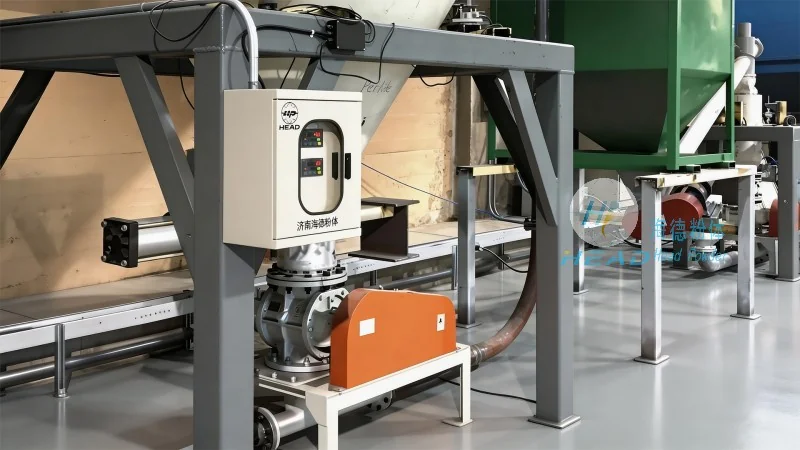
Another critical component is the material feed system. This includes hoppers, feeders, and control valves that regulate the flow of cement aggregates into the conveying line. Proper feeding is crucial to prevent blockages and ensure consistent material delivery. The feed system is often equipped with sensors and controls to maintain optimal flow rates, which is vital for maintaining system performance and preventing wear on other components.
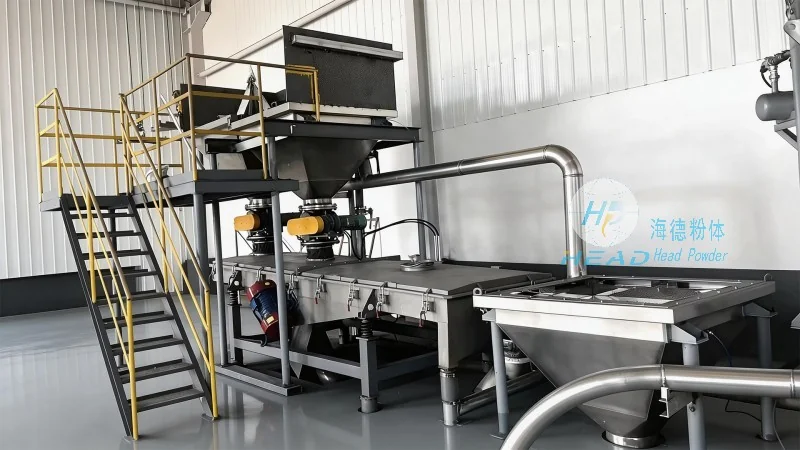
The air or gas source is another essential structural element. This can be a blower, compressor, or vacuum pump that provides the necessary pressure or vacuum to move the material through the pipeline. The selection of the air source depends on the system's capacity, the type of material being conveyed, and the distance over which the material needs to be transported. Efficient air management is key to minimizing energy consumption and maximizing conveying efficiency.
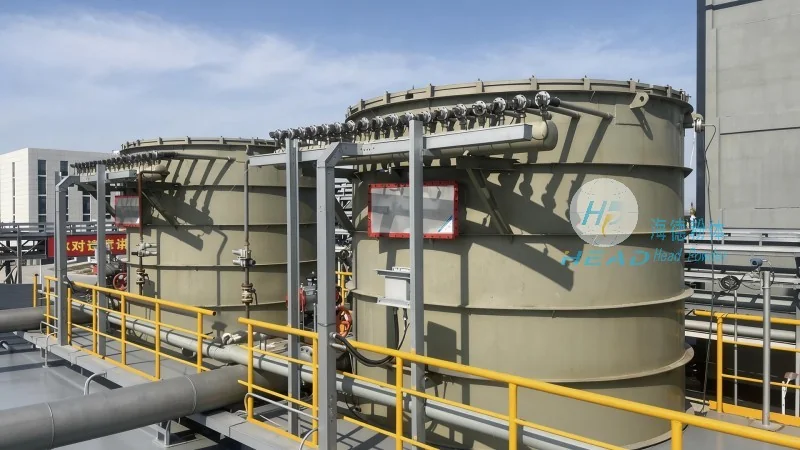
For systems that handle abrasive or high-density materials, the material separation and collection equipment is a critical structural component. This includes cyclones, filters, and dust collectors that separate the conveyed material from the air stream and collect it in a designated storage or processing area. Proper separation is essential to prevent material loss and maintain air quality, which is important for both operational efficiency and environmental compliance.
Additionally, the control and monitoring systems are integral to the overall structure of the pneumatic conveying system. These systems include sensors, control panels, and automation equipment that monitor pressure, flow rates, and other parameters in real-time. Advanced control systems can adjust the operation of the system based on feedback, ensuring optimal performance and reducing the risk of system failures or inefficiencies.
About Shandong HeadPowder Engineering Co., Ltd.
Shandong HeadPowder Engineering Co., Ltd., operating under the brand name headpowder, is a leading provider of specialized engineering solutions for material handling systems. With a focus on innovation and quality, the company designs and manufactures advanced pneumatic conveying systems tailored to the unique needs of the cement and aggregate industries. HeadPowder's expertise lies in creating customized solutions that enhance operational efficiency, reduce maintenance costs, and improve overall productivity for clients worldwide. The company's headquarters is located in Shandong, China, where it leverages its deep industry knowledge and technical capabilities to deliver cutting-edge solutions for material transport challenges.




