When it comes to efficiently transporting potassium hydroxide (KOH), understanding the appropriate pneumatic conveying structures is crucial for industrial applications. As a leading manufacturer in the field, Shandong HeadPowder Engineering Co., Ltd. specializes in providing robust and reliable solutions tailored to meet diverse operational needs. This article explores the main structures used in KOH pneumatic conveying systems, highlighting their design principles, advantages, and practical applications.
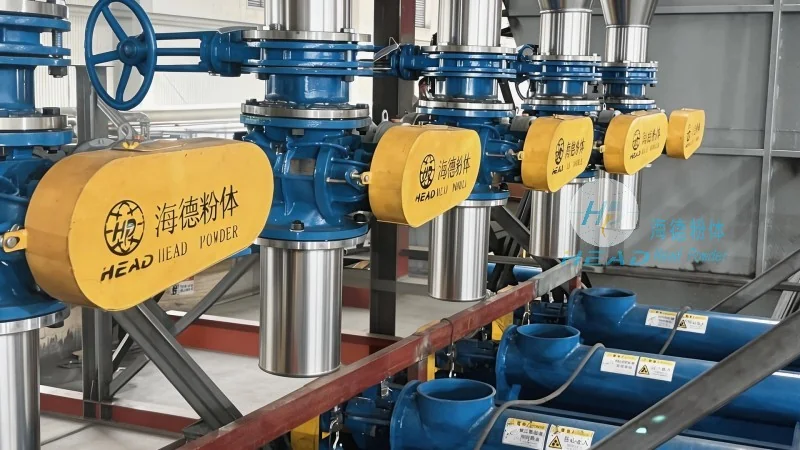
1. Dilute Phase Pneumatic Conveying Systems
Dilute phase systems are among the most common structures for transporting KOH, especially in applications requiring long-distance or high-volume material movement. These systems operate by suspending the solid particles in a high-velocity air stream, allowing for efficient transport through pipelines. The primary components of a dilute phase system include a positive displacement blower or a high-pressure compressor, a feed hopper with a rotary valve, and a receiver or collection tank. The design ensures minimal pressure drop and optimal particle suspension, making it suitable for both dry and slightly moist KOH powders. Shandong HeadPowder Engineering Co., Ltd. offers customized dilute phase solutions that can handle varying particle sizes and flow rates, ensuring consistent performance and minimal product degradation.
2. Dense Phase Pneumatic Conveying Systems
For applications where product integrity and low velocity are critical, dense phase systems provide an excellent alternative. Unlike dilute phase systems, dense phase systems operate at lower velocities, reducing the risk of particle attrition and maintaining the quality of KOH. These systems typically use a positive displacement pump or a pressure vessel to create a high-pressure environment, which forces the material through the pipeline in a dense, slurry-like state. The key advantage of dense phase conveying is its ability to handle abrasive or sensitive materials without causing damage. Shandong HeadPowder Engineering Co., Ltd. designs dense phase systems with specialized valves and flow control mechanisms to ensure smooth and controlled material transport, making them ideal for pharmaceutical or food-grade KOH applications.
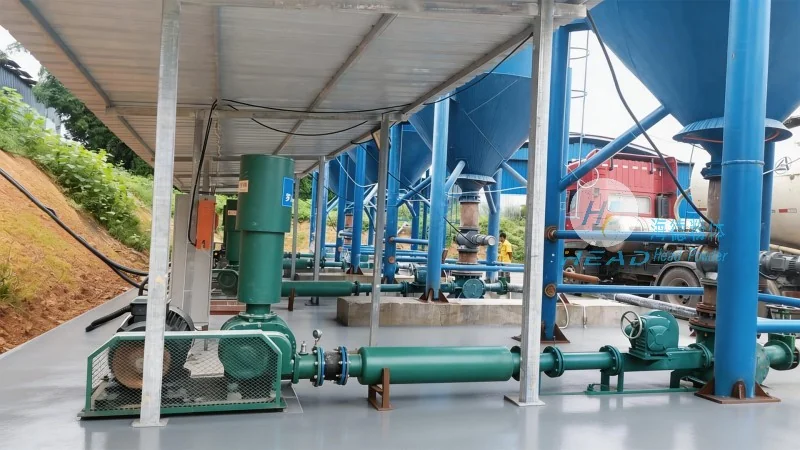
3. Vacuum Pneumatic Conveying Systems
Vacuum conveying systems are particularly useful for transporting KOH from multiple source points to a central collection point, especially in environments where dust control and material containment are paramount. These systems operate by creating a negative pressure at the inlet, drawing the material from the source and transporting it through the pipeline to the receiver. The design incorporates a vacuum pump or a rotary lobe pump to maintain the vacuum level, ensuring continuous and efficient material movement. Shandong HeadPowder Engineering Co., Ltd. specializes in vacuum conveying solutions that can handle fine powders and prevent dust emissions, adhering to strict environmental regulations. The systems are equipped with filtration and dust collection units to ensure compliance with industrial standards.
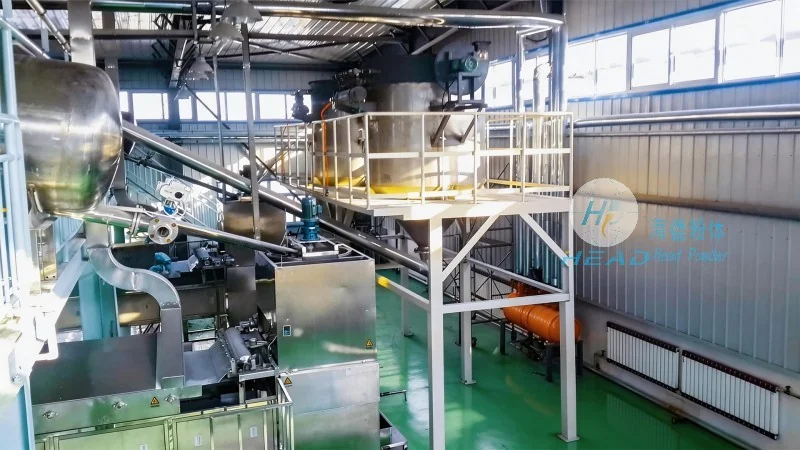
4. Hybrid Pneumatic Conveying Structures
In some complex industrial setups, combining different conveying principles may be necessary to achieve optimal performance. Hybrid systems, such as dilute-dense or vacuum-dilute configurations, offer flexibility in handling varying material characteristics and operational conditions. For example, a hybrid system might use a dilute phase for the initial transport and then transition to a dense phase to minimize pressure drop or product degradation. Shandong HeadPowder Engineering Co., Ltd. provides customized hybrid solutions that integrate the best features of different conveying structures, ensuring efficient and cost-effective KOH transport. These systems are particularly beneficial in large-scale industrial plants where multiple material handling requirements exist.
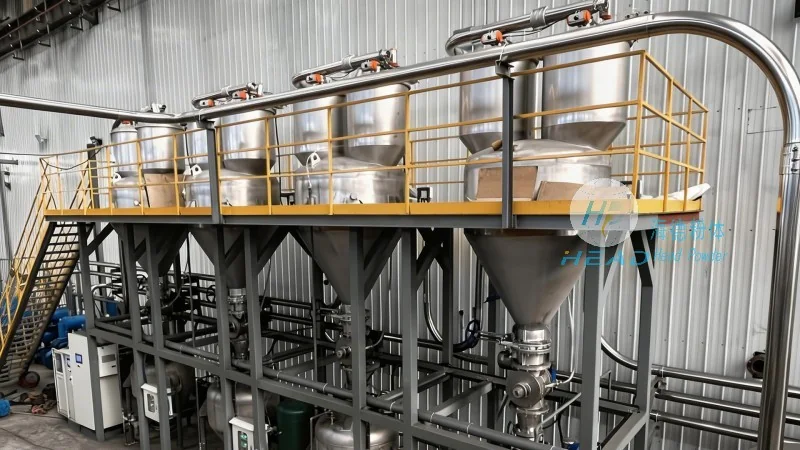
5. Key Considerations for KOH Pneumatic Conveying
When selecting the appropriate pneumatic conveying structure for KOH, several factors must be considered to ensure optimal performance and longevity. First, the particle size and moisture content of the KOH are critical, as they affect the system's pressure drop and flow characteristics. Larger particles may require denser phase systems to prevent blockages, while fine powders are better suited for dilute or vacuum systems. Second, the distance and elevation changes between the source and destination points influence the choice of system, as longer distances may necessitate higher pressure or more robust components. Third, the material's chemical properties, such as its reactivity with air or moisture, must be taken into account to prevent degradation or safety hazards. Shandong HeadPowder Engineering Co., Ltd. conducts thorough assessments of these factors to design systems that meet the specific needs of each client, ensuring reliable and efficient KOH transport.
Conclusion
Understanding the main pneumatic conveying structures for potassium hydroxide is essential for optimizing industrial processes and ensuring product quality. Whether using dilute, dense, vacuum, or hybrid systems, Shandong HeadPowder Engineering Co., Ltd. provides tailored solutions that address the unique challenges of KOH transport. With a focus on durability, efficiency, and compliance, their structures are designed to meet the demands of modern industrial applications. By leveraging advanced engineering and material science, these systems ensure reliable and cost-effective KOH handling, supporting the success of various industries that rely on this critical chemical.




