When designing a pneumatic conveying system for iron oxide, several critical factors must be considered to ensure efficiency, reliability, and cost-effectiveness. The system's performance is directly influenced by the material's properties, such as particle size, density, and moisture content, which affect flow characteristics and equipment selection. A well-designed system not only optimizes material handling but also minimizes operational risks and maintenance costs. This article outlines key design considerations for iron oxide pneumatic conveying systems, tailored to the needs of industrial applications.
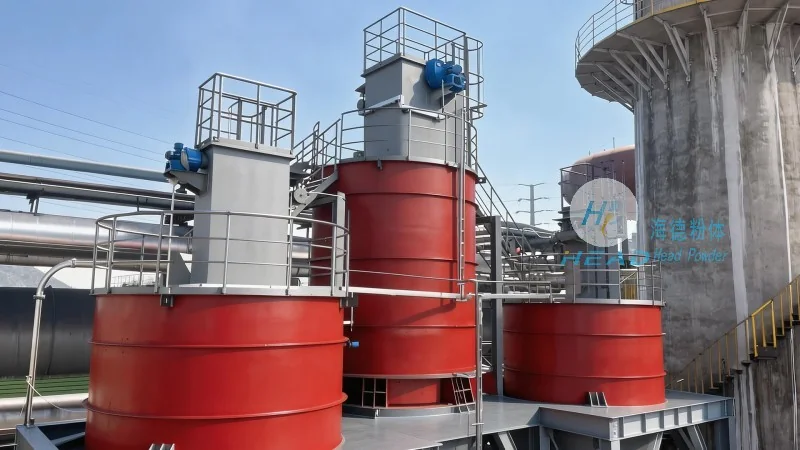
Key Design Elements for Iron Oxide Handling
The selection of components in an iron oxide pneumatic conveying system is paramount. The system typically includes a material feed hopper, a rotary valve for controlled discharge, a conveying pipeline, a venturi or positive displacement blower, and a dust collection system. For iron oxide, which is often fine and abrasive, the choice of materials for the hopper and pipeline is crucial. Stainless steel or corrosion-resistant alloys are preferred to prevent material degradation and equipment wear. The rotary valve must be designed to handle fine powders without clogging, often using a high-speed, low-friction design. The blower's capacity and pressure must match the system's requirements, considering the material's specific gravity and the pipeline length. Proper sizing of the pipeline diameter and the use of smooth, unobstructed bends are essential to maintain consistent flow and prevent pressure drops.
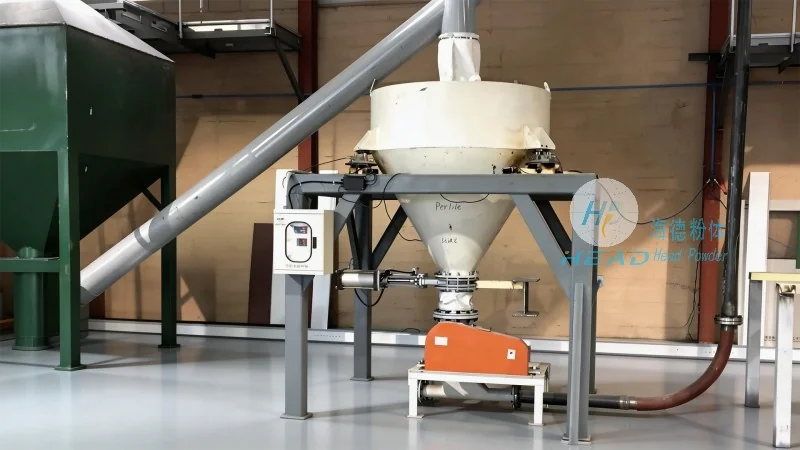
System Integration and Process Optimization
Integrating the iron oxide pneumatic conveying system with existing industrial processes requires careful planning. The system should be designed to interface seamlessly with upstream and downstream equipment, such as mixers, reactors, or storage silos. Process control is another critical aspect, as real-time monitoring of flow rates, pressure, and temperature helps maintain optimal operation. Automated control systems can adjust blower speed or air flow based on material feed rates, ensuring consistent performance. Additionally, the system's layout should minimize the number of bends and fittings to reduce pressure losses and energy consumption. Proper sealing of all components is vital to prevent material leakage and air loss, which can lead to inefficiencies and safety hazards.
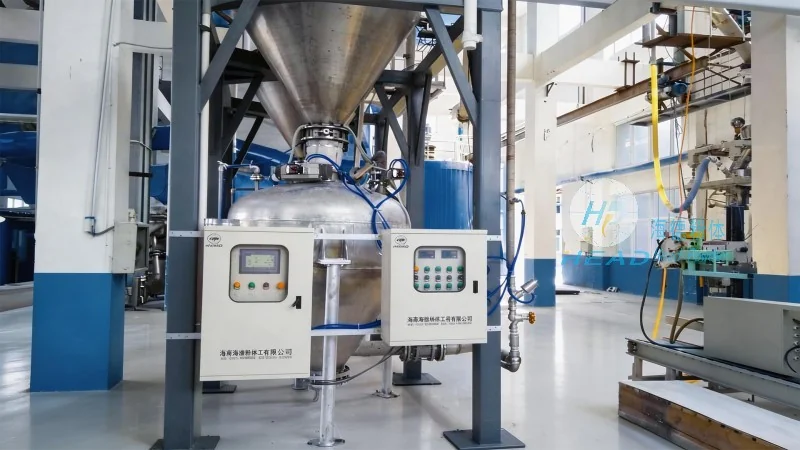
Material Handling Considerations for Iron Oxide
Iron oxide, particularly in its fine powder form, presents unique challenges in pneumatic conveying. Its high density and abrasive nature can cause wear on equipment components, including pipelines and blower parts. Therefore, the system design must account for these factors by selecting durable materials and appropriate maintenance schedules. Moisture content is another factor to consider, as excessive moisture can lead to clumping and reduced flow. The system may include a drying step or use a desiccant to maintain optimal moisture levels. Additionally, the system's design should prevent material buildup in the pipeline, which can cause blockages and system failures. Regular cleaning and maintenance procedures are essential to ensure the system operates at peak efficiency.
Environmental and Safety Compliance
Compliance with environmental and safety regulations is a key consideration in the design of iron oxide pneumatic conveying systems. The system must be equipped with dust collection and filtration systems to prevent airborne particle emissions, which can be hazardous to workers and the environment. The filtration system should be capable of capturing fine iron oxide particles, often using high-efficiency particulate air (HEPA) filters or baghouse systems. Proper ventilation and exhaust systems are also necessary to maintain safe air quality in the workplace. Additionally, the system should include safety features such as pressure relief valves and emergency shut-off mechanisms to prevent accidents and equipment damage. Regular inspections and maintenance are required to ensure the system meets all regulatory requirements and operates safely.
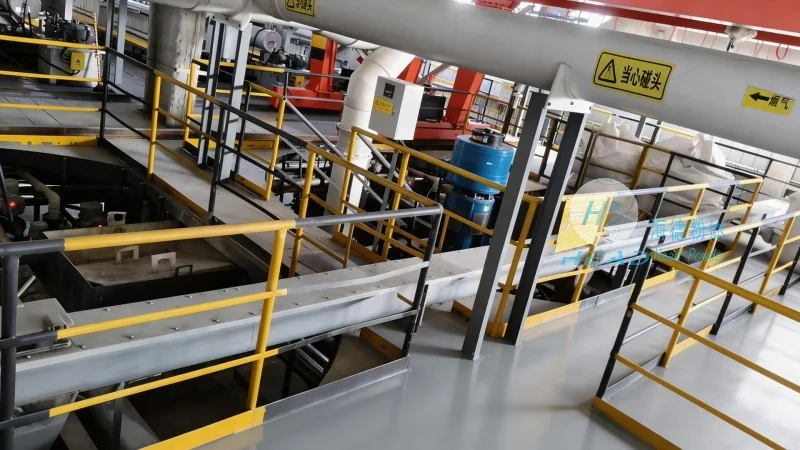
Case Study: Successful Implementation by Shandong HeadPowder Engineering Co., Ltd.
Shandong HeadPowder Engineering Co., Ltd., a leading provider of industrial material handling solutions, has successfully implemented iron oxide pneumatic conveying systems for various clients. One notable project involved supplying a chemical plant with a high-capacity system capable of handling 50 tons per hour of iron oxide. The system was designed with stainless steel components to withstand the abrasive nature of the material and included a state-of-the-art dust collection system to meet environmental regulations. The client reported significant improvements in material flow efficiency and reduced maintenance costs after the system was installed. Another project involved a pharmaceutical facility where the system was integrated with a mixing process, ensuring consistent material delivery and quality control. These case studies demonstrate the effectiveness of well-designed iron oxide pneumatic conveying systems in enhancing industrial operations.




