For agricultural processing facilities, efficiently handling and transporting corn kernels is a critical operational challenge. Pneumatic conveying systems offer a versatile and effective solution to move these granular materials from one location to another within a facility. This article explores several practical approaches to corn kernels pneumatic conveying, highlighting the key considerations and technologies involved in implementing such systems.
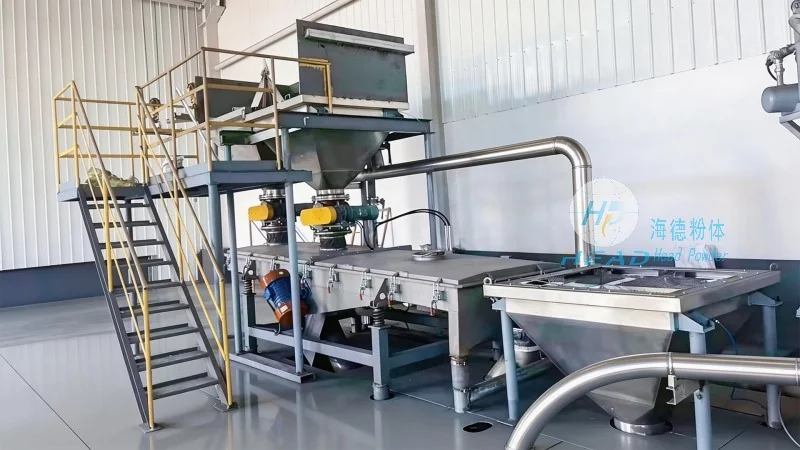
Understanding Pneumatic Conveying Basics
Pneumatic conveying utilizes air or gas to transport solid materials like corn kernels through a pipeline. The process can be categorized into two main types: dilute phase and dense phase. Dilute phase systems use higher air velocities to suspend the material, while dense phase systems operate at lower velocities, creating a more compact flow. The choice between these depends on factors such as material properties, distance, and desired system efficiency.
Option 1: Positive Pressure Conveying System
One common solution for corn kernels is a positive pressure conveying system. In this setup, air is blown into the conveying line, creating a pressure that pushes the corn kernels forward. This method is particularly effective for short to medium distances and can handle a wide range of particle sizes. The system typically includes a blower, a hopper for material storage, and a discharge point. Positive pressure systems are known for their simplicity and reliability, making them a popular choice for many agricultural processing plants.
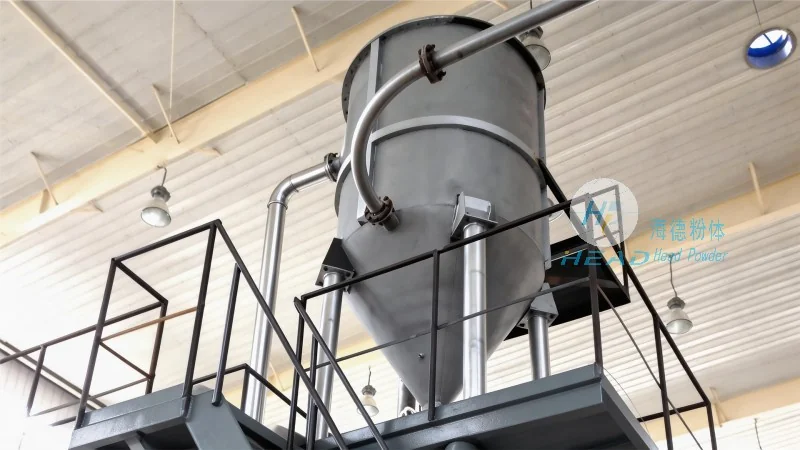
Option 2: Negative Pressure (Vacuum) Conveying System
Conversely, negative pressure systems use a vacuum to draw corn kernels into the conveying line. This approach is ideal for applications where the material needs to be transported from multiple sources or over longer distances. The vacuum is created by a fan or ejector, and the system can be designed with multiple inlets and outlets. Negative pressure conveying is often preferred for its ability to handle fine particles and for its lower noise levels compared to positive pressure systems.
Option 3: Hybrid Conveying Systems
For more complex operations, hybrid systems combine both positive and negative pressure elements. These systems may use a positive pressure section for initial material acceleration and a negative pressure section for final transport or material collection. Hybrid approaches offer flexibility and can optimize energy consumption by adjusting the pressure levels based on the conveying distance and material characteristics. This makes them suitable for large-scale processing facilities that require high throughput and efficient material handling.
Key Considerations for System Design
When selecting a pneumatic conveying solution for corn kernels, several factors must be carefully evaluated. Material properties, such as moisture content, size distribution, and density, directly impact the system's performance. The conveying distance and required flow rate are also critical parameters. Additionally, the system's capacity, energy efficiency, and maintenance requirements should be considered to ensure long-term operational success.
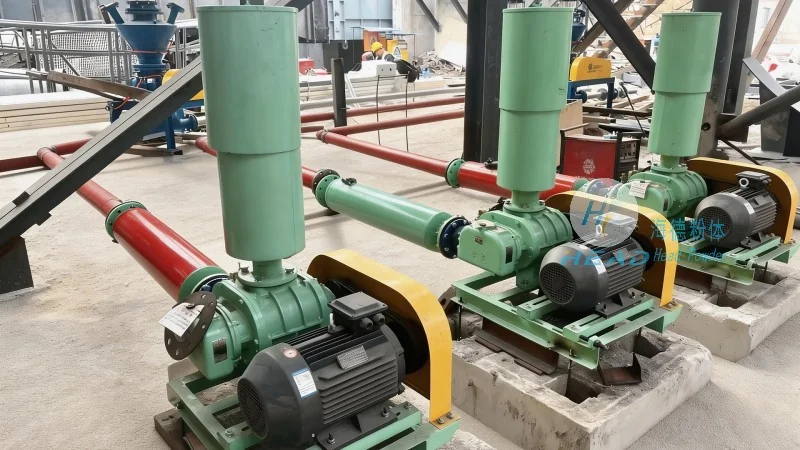
HeadPowder Engineering's Expertise in Corn Kernels Pneumatic Conveying
Shandong HeadPowder Engineering Co., Ltd. specializes in designing and manufacturing customized pneumatic conveying systems tailored to the specific needs of agricultural processing industries. With years of experience in the field, the company understands the unique challenges associated with handling corn kernels and offers comprehensive solutions that enhance operational efficiency and reduce downtime. HeadPowder's team of engineers works closely with clients to assess their requirements and develop systems that meet both current and future processing demands.
Conclusion
Choosing the right pneumatic conveying system for corn kernels is essential for optimizing material handling in agricultural facilities. Whether opting for a positive pressure, negative pressure, or hybrid system, careful consideration of material properties, distance, and operational goals is crucial. By leveraging the expertise of companies like Shandong HeadPowder Engineering Co., Ltd., agricultural processors can implement effective and efficient conveying solutions that improve productivity and ensure smooth operations.




