

Several Solutions for Pneumatic Conveying of Maltodextrin
For industrial applications involving the handling of maltodextrin, especially in pelletized form, efficient and reliable material transport is crucial. Pneumatic conveying systems offer a versatile and effective solution, and there are several approaches tailored to meet different operational requirements. This article explores various methods for pneumatic conveying of maltodextrin, highlighting the considerations and benefits of each approach.
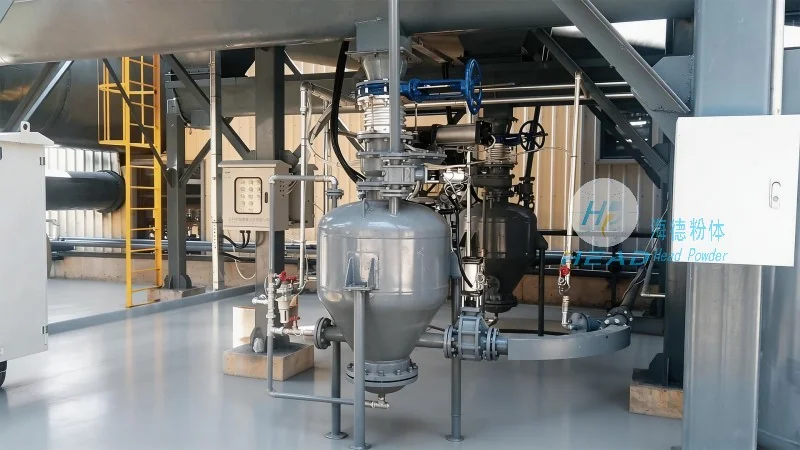
Understanding Pneumatic Conveying for Maltodextrin
Pneumatic conveying systems utilize air or gas to transport bulk materials like maltodextrin through a pipeline. These systems are widely used in the food and chemical industries due to their ability to handle fine powders without the need for mechanical components that might cause contamination or wear. The choice of conveying method depends on factors such as material properties, required throughput, system length, and environmental considerations. Maltodextrin, being a hygroscopic and fine powder, demands systems that can maintain product integrity while ensuring efficient transport.
Key Considerations in Maltodextrin Pneumatic Conveying
Before selecting a pneumatic conveying solution, several key factors must be evaluated. The first is the material's physical characteristics, including particle size, density, and flowability. Maltodextrin pellets typically have a specific size range and can be prone to bridging or caking in hoppers, which affects the feeding rate. Second, the required capacity and distance of transport are critical. Short-distance conveying may use low-pressure systems, while long-distance or high-capacity applications often require high-pressure or dense-phase systems. Third, the need for product containment and environmental control is essential, as maltodextrin is a food-grade material that must be handled under sanitary conditions. Finally, energy efficiency and operational costs play a significant role in the long-term viability of the system.
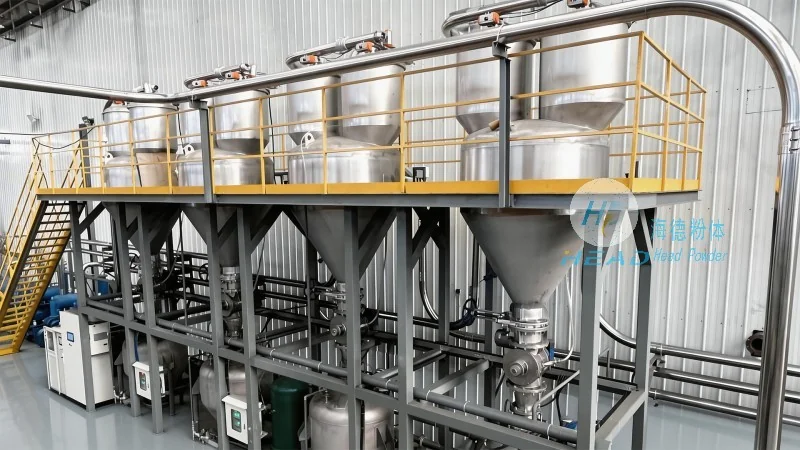
Several Pneumatic Conveying Solutions for Maltodextrin
There are primarily two types of pneumatic conveying systems: dilute-phase and dense-phase. Dilute-phase systems use low air velocities to transport material in a suspended state, suitable for short to medium distances and moderate capacities. Dense-phase systems, on the other hand, use higher air velocities and lower material concentrations to create a slurry-like flow, ideal for long-distance transport and maintaining product quality. For maltodextrin, both systems can be adapted to meet specific needs.
1. Dilute-Phase Pneumatic Conveying
Dilute-phase conveying is suitable for applications where the distance between the source and destination is relatively short, typically up to several hundred meters. In this system, air is introduced at a high velocity, creating a cloud of maltodextrin particles that are carried through the pipeline. The system operates at lower pressures, making it cost-effective for smaller-scale operations. However, it may not be ideal for long-distance transport as the material can settle in the pipeline, leading to blockages or uneven flow. For maltodextrin, dilute-phase systems are often used in processing plants where the material is moved from storage to processing equipment within the same facility.
2. Dense-Phase Pneumatic Conveying
Dense-phase conveying is more suitable for long-distance transport, often exceeding 500 meters, and for applications requiring high material density and minimal product degradation. In this method, the material is conveyed in a slurry-like state, with a higher proportion of material to air. This reduces the risk of particle separation and ensures a more uniform flow. The system operates at higher pressures, which may increase energy costs but provides better control over the material's velocity and distribution. Dense-phase systems are particularly effective for maltodextrin, as they can maintain the product's quality and prevent segregation during transport.
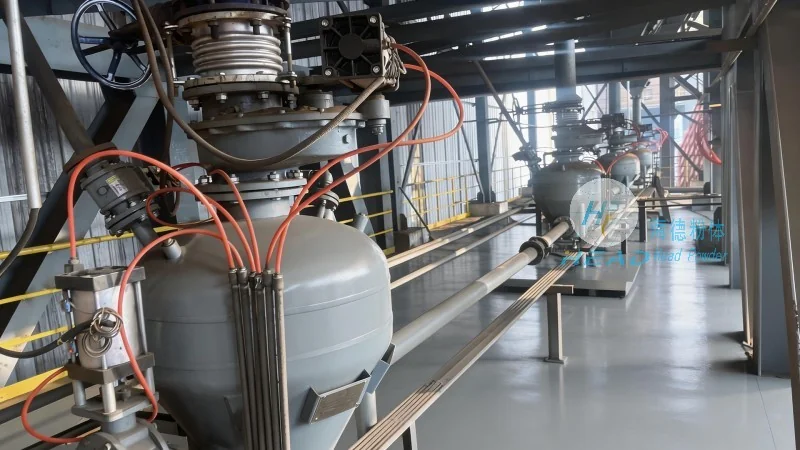
3. Hybrid Pneumatic Conveying Systems
Hybrid systems combine elements of both dilute and dense-phase conveying to optimize performance for specific applications. These systems may use a combination of low and high-pressure zones, allowing for efficient transport over varying distances. For example, a hybrid system might use a dilute-phase approach for the initial short segment and then transition to a dense-phase mode for the longer distance. This flexibility makes hybrid systems ideal for complex layouts where the material needs to be moved through multiple stages or across different elevations. In the case of maltodextrin, hybrid systems can be tailored to handle both short and long transport needs, ensuring consistent product quality and operational efficiency.
4. Vacuum Pneumatic Conveying
Vacuum conveying systems use a vacuum to draw material from the source into the pipeline, making them suitable for applications where the material needs to be collected from multiple points or from elevated locations. This method is particularly useful for maltodextrin that is stored in silos or hoppers at different heights. Vacuum systems can handle fine powders and maintain product integrity, as the material is transported in a sealed environment. However, they may have lower throughput compared to pressure systems and require careful design to prevent air leaks and ensure consistent suction. For industrial settings, vacuum conveying is often used for collecting maltodextrin from processing equipment or for transferring it from storage to processing lines.
5. Air-Lift Pneumatic Conveying
Air-lift systems are a specialized form of pneumatic conveying that uses the principle of air displacement to transport material vertically. This method is particularly effective for moving maltodextrin from lower to higher elevations, such as from a storage silo to a processing unit. The system consists of a vertical pipe with an air inlet at the bottom and a discharge outlet at the top. As air is introduced, it creates a pressure differential that lifts the material upward. Air-lift systems are simple in design and require minimal maintenance, making them suitable for applications where vertical transport is necessary. However, they have limitations in terms of height and capacity, and may not be suitable for long horizontal distances. For maltodextrin, air-lift systems are often used in small-scale operations or for vertical transport within processing plants.
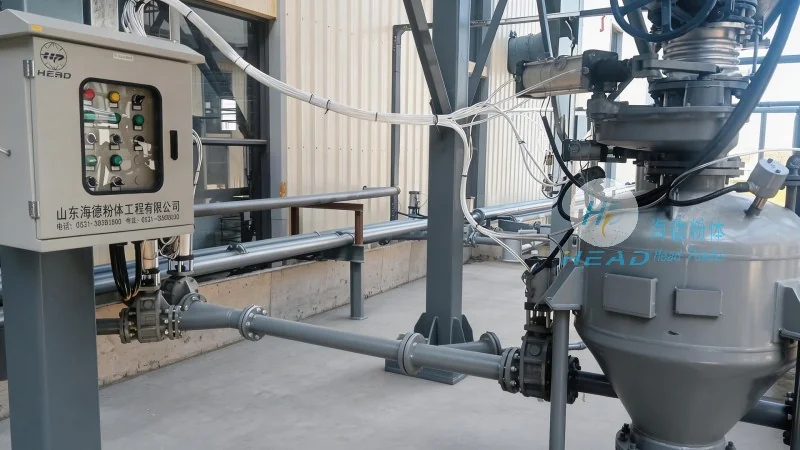
Choosing the Right Pneumatic Conveying System for Maltodextrin
When selecting a pneumatic conveying system for maltodextrin, it is essential to consider the specific operational requirements and constraints. The choice between dilute-phase, dense-phase, hybrid, or vacuum systems depends on factors such as distance, capacity, and product quality. For short distances and moderate capacities, dilute-phase systems may be sufficient. For long distances or high material density requirements, dense-phase or hybrid systems are more appropriate. Vacuum systems are ideal for collection and vertical transport, while air-lift systems are suitable for vertical movement. It is also important to evaluate the system's energy efficiency, maintenance requirements, and compatibility with existing infrastructure. Consulting with a specialized engineering company, such as Shandong HeadPowder Engineering Co., Ltd., can provide valuable insights into the most suitable solution for a particular application.
Conclusion
Pneumatic conveying offers several effective solutions for the transport of maltodextrin, each with its own advantages and limitations. By understanding the material's properties and the operational requirements, industries can select the most appropriate system to ensure efficient, reliable, and cost-effective material handling. Whether using dilute-phase, dense-phase, hybrid, vacuum, or air-lift systems, the goal is to maintain product quality, minimize downtime, and optimize operational performance. With the expertise of companies like Shandong HeadPowder Engineering Co., Ltd., tailored pneumatic conveying solutions can be designed and implemented to meet the specific needs of maltodextrin processing facilities.