

Comparison of Common Cotton Seed Conveying Methods
When it comes to the efficient handling and transportation of cotton seeds, selecting the right conveying method is crucial for optimizing production processes and ensuring minimal loss. Various technologies have been developed to address the unique characteristics of cotton seeds, such as their lightweight nature and irregular shapes. This article provides a detailed comparison of common cotton seed conveying methods, focusing on their operational principles, advantages, and applications.
1. Screw Conveyors for Cotton Seed Transport
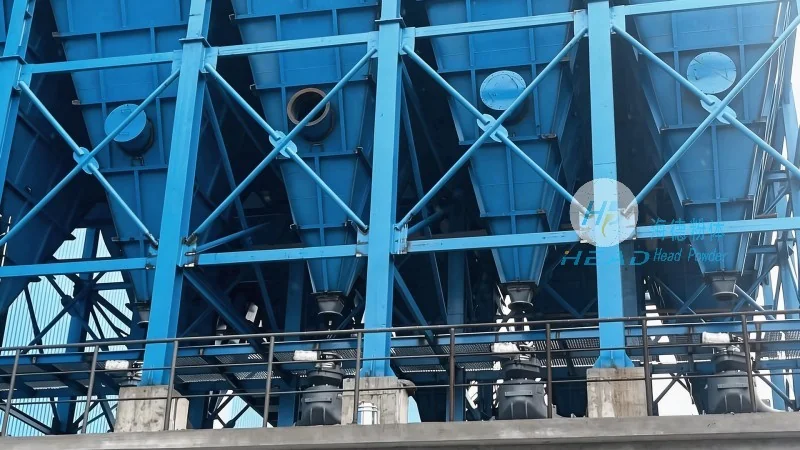
One of the most widely used methods for cotton seed conveying is the screw conveyor. This equipment consists of a rotating helical screw blade enclosed in a U-shaped or tubular housing. As the screw rotates, it pushes the cotton seeds forward along the conveyor path. Screw conveyors are particularly effective for horizontal or slightly inclined transport, making them suitable for short to medium distances. They are known for their simplicity, low maintenance requirements, and ability to handle a wide range of seed sizes and moisture contents. The smooth operation of screw conveyors minimizes seed damage, which is critical for maintaining seed quality. Additionally, these conveyors can be easily integrated into existing processing lines, providing flexibility in system design. However, screw conveyors may experience some challenges with sticky or high-moisture cotton seeds, as these can cause clogging or reduced efficiency. Proper material selection for the screw and housing, along with regular cleaning, helps mitigate these issues.
2. Belt Conveyors in Cotton Seed Handling
Belt conveyors represent another common solution for cotton seed transportation, especially in large-scale operations. These systems utilize a continuous belt, typically made of rubber or synthetic materials, that moves over rollers or pulleys. The belt is driven by a motor, and the cotton seeds are placed on the belt surface, where they are carried to the desired location. Belt conveyors excel in handling bulk quantities of cotton seeds and are ideal for both horizontal and inclined transport over longer distances. Their ability to maintain a consistent speed and load capacity makes them reliable for continuous production processes. The open design of belt conveyors allows for easy inspection and maintenance, which is beneficial for ensuring operational efficiency. However, belt conveyors require more space compared to screw conveyors and may need additional support structures for inclined runs. The selection of the right belt material is crucial to prevent seed damage and ensure durability. For instance, belts with textured surfaces can improve traction and reduce seed slippage, enhancing overall performance.
3. Pneumatic Conveying Systems for Cotton Seeds
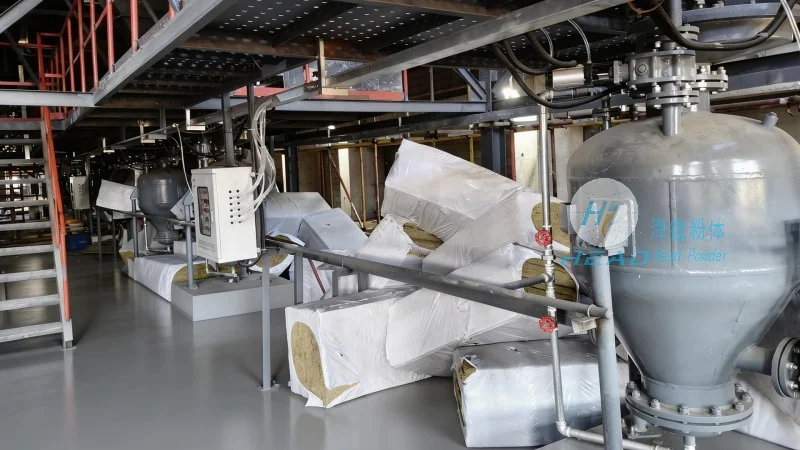
Pneumatic conveying systems offer a different approach to cotton seed transport, leveraging air pressure to move the seeds through a pipeline. These systems can be categorized into two main types: pressure and vacuum. In pressure systems, compressed air is used to push the cotton seeds through the pipeline, while vacuum systems use suction to draw the seeds into the line. Pneumatic conveying is highly effective for transporting cotton seeds over long distances, often with minimal infrastructure modifications. It is particularly useful in applications where the seeds need to be moved vertically or through complex layouts. The enclosed pipeline design prevents dust and seed loss, making it suitable for environments where hygiene and product purity are important. Pneumatic systems also allow for the integration of other processing steps, such as cleaning or sorting, directly into the conveying line. However, the initial investment for pneumatic systems can be higher due to the need for air compressors and pipeline networks. Additionally, the system's efficiency depends on maintaining consistent air pressure and preventing blockages in the pipeline. Proper filtration and regular maintenance are essential to ensure smooth operation and extend the lifespan of the equipment.
4. Bucket Elevators for Vertical Cotton Seed Transport
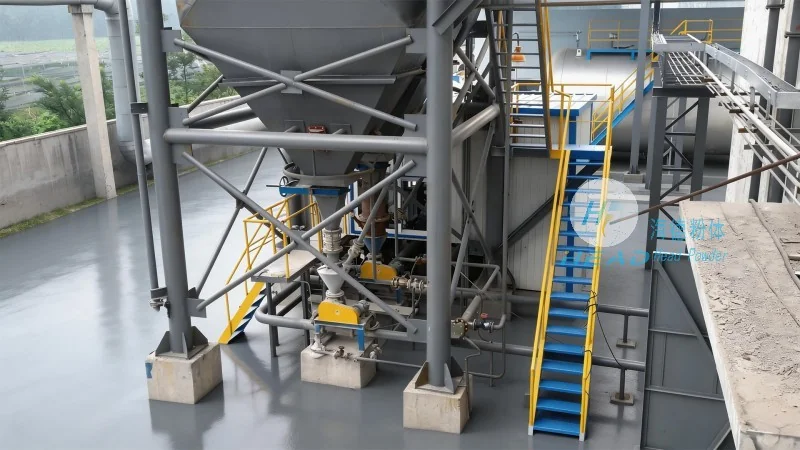
For vertical transport of cotton seeds, bucket elevators are a popular choice. These systems consist of a vertical or inclined conveyor with a series of buckets attached to a rotating chain or belt. As the buckets move upward, they scoop up the cotton seeds and discharge them at the top. Bucket elevators are highly efficient for lifting cotton seeds to significant heights, making them suitable for multi-level processing facilities. They are known for their high capacity and ability to handle large volumes of seeds with minimal space requirements. The enclosed design of bucket elevators prevents seed spillage and contamination, which is critical in food and seed processing industries. Additionally, these systems can be equipped with features like speed control and material flow monitoring to optimize performance. However, bucket elevators may experience wear and tear on the buckets and chains due to the abrasive nature of cotton seeds. Regular inspection and replacement of worn components are necessary to maintain operational efficiency. The design of the buckets, including their shape and spacing, plays a key role in preventing seed damage and ensuring smooth transport. Proper alignment and tensioning of the conveyor components are also essential for long-term reliability.
5. Comparison and Selection Considerations
When choosing a cotton seed conveying method, several factors need to be considered to ensure the best fit for specific applications. The distance and direction of transport are primary considerations, as some methods are better suited for horizontal movement while others excel in vertical or long-distance transport. The volume of cotton seeds to be handled also influences the selection, with larger volumes often requiring more robust systems like belt or pneumatic conveyors. The characteristics of the cotton seeds, such as size, moisture content, and stickiness, impact the choice of equipment. For example, sticky or high-moisture seeds may benefit from the enclosed design of belt or pneumatic systems to prevent clogging. Cost and maintenance requirements are also important factors. While screw conveyors may have lower initial costs, they may require more frequent maintenance for sticky seeds. Pneumatic systems, though higher in initial investment, offer lower maintenance costs in the long run due to their enclosed design. The integration with existing processing lines and the need for space are additional considerations. Ultimately, the selection of the most appropriate cotton seed conveying method involves a careful evaluation of operational needs, cost implications, and equipment performance to achieve optimal results.