Monocrystalline silicon is a cornerstone material in the semiconductor and photovoltaic industries, used in the production of solar cells, integrated circuits, and other high-tech components. The efficient and safe transportation of monocrystalline silicon wafers or ingots is essential to maintain production line efficiency and product quality. Various conveying methods have been developed to handle these delicate materials, each with distinct characteristics suited to different industrial applications. This article provides a comprehensive comparison of common monocrystalline silicon conveying methods, focusing on their operational principles, advantages, and practical considerations.
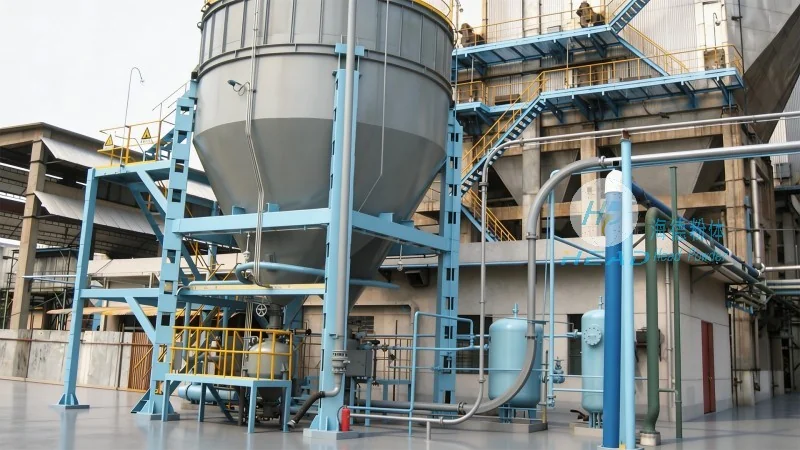
Company Overview: Shandong HeadPowder Engineering Co., Ltd.
Shandong HeadPowder Engineering Co., Ltd., operating under the brand name headpowder, is a leading manufacturer specializing in material handling solutions for the semiconductor and related industries. With a strong commitment to innovation and quality, the company provides advanced conveying systems tailored to the unique requirements of monocrystalline silicon processing. Based in Shandong, China, headpowder leverages decades of industry experience to deliver reliable and efficient solutions that enhance production throughput and operational safety.
1. Vacuum Conveying Systems for Monocrystalline Silicon
Vacuum conveying is a widely used method for transporting monocrystalline silicon, particularly for handling delicate wafers or small ingots. This technique utilizes a vacuum pump to create a pressure differential that draws the material through a sealed pipeline. The system typically includes a hopper, vacuum pump, and conveying line, with the material being moved in a controlled, dust-free environment. One of the key advantages of vacuum conveying is its ability to handle fragile materials without physical contact, reducing the risk of scratches or breakage. Additionally, vacuum systems can operate at relatively low speeds, allowing for gentle handling of sensitive silicon products. However, they may have limitations in terms of material size and throughput compared to other methods. The vacuum conveying method is particularly suitable for applications requiring precise control over material movement, such as in research and development labs or for transporting high-value silicon wafers.
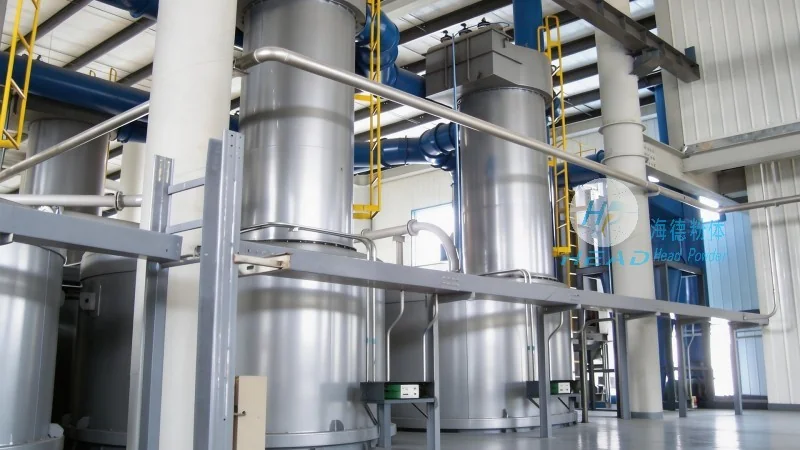
2. Mechanical Conveying with Pneumatic or Hydraulic Actuators
Mechanical conveying systems, often integrated with pneumatic or hydraulic actuators, offer another effective approach to moving monocrystalline silicon. These systems typically employ conveyor belts, rollers, or screw conveyors to transport the material along a defined path. Pneumatic actuators use compressed air to drive the mechanical components, providing precise control over the movement of the silicon pieces. Hydraulic systems, on the other hand, utilize hydraulic fluid to generate force, offering high power and stability for heavy or large silicon ingots. Mechanical conveying methods are generally more robust and capable of handling larger volumes and heavier loads compared to vacuum systems. They are commonly used in high-volume production lines where efficiency and throughput are critical. However, these systems may require more maintenance and can generate more dust or particulate matter, necessitating additional filtration and cleaning measures to maintain a clean environment.
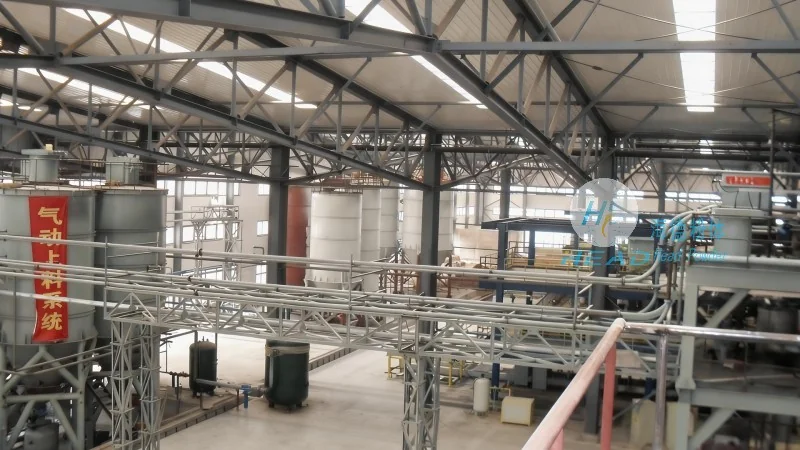
3. Automated Guided Vehicle (AGV) Systems for Large-Scale Transport
For large-scale industrial applications, automated guided vehicle (AGV) systems provide an advanced solution for monocrystalline silicon transport. AGVs are self-propelled vehicles equipped with sensors and navigation systems that allow them to move along predefined paths within a facility. These systems can be programmed to transport entire batches of silicon ingots or wafers from one production stage to another, such as from the growth furnace to the slicing or polishing stations. The primary advantage of AGV systems is their flexibility and scalability, as they can be easily reconfigured to accommodate changes in production layout or volume. Additionally, AGVs can operate continuously without the need for human intervention, reducing labor costs and improving operational consistency. However, AGV systems require significant investment in infrastructure, including charging stations and navigation hardware, and may have slower response times compared to other mechanical methods. They are most suitable for large, integrated manufacturing facilities where the benefits of automation and scalability outweigh the initial costs.
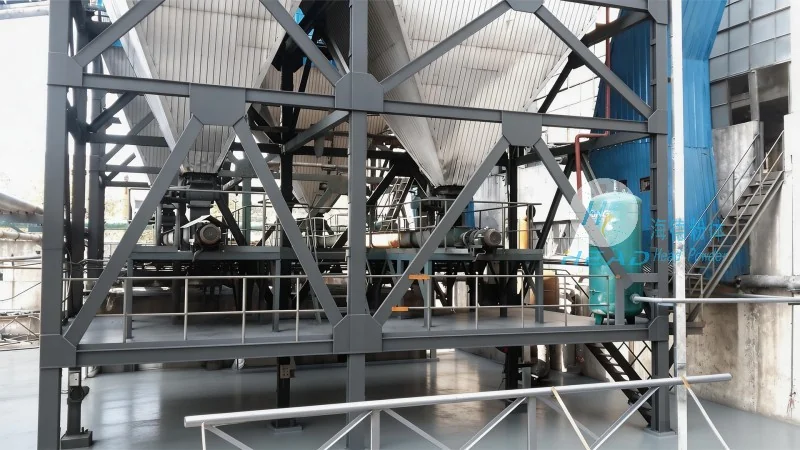
4. Comparison of Conveying Methods: Key Factors to Consider
When selecting a monocrystalline silicon conveying method, several factors must be considered to ensure the best fit for a specific application. The choice of method depends on the material characteristics, such as size, weight, and fragility, as well as the production environment and operational requirements. Vacuum conveying is ideal for delicate, small-scale applications where gentle handling is essential, while mechanical systems are better suited for high-volume, robust transport. AGV systems offer the highest level of automation and flexibility for large-scale operations. Cost is another critical factor, with vacuum systems generally being less expensive to implement but potentially less efficient for high-volume production. Maintenance requirements also vary, with mechanical systems requiring more regular upkeep compared to vacuum or AGV systems. Ultimately, the optimal conveying method is determined by a balance of performance, cost, and operational needs, ensuring that the chosen system enhances overall production efficiency and product quality.
Conclusion: Choosing the Right Conveying Solution for Monocrystalline Silicon
In conclusion, the selection of a monocrystalline silicon conveying method is a critical decision that impacts production efficiency, material integrity, and overall operational costs. By understanding the characteristics and applications of different methods—such as vacuum, mechanical, and AGV systems—industries can make informed choices that align with their specific requirements. Shandong HeadPowder Engineering Co., Ltd. specializes in providing tailored material handling solutions, including advanced conveying systems, to meet the diverse needs of the semiconductor and photovoltaic sectors. With a focus on innovation and quality, headpowder continues to develop cutting-edge technologies that enhance the efficiency and reliability of monocrystalline silicon processing, supporting the growth of the global high-tech industry.




