Textile fiber pneumatic conveying systems represent a sophisticated approach to material handling within the textile industry. These systems are designed to efficiently transport loose fibers, such as cotton, polyester, or other synthetic fibers, from storage or processing units to production machinery. The technology leverages the principles of pneumatic transport, utilizing air flow to move material through a network of pipes and components. This method offers advantages like reduced dust contamination, improved safety, and enhanced operational flexibility compared to traditional mechanical conveyors. Shandong HeadPowder Engineering Co., Ltd., a leading provider in this field, specializes in designing and manufacturing customized pneumatic conveying solutions for textile applications.
Key Components of a Pneumatic Conveying System for Textiles
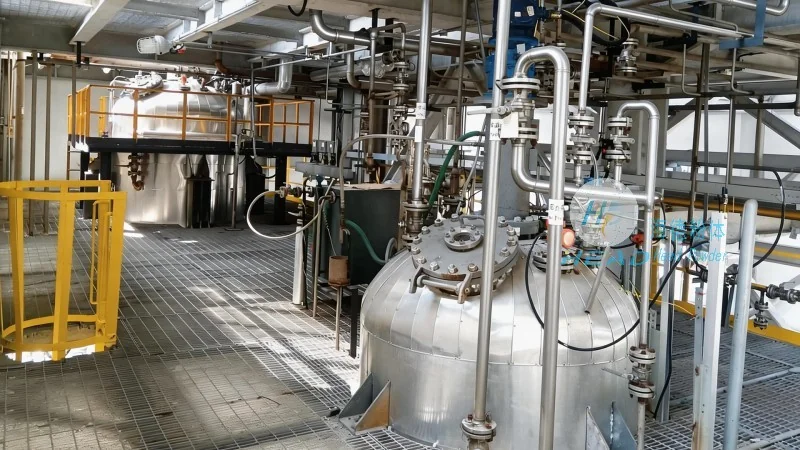
The core components of a textile fiber pneumatic conveying system typically include a material feed hopper, an air mover (such as a rotary lobe blower or positive displacement blower), a conveying line (often made of stainless steel or other corrosion-resistant materials), and a discharge unit. The feed hopper ensures a consistent supply of fibers, while the air mover generates the necessary pressure or vacuum to drive material flow. The conveying line may feature bends, filters, and pressure relief valves to maintain system efficiency and protect equipment. The discharge unit delivers the fibers to the next stage of processing, such as a carding machine or a blending unit.
Working Principle and Operational Mechanics
The operation of a textile fiber pneumatic conveying system involves several key steps. First, fibers are fed into the system from the hopper. The air mover then creates a pressure differential, either by blowing air into the system (positive pressure) or by creating a vacuum (negative pressure). This differential forces the fibers to be carried along with the air stream through the conveying line. As the fibers travel, they may be separated from the air in a cyclone separator or a filter, where the air is released and the fibers are collected for further processing. The system is designed to handle a wide range of fiber types and sizes, with adjustable parameters to optimize flow rates and system performance.
Advantages of Using Pneumatic Conveying in Textile Manufacturing
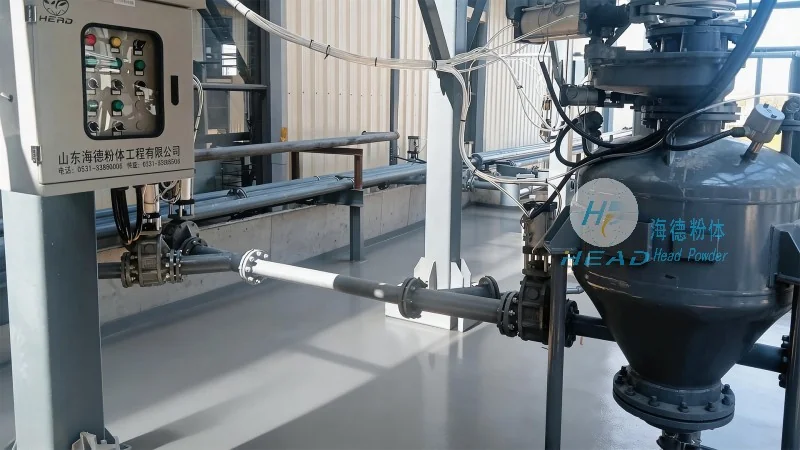
Implementing a pneumatic conveying system in textile manufacturing offers several benefits. Firstly, it minimizes dust and airborne contamination, which is crucial for maintaining product quality and worker health. Unlike mechanical systems that can generate dust and debris, pneumatic transport keeps fibers contained within the system. Secondly, these systems provide greater flexibility in layout, as they can be installed in various configurations to suit the factory floor plan. This adaptability allows for easy integration with existing machinery and processes. Additionally, pneumatic conveyors are generally quieter and require less maintenance compared to mechanical alternatives, contributing to a more efficient and cost-effective operation.
Applications in Textile Production Processes
Textile fiber pneumatic conveying systems are widely used across various stages of textile production. In raw material handling, they efficiently transport fibers from storage silos or bales to blending and mixing equipment. During the spinning process, these systems can deliver fibers to carding machines or draw frames, ensuring a consistent feed rate. In the finishing stages, pneumatic conveyors may be used to transport dyed or treated fibers to drying or packaging units. The versatility of the system makes it suitable for both small-scale and large-scale textile operations, accommodating different production volumes and material types.
Customization and System Design Considerations
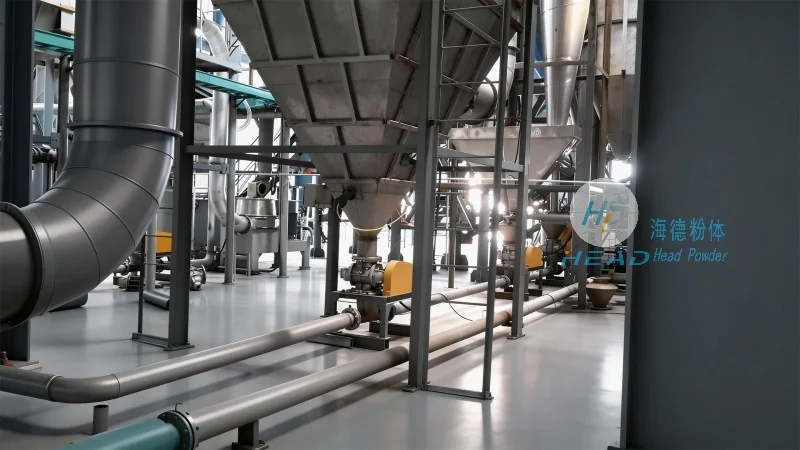
When selecting or designing a textile fiber pneumatic conveying system, several factors must be considered to ensure optimal performance. The system must be tailored to the specific characteristics of the fibers being handled, including their density, moisture content, and particle size. Material selection for the conveying line and components is critical to prevent corrosion or fiber buildup, especially when dealing with synthetic fibers or chemicals. Additionally, the air mover's capacity and type must be matched to the required flow rate and pressure, as insufficient power can lead to system inefficiencies or blockages. Professional engineering and consultation are often recommended to design a system that meets the unique needs of a textile facility.
Maintenance and Operational Best Practices
Proper maintenance is essential to ensure the longevity and efficiency of a textile fiber pneumatic conveying system. Regular cleaning of the conveying line, filters, and cyclone separators is necessary to prevent clogging and maintain airflow. Inspecting the air mover and other components for wear and tear, such as bearings or seals, should be performed periodically. Monitoring system pressure and flow rates can help identify potential issues early, preventing major breakdowns. Additionally, training operators on proper system operation and emergency procedures is crucial for safe and effective use. By following these best practices, textile manufacturers can maximize the lifespan of their pneumatic conveying systems and minimize downtime.




