Activated carbon granule pneumatic conveying systems are critical components in various industrial processes, particularly in industries that rely on efficient material handling and transportation of activated carbon. These systems utilize air or other gas streams to transport granular materials, offering a cost-effective and flexible solution for moving activated carbon from one location to another within a facility or between different sites. The technology has evolved significantly over the years, with advancements in design and control systems enhancing performance, reliability, and safety.
Understanding Pneumatic Conveying Systems for Activated Carbon
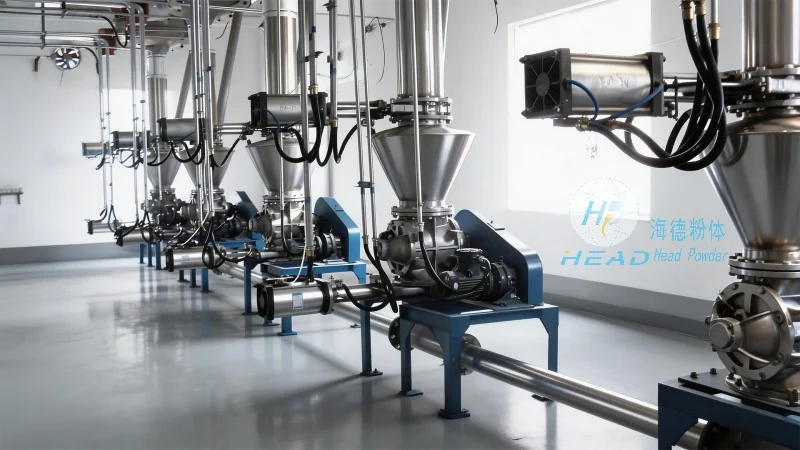
Pneumatic conveying systems for activated carbon granules operate by creating a pressure differential or using vacuum to move the material through a pipeline. The system typically consists of a hopper or feeder to supply the granules, a conveying line, and a receiver or discharge point. The choice between positive pressure, negative pressure, or a combination of both depends on the specific application, material characteristics, and distance to be covered. Activated carbon, with its fine particle size and potential for dust generation, requires specialized equipment to ensure efficient and dust-free transport. The system must be designed to handle the unique properties of activated carbon, such as its low bulk density and tendency to agglomerate, to prevent blockages and maintain consistent flow rates.
Key Components of an Activated Carbon Pneumatic Conveying System
The core components of an activated carbon granule pneumatic conveying system include the material feeder, conveying line, air or gas source, and control system. The material feeder, often a hopper with a rotary valve or vibratory feeder, ensures a steady supply of activated carbon granules into the system. The conveying line, made of materials resistant to corrosion and abrasion (such as stainless steel or special plastics), is designed to withstand the abrasive nature of activated carbon particles. The air or gas source, typically a blower or compressor, provides the necessary pressure or vacuum to move the material through the line. The control system monitors and regulates the flow rate, pressure, and other parameters to maintain optimal operation and prevent system failures.
Advantages of Using Pneumatic Conveying for Activated Carbon
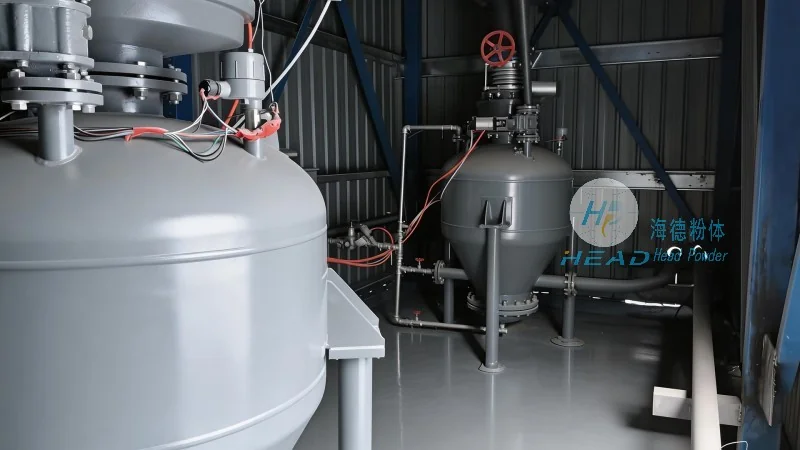
There are several advantages to employing pneumatic conveying systems for activated carbon granules. Firstly, these systems offer a dust-free and enclosed transport method, which is crucial for maintaining product quality and safety, especially in environments where dust can be a health hazard or cause contamination. Secondly, pneumatic conveying can handle long distances and multiple transfer points without the need for intermediate storage or manual handling, improving overall efficiency and reducing labor costs. Thirdly, the technology is flexible and can be adapted to various production scales, from small-scale laboratory applications to large industrial operations. Additionally, the system can be integrated with other process equipment, such as reactors or filters, to create a seamless material flow within a plant.
Applications of Activated Carbon Pneumatic Conveying Systems
Activated carbon granule pneumatic conveying systems are widely used in various industries, including water treatment, air purification, pharmaceuticals, and chemical processing. In water treatment facilities, these systems transport activated carbon to and from filters and reactors, ensuring consistent and efficient filtration processes. In air purification systems, the technology moves activated carbon to and from adsorption units, maintaining the performance of air filtration equipment. The pharmaceutical industry uses pneumatic conveying for activated carbon in drug manufacturing processes, where contamination control is paramount. In chemical processing, the systems handle activated carbon in various stages of production, from raw material handling to final product packaging.
HeadPowder Engineering: Your Partner in Activated Carbon Conveying Solutions
Shandong HeadPowder Engineering Co., Ltd., a leading manufacturer of industrial conveying systems, specializes in providing customized solutions for activated carbon granule pneumatic conveying. With years of experience in the industry, HeadPowder understands the unique challenges associated with handling activated carbon and has developed advanced systems to address these issues. The company’s team of engineers and technicians works closely with clients to design and implement systems that meet their specific requirements, ensuring optimal performance and reliability. HeadPowder’s commitment to quality and innovation has made it a trusted partner for many industries, helping them improve their material handling processes and enhance overall operational efficiency.
Customization and Maintenance for Optimal Performance
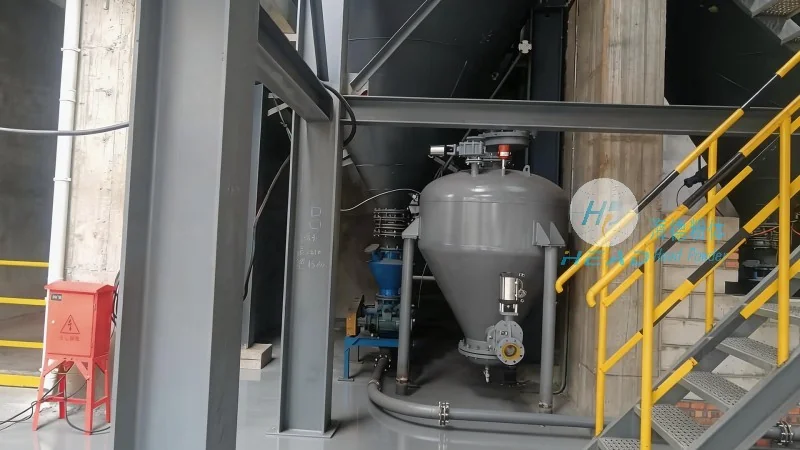
HeadPowder Engineering offers customized solutions tailored to the specific needs of each client. Whether it's a small-scale system for a laboratory or a large-scale system for an industrial plant, the company can design and manufacture a system that meets the client's requirements. The company also provides maintenance and support services to ensure the system operates at peak performance. Regular maintenance, including cleaning of the conveying line, inspection of components, and replacement of worn parts, is essential to prevent system failures and extend the life of the equipment. HeadPowder’s maintenance team is experienced in handling activated carbon systems and can provide timely and effective solutions to any issues that may arise.
Conclusion: The Importance of Efficient Activated Carbon Conveying
Efficient and reliable activated carbon granule pneumatic conveying systems are essential for industries that rely on activated carbon for their processes. These systems not only improve material handling efficiency but also enhance product quality and safety. With the right system design and maintenance, industries can achieve consistent performance and reduce operational costs. Shandong HeadPowder Engineering Co., Ltd. is a leading provider of such systems, offering customized solutions and expert support to help clients achieve their material handling goals. By investing in a high-quality pneumatic conveying system, industries can improve their overall productivity and competitiveness in the market.




