When it comes to handling and transporting gypsum powder in industrial applications, selecting the right conveying method is crucial for efficiency, cost-effectiveness, and operational safety. Gypsum powder, a key material in construction and manufacturing, requires specialized equipment to ensure smooth and reliable movement from storage to processing units. This article provides a detailed comparison of common gypsum powder conveying methods, highlighting their advantages, limitations, and suitability for different industrial scenarios. We will explore mechanical, air, and hybrid systems, offering insights into how each approach addresses the unique challenges of gypsum powder handling.
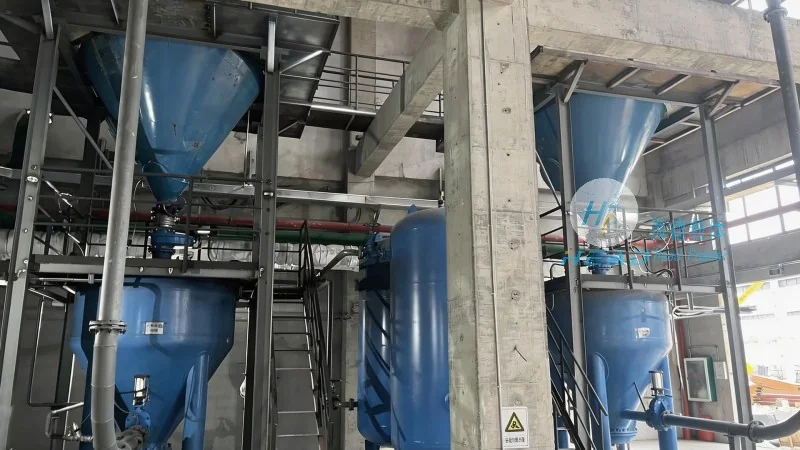
HeadPowder's Expertise in Gypsum Handling
Shandong HeadPowder Engineering Co., Ltd., a leading manufacturer based in China, specializes in the design, development, and supply of advanced gypsum powder handling solutions. With years of experience in the industry, HeadPowder has developed a comprehensive range of conveying systems tailored to meet the diverse needs of clients across various sectors. The company's commitment to innovation and quality ensures that their products are not only efficient but also durable and reliable, making them a trusted partner for businesses requiring robust gypsum powder transportation solutions.
Common Conveying Methods for Gypsum Powder
Gypsum powder, with its fine particle size and potential for dust generation, demands conveying systems that can handle abrasive materials while maintaining low maintenance costs. The primary methods used in industrial settings include mechanical, pneumatic (air), and hybrid systems. Each method has distinct characteristics that make it suitable for specific applications, and understanding these differences is essential for selecting the optimal solution.
Mechanical Conveying Systems
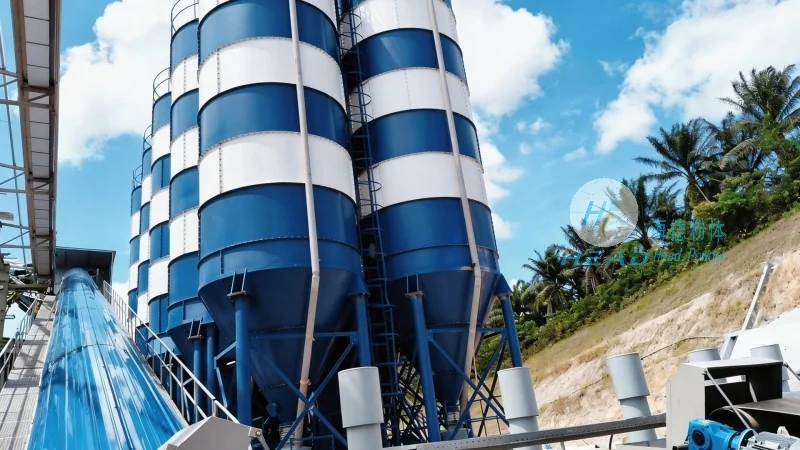
Mechanical conveying systems rely on physical components such as belts, screws, and buckets to transport gypsum powder. These systems are widely used due to their simplicity, reliability, and ability to handle large volumes of material. One common type is the screw conveyor, which uses a rotating screw to move material along a tube or trough. Screw conveyors are particularly effective for horizontal or slight incline applications, providing consistent flow rates and minimal dust generation. However, they may struggle with very fine or cohesive powders, as these can cause blockages or reduce efficiency. Another mechanical option is the belt conveyor, which uses a continuous belt to transport material over rollers. Belt conveyors are ideal for long-distance transport and can handle a wide range of particle sizes, including gypsum powder. They are often used in combination with other equipment, such as feeders or elevators, to create a complete material handling system. Mechanical systems generally require less maintenance than pneumatic systems and are less susceptible to air pressure fluctuations, making them a cost-effective choice for many applications.
Air Conveying Systems
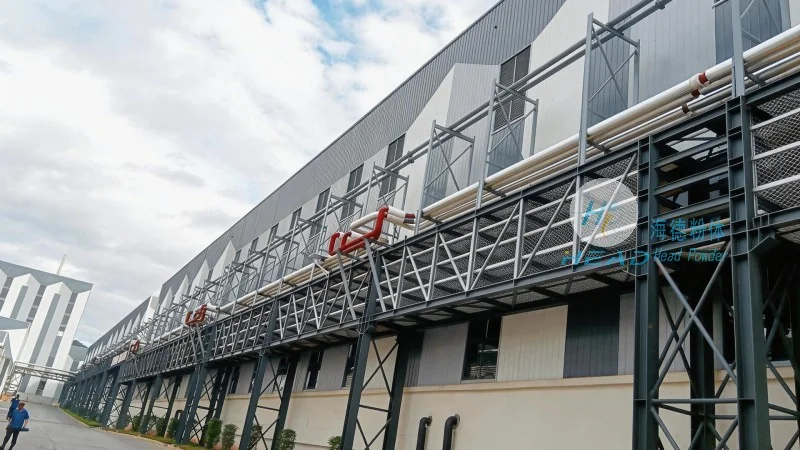
Pneumatic conveying systems use air or other gases to transport gypsum powder through a pipeline. These systems are particularly effective for handling fine powders and can achieve high transport speeds, making them suitable for applications requiring rapid material movement. There are two main types of pneumatic conveying: pressure and vacuum systems. Pressure systems use compressed air to push material through the pipeline, while vacuum systems use a vacuum to draw material into the system. Pressure systems are generally more efficient for long-distance transport and can handle larger volumes of material, but they require more energy and may generate more dust. Vacuum systems are better suited for shorter distances and can handle more delicate materials, but they may have lower transport speeds and require more maintenance. Air conveying systems are advantageous for applications where dust control is critical, as the material is contained within the pipeline. However, they may be less effective for very abrasive or sticky powders, as these can cause wear and tear on the system components. Additionally, pneumatic systems require regular cleaning and maintenance to prevent clogging and ensure optimal performance.
Hybrid Conveying Solutions
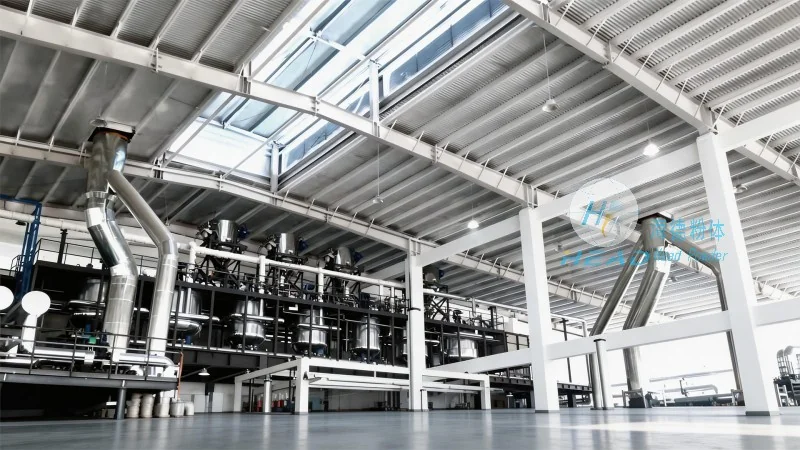
Hybrid conveying systems combine elements of both mechanical and pneumatic methods to leverage the benefits of each approach. For example, a screw conveyor may be integrated with a pneumatic feeder to improve material flow and reduce dust. This combination allows for more efficient transport of gypsum powder, especially in applications where both high volume and low dust are required. Hybrid systems are often used in complex material handling setups, where multiple components need to work together to achieve optimal performance. They provide flexibility and adaptability, making them suitable for a wide range of industrial applications. However, hybrid systems can be more complex to install and maintain, as they require coordination between different components. The cost of hybrid systems is typically higher than that of mechanical or pneumatic systems alone, but the benefits in terms of efficiency and reliability often justify the investment.
Factors to Consider When Choosing a Conveying Method
When selecting a gypsum powder conveying method, several factors must be considered to ensure the best fit for the specific application. These factors include the particle size and characteristics of the gypsum powder, the distance and height of the transport, the required flow rate, and the environmental and safety requirements. The particle size is a critical factor, as finer powders may require more specialized equipment to prevent clogging and maintain flow. The distance and height of the transport will determine whether a mechanical or pneumatic system is more suitable, as mechanical systems are better for horizontal or slight incline transport, while pneumatic systems excel at vertical or long-distance transport. The required flow rate will influence the capacity of the system, and the environmental and safety requirements will dictate the need for dust control measures or explosion-proof components. Additionally, the cost of installation, operation, and maintenance should be considered, as these factors can significantly impact the overall efficiency of the conveying system.
Company Profile: Shandong HeadPowder Engineering Co., Ltd.
Shandong HeadPowder Engineering Co., Ltd. is a reputable company based in China, specializing in the engineering and manufacturing of gypsum powder handling equipment. The company's headquarters is located in Shandong, a province known for its industrial strength and technological advancements. HeadPowder has established itself as a leading provider of high-quality conveying systems, offering a wide range of products tailored to meet the diverse needs of clients in the construction, manufacturing, and other industries. The company's commitment to quality and innovation has earned it a strong reputation in the market, with clients relying on their expertise to solve complex material handling challenges. HeadPowder's team of engineers and technicians work closely with clients to understand their specific requirements and develop customized solutions that enhance operational efficiency and reduce costs. The company's products are designed to meet international standards and are backed by a comprehensive warranty and after-sales support, ensuring that clients receive reliable and long-lasting equipment.




