

What Methods Can Be Used for Sweet Potato Starch Conveying?
When it comes to the efficient handling and transportation of sweet potato starch, selecting the right conveying method is crucial for optimizing production processes and ensuring product quality. Sweet potato starch, a key ingredient in various food products and industrial applications, requires specialized equipment to move it from processing stages to storage or packaging areas without degradation or loss. This article explores the primary methods employed for sweet potato starch conveying, highlighting the factors that influence the choice of system and the benefits each approach offers.
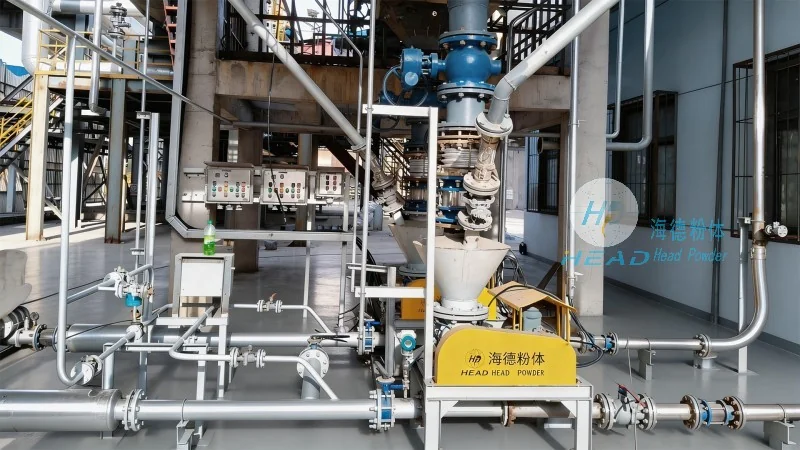
Understanding the Importance of Proper Conveying for Sweet Potato Starch
Sweet potato starch is a fine, powdery substance that can be sensitive to handling conditions. Improper conveying methods may lead to issues such as caking, agglomeration, or contamination, which can affect the final product's consistency and marketability. Therefore, selecting a conveying system that minimizes friction, maintains consistent flow, and prevents material degradation is essential. The choice of method often depends on factors like the starch's moisture content, particle size, production volume, and the distance it needs to be transported.
Common Conveying Methods for Sweet Potato Starch
Several conveying systems are commonly used in the sweet potato starch processing industry. Each method has its advantages and is suitable for different operational scenarios. The most prevalent options include mechanical conveyors, pneumatic (air-assisted) conveyors, and bucket elevators. Let's delve into each of these approaches to understand how they work and where they are best applied.
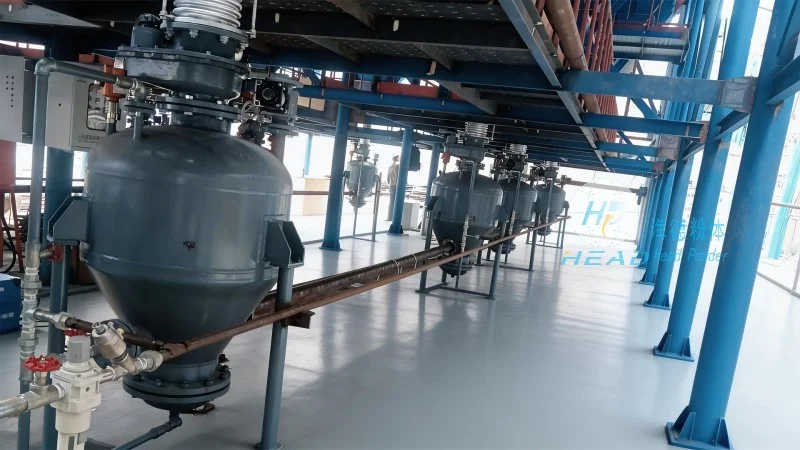
Mechanical Conveyors: A Reliable Traditional Option
Mechanical conveyors, such as belt conveyors and screw conveyors, are widely used for sweet potato starch conveying due to their reliability and simplicity. Belt conveyors use a continuous belt to transport starch from one point to another, making them ideal for horizontal or slight incline applications. They are particularly effective when handling large volumes of starch over moderate distances. The smooth surface of the belt minimizes friction, reducing the risk of material degradation and ensuring a consistent flow rate. Screw conveyors, also known as augers, are another common choice. They consist of a rotating screw inside a tube, which pushes the starch forward. Screw conveyors are well-suited for vertical or inclined transport and can handle a wide range of particle sizes, including fine starch powders. Both types of mechanical conveyors are easy to install and maintain, making them a cost-effective solution for many processing facilities.
Pneumatic Conveying: Air-Assisted Transport Solutions
Pneumatic conveying systems use air to transport sweet potato starch through a pipeline. This method is particularly advantageous for handling fine powders, as it minimizes product contact with equipment, reducing the risk of contamination and degradation. There are two main types of pneumatic conveyors: dilute-phase and dense-phase. Dilute-phase systems use low air velocity to move starch in a cloud-like state, suitable for short to medium distances and moderate volumes. Dense-phase systems, on the other hand, use higher air pressure and lower velocity to transport starch in a more concentrated form, which is ideal for longer distances and larger quantities. Pneumatic conveying offers advantages such as reduced labor costs, as it eliminates the need for manual handling, and the ability to integrate with other processing equipment. However, it requires careful control of air pressure and flow to prevent material blockages or system inefficiencies.
Bucket Elevators: Vertical Transport with Precision
For vertical or steep incline transport of sweet potato starch, bucket elevators are often employed. These systems consist of a continuous chain with buckets attached, which lift the starch from a lower level to a higher one. Bucket elevators are highly efficient for moving large volumes of material vertically and are particularly useful when space is limited or when the starch needs to be elevated to a significant height. They are designed to handle fine powders without clogging, thanks to the design of the buckets and the speed of the chain. However, bucket elevators may require more maintenance than other systems, as the moving parts are subject to wear and tear. Proper lubrication and regular inspection are essential to ensure the longevity and performance of a bucket elevator system.
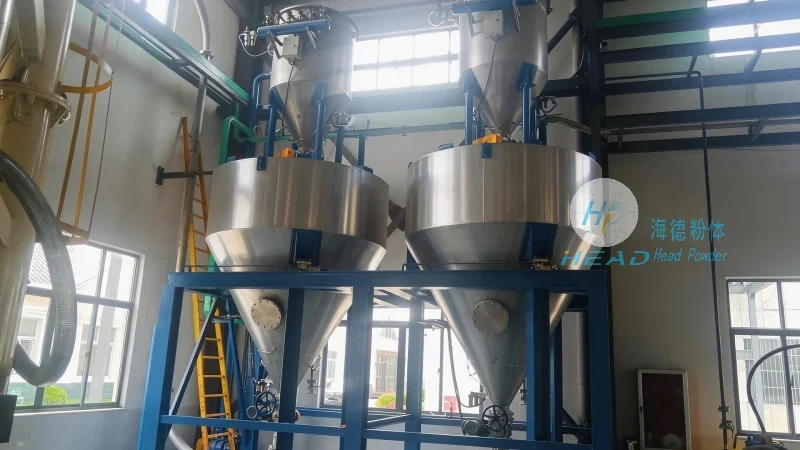
Factors to Consider When Choosing a Conveying System
When selecting a conveying method for sweet potato starch, several factors must be considered to ensure optimal performance and cost-effectiveness. The first is the starch's physical properties, including its moisture content, particle size distribution, and flowability. Starch with high moisture content may require a system that minimizes exposure to air to prevent caking, while very fine powders may need specialized equipment to avoid dust generation and blockages. The second factor is the production volume and throughput requirements. High-volume operations may benefit from mechanical or pneumatic systems with higher capacity, while smaller-scale operations might find screw conveyors or smaller pneumatic units more suitable. The third factor is the distance and elevation changes involved. Horizontal transport over short distances can be handled by belt conveyors, while longer distances or vertical lifts may require pneumatic or bucket elevator systems. Finally, the budget and maintenance considerations play a role. Mechanical systems are generally lower in initial cost and easier to maintain, while pneumatic systems may have higher energy costs but lower labor costs. The choice of system should be based on a thorough analysis of these factors to achieve the best balance between performance, cost, and operational efficiency.
Conclusion: Selecting the Right Conveying Method for Sweet Potato Starch
Efficient conveying of sweet potato starch is a critical step in the processing industry, directly impacting product quality and operational efficiency. By understanding the different conveying methods available and considering the specific needs of the operation, processors can choose the most suitable system. Mechanical conveyors offer reliability and simplicity, pneumatic systems provide air-assisted transport with reduced contamination risk, and bucket elevators excel in vertical transport. The key is to match the starch's characteristics and the operational requirements with the appropriate conveying technology. For businesses in the sweet potato starch industry, partnering with experienced manufacturers like Shandong HeadPowder Engineering Co., Ltd. can provide tailored solutions that address specific conveying challenges and enhance overall production capabilities. With the right equipment and system design, sweet potato starch can be transported safely and efficiently, ensuring consistent quality and meeting market demands.