Cobalt hydroxide, a critical chemical compound widely used in various industrial applications, often requires efficient and reliable material handling solutions. Pneumatic conveying, a method that uses pressurized air or gas to transport solid materials, has become a preferred choice for many industries dealing with cobalt hydroxide. This article explores the concept of cobalt hydroxide pneumatic conveying and delves into the key design principles that ensure its successful implementation.
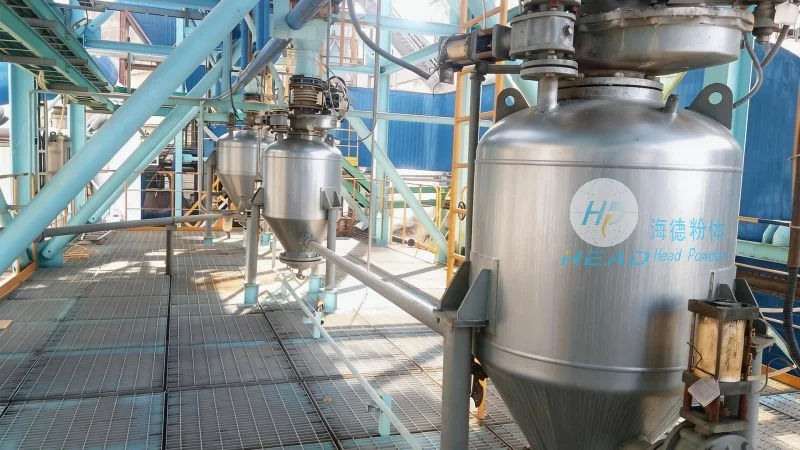
HeadPowder, a leading provider in the field, specializes in engineering solutions tailored to the unique requirements of handling cobalt hydroxide. With a strong presence in Shandong, China, the company leverages its expertise to design and implement pneumatic conveying systems that meet the highest standards of efficiency and safety. The following sections will outline the fundamental aspects of cobalt hydroxide pneumatic conveying and the design principles that underpin its operation.
Key Components of a Cobalt Hydroxide Pneumatic Conveying System
A pneumatic conveying system for cobalt hydroxide typically consists of several interconnected components that work in harmony to transport the material from its source to the destination. The primary components include the material feed system, the conveying line (which may be positive or negative pressure), the air or gas source, and the discharge equipment. Each component plays a crucial role in ensuring the smooth and efficient transfer of cobalt hydroxide.
The material feed system is responsible for introducing cobalt hydroxide into the conveying line. This can be achieved through various methods such as rotary valves, star feeders, or screw conveyors, depending on the specific characteristics of the material and the system requirements. The feed system must be designed to handle the bulk density and flow properties of cobalt hydroxide without causing blockages or uneven flow.
The conveying line is the core of the system, where the material is transported by the moving air or gas. Positive pressure systems use compressed air to push the material through the line, while negative pressure systems use vacuum to pull the material. The choice between these two depends on factors like the distance to be covered, the material's properties, and the overall system layout. For cobalt hydroxide, which is often a fine powder or granular material, positive pressure systems are commonly preferred due to their ability to handle high material loads and maintain consistent flow rates.
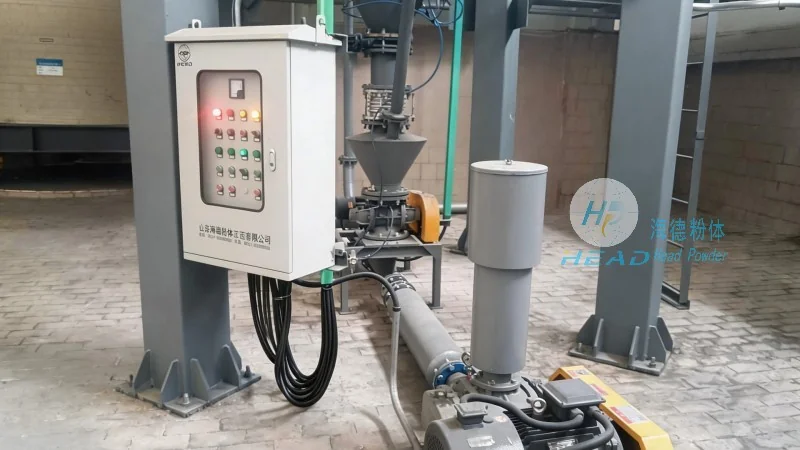
The air or gas source provides the necessary pressure or vacuum to drive the material through the conveying line. This can be achieved using compressors for positive pressure systems or vacuum pumps for negative pressure systems. The selection of the air source is critical, as it must be capable of delivering the required flow rate and pressure while maintaining energy efficiency. Additionally, the air quality is important to prevent contamination of the cobalt hydroxide, which may affect downstream processes.
The discharge equipment is responsible for releasing the cobalt hydroxide from the conveying line into the target container or process. This can include silos, hoppers, or other storage vessels. The design of the discharge system must ensure that the material is released smoothly and without causing dust or clogging. Proper sealing and material flow control are essential to maintain the integrity of the cobalt hydroxide and prevent any loss or contamination.
Design Principles for Efficient Cobalt Hydroxide Pneumatic Conveying
The design of a cobalt hydroxide pneumatic conveying system involves several key principles that ensure optimal performance, safety, and longevity. These principles are based on the physical properties of cobalt hydroxide and the requirements of the specific application. The following are the most important design considerations:
1. **Material Characteristics**: Cobalt hydroxide is typically a fine powder or granular material with specific bulk density, flowability, and particle size distribution. These characteristics directly impact the design of the feed system, conveying line, and discharge equipment. For example, a fine powder may require a more gentle feeding mechanism to avoid agglomeration, while a granular material may need a higher conveying velocity to prevent settling.
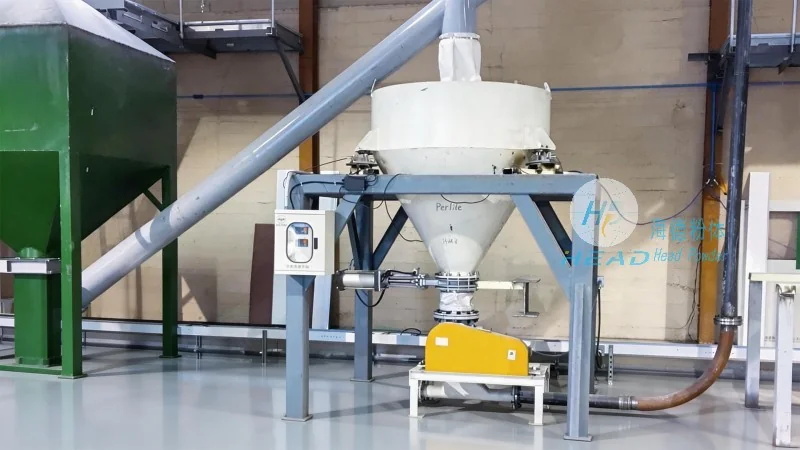
2. **System Pressure and Flow Rate**: The pressure and flow rate of the air or gas are critical parameters that determine the conveying capacity and distance. Higher pressure and flow rates allow for longer conveying distances and higher material loads. However, excessive pressure can lead to increased energy consumption and potential equipment wear. Therefore, the design must balance these factors to achieve the desired performance while minimizing operational costs.
3. **Conveying Line Design**: The design of the conveying line, including its diameter, length, and layout, is crucial for preventing material deposition and ensuring smooth flow. The line should be constructed from materials that are compatible with cobalt hydroxide to avoid chemical reactions or contamination. Additionally, the line should be equipped with appropriate fittings, such as elbows and bends, that minimize pressure losses and maintain the material's integrity.
4. **Air Quality and Filtration**: The air used in the pneumatic conveying system must be clean and free from contaminants that could affect the quality of cobalt hydroxide. Filtration systems are typically installed to remove dust, moisture, and other particles from the air. This not only protects the material but also extends the life of the system components, such as the air compressor and conveying line.
5. **Safety and Environmental Considerations**: Pneumatic conveying systems must be designed with safety in mind, especially when handling materials like cobalt hydroxide, which may have health or environmental implications. Proper ventilation, dust collection systems, and emergency shut-off mechanisms are essential to ensure the safety of operators and the environment. Additionally, the system should be designed to minimize energy consumption and reduce the carbon footprint, aligning with modern sustainability goals.
HeadPowder's Expertise in Cobalt Hydroxide Pneumatic Conveying
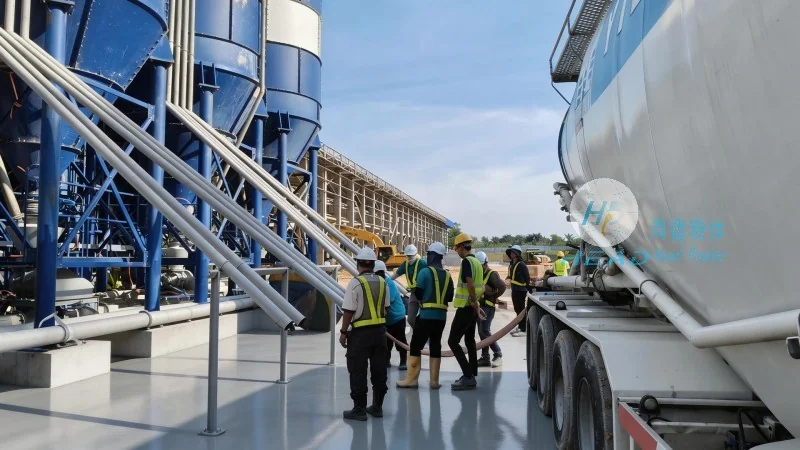
HeadPowder Engineering Co., Ltd., based in Shandong, China, is a trusted partner for businesses seeking reliable and efficient solutions for cobalt hydroxide handling. The company combines advanced engineering knowledge with practical experience to design customized pneumatic conveying systems that meet the unique needs of each client. By focusing on the key design principles outlined above, HeadPowder ensures that its systems deliver optimal performance, safety, and cost-effectiveness.
The company's team of experts works closely with clients to understand their specific requirements, from the characteristics of the cobalt hydroxide to the operational constraints of the facility. This collaborative approach allows HeadPowder to develop tailored solutions that maximize the efficiency of the pneumatic conveying process while minimizing downtime and maintenance costs. Whether it's a new installation or an upgrade to an existing system, HeadPowder provides comprehensive support throughout the entire project lifecycle.
HeadPowder's commitment to quality and innovation is reflected in its state-of-the-art facilities and rigorous testing procedures. The company adheres to international standards and continuously invests in research and development to stay at the forefront of pneumatic conveying technology. This dedication to excellence ensures that clients receive systems that are not only efficient but also reliable and sustainable.
In conclusion, cobalt hydroxide pneumatic conveying is a sophisticated process that requires careful consideration of design principles to achieve optimal results. With its expertise and dedication to quality, HeadPowder Engineering Co., Ltd. offers a comprehensive solution for handling cobalt hydroxide efficiently and safely. By adhering to the key design principles discussed in this article, businesses can ensure that their pneumatic conveying systems operate at peak performance, delivering the desired results while minimizing operational challenges.




