

What is the Pneumatic Conveying of Calcium Hydroxide Powder? What are the Design Principles?
Calcium hydroxide powder, commonly known as slaked lime, is widely used in various industrial applications such as water treatment, construction, and chemical manufacturing. The efficient and reliable transportation of this fine powder from storage to processing units is crucial for maintaining production efficiency and product quality. Pneumatic conveying has emerged as a preferred method for handling calcium hydroxide powder due to its ability to transport materials in a closed system, minimizing dust emissions and ensuring product integrity. This article explores the concept of pneumatic conveying for calcium hydroxide powder and delves into the fundamental design principles that underpin such systems.
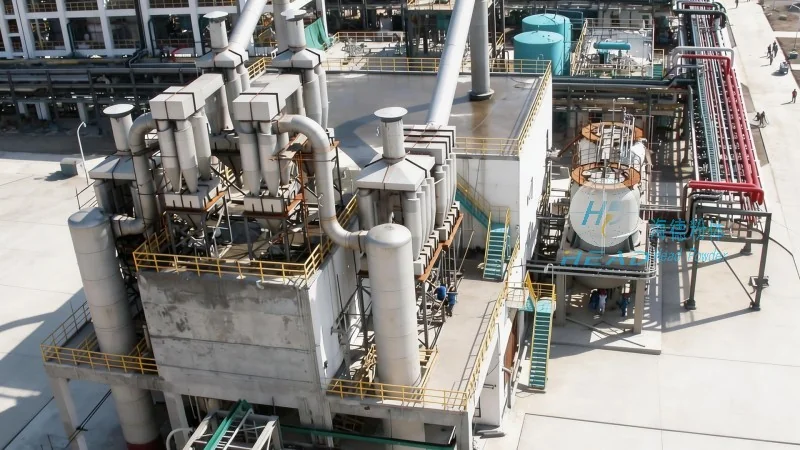
Introduction to Pneumatic Conveying of Calcium Hydroxide Powder
Pneumatic conveying involves the transport of solid particles, in this case, calcium hydroxide powder, using a gas stream, typically air. The process can be categorized into two main types: dilute-phase and dense-phase conveying. Dilute-phase systems operate at higher velocities, with particles suspended in the air stream, while dense-phase systems use lower velocities to form a slurry-like mixture. For calcium hydroxide powder, which is often fine and abrasive, a well-designed pneumatic conveying system is essential to prevent clogging, material degradation, and system inefficiencies.
Key Components of a Pneumatic Conveying System for Calcium Hydroxide Powder
A typical pneumatic conveying system for calcium hydroxide powder consists of several critical components that work in tandem to ensure smooth operation. These include:
1. Feed Hopper and Metering Device: The feed hopper stores the calcium hydroxide powder and feeds it into the system at a controlled rate. The metering device, such as a rotary valve or screw feeder, regulates the flow of powder to maintain consistent conveying rates.
2. Pneumatic Conveying Line: This is the main pipeline through which the powder and air mixture travels. The line is typically made of materials resistant to corrosion and abrasion, such as stainless steel or polyethylene, to withstand the chemical and physical properties of calcium hydroxide powder.
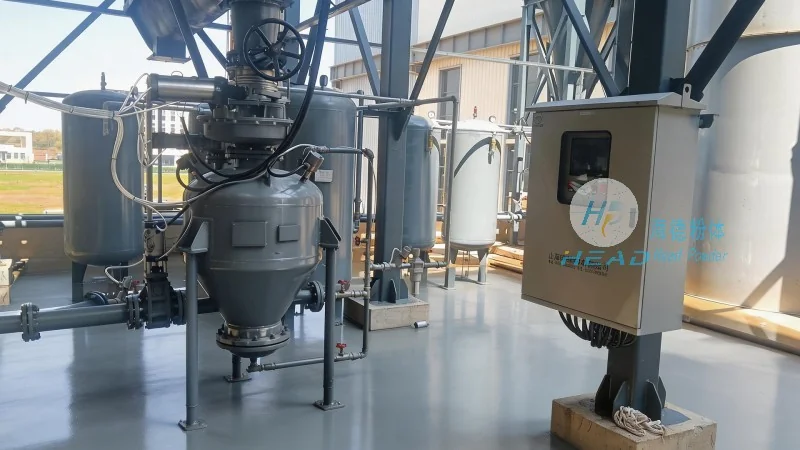
3. Air Supply System: Compressors or blowers generate the necessary air pressure to move the powder through the line. The air supply system must be capable of providing sufficient airflow and pressure to overcome the resistance in the conveying line and ensure efficient transport.
4. Control and Monitoring Equipment: Sensors and control valves are used to monitor pressure, flow rate, and other parameters, allowing for real-time adjustments to maintain optimal system performance. This includes pressure transducers, flow meters, and control panels that ensure the system operates within safe and efficient limits.
Design Principles for Calcium Hydroxide Powder Pneumatic Conveying Systems
The design of a pneumatic conveying system for calcium hydroxide powder requires careful consideration of several key principles to ensure reliability, efficiency, and longevity. These principles include:
1. Particle Size and Flowability: Calcium hydroxide powder is often fine and has a tendency to agglomerate. The design must account for the particle size distribution and flow properties to prevent blockages and ensure consistent feeding. Proper conditioning, such as adding a small amount of moisture or using a fluidizer, may be necessary to improve flowability.
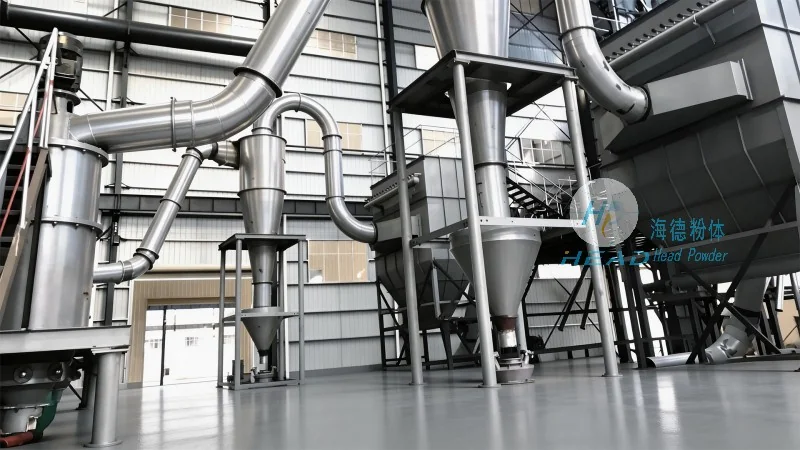
2. System Pressure and Velocity: The pressure and velocity of the air stream are critical parameters. Higher velocities are needed for dilute-phase systems to keep particles suspended, while lower velocities are used in dense-phase systems to minimize particle breakage. The design must balance these factors to achieve the desired conveying efficiency without causing excessive wear on components.
3. Material Compatibility: The materials used in the system components must be compatible with calcium hydroxide powder. This includes resistance to chemical corrosion from the powder and abrasion from its fine particles. Stainless steel, high-density polyethylene, and specialized coatings are commonly used to ensure long-term system performance.
4. System Layout and Piping Design: The layout of the conveying line, including the number of bends, vertical and horizontal runs, and the placement of components, significantly impacts system efficiency. Proper piping design minimizes pressure losses and ensures uniform flow distribution. The use of straight runs and gradual bends, rather than sharp angles, helps reduce particle impact and wear on the pipeline.
Benefits of Pneumatic Conveying for Calcium Hydroxide Powder
Implementing a well-designed pneumatic conveying system for calcium hydroxide powder offers several advantages over traditional methods like bucket elevators or belt conveyors. These benefits include:
1. Reduced Dust and Environmental Impact: Pneumatic conveying operates in a closed system, effectively containing dust and minimizing environmental pollution. This is particularly important for calcium hydroxide powder, which can be a respiratory irritant.
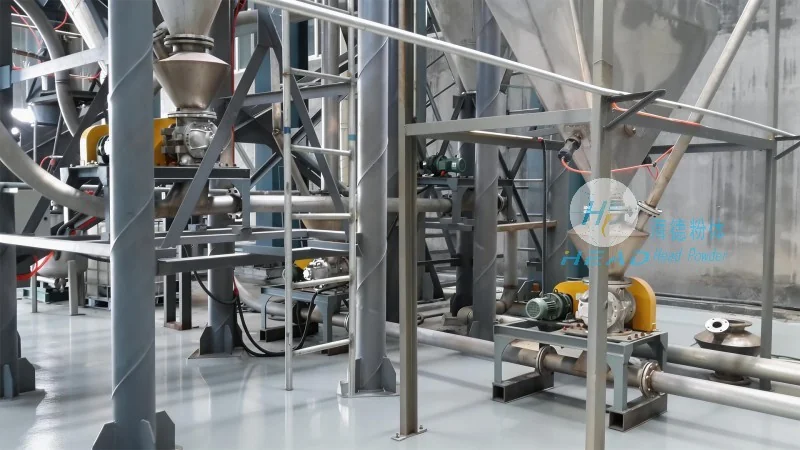
2. Improved Product Quality: The closed system prevents contamination from external sources and reduces the risk of material degradation due to exposure to air or moisture. This ensures that the calcium hydroxide powder reaches the processing unit in its intended state.
3. Enhanced Safety: By eliminating the need for manual handling and open storage, pneumatic conveying reduces the risk of accidents and exposure to hazardous materials. The system also minimizes the risk of dust explosions by maintaining a controlled environment.
4. Increased Efficiency and Flexibility: Pneumatic conveying systems can be easily integrated with existing production lines and can handle varying powder flow rates. They also allow for flexible routing of the conveying line, enabling the transport of powder to multiple destinations from a single source.
Conclusion
Pneumatic conveying is a highly effective method for transporting calcium hydroxide powder, offering numerous benefits in terms of efficiency, safety, and product quality. The design of such a system requires a thorough understanding of the material properties, system components, and operational principles. By adhering to the key design principles outlined above, manufacturers can ensure the reliable and efficient operation of pneumatic conveying systems for calcium hydroxide powder. As a leading provider in this field, Shandong HeadPowder Engineering Co., Ltd. specializes in the design and implementation of advanced pneumatic conveying solutions tailored to the specific needs of industrial applications.