

Key Design Points for a Sulfate Alumina Pneumatic Conveying System
When designing a pneumatic conveying system for sulfate alumina, several critical factors must be considered to ensure efficiency, reliability, and safety. This article outlines key design considerations for such systems, providing insights into the technical and practical aspects of implementing an effective material handling solution.
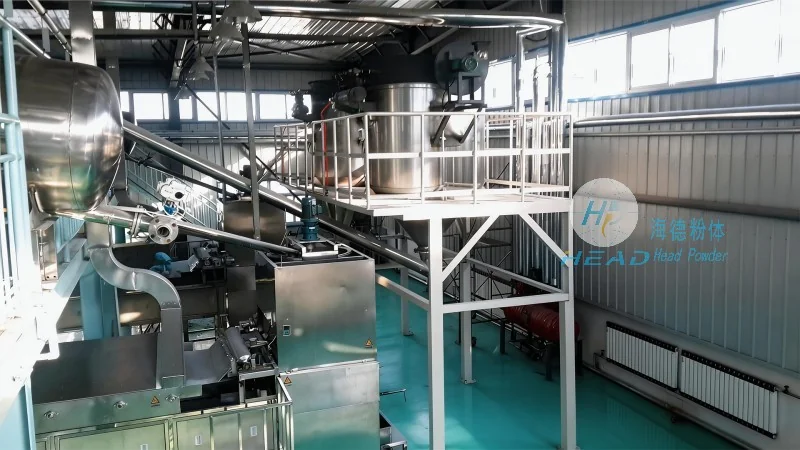
Introduction to Sulfate Alumina Pneumatic Conveying Systems
Sulfate alumina, also known as aluminum sulfate, is a widely used chemical in water treatment, paper manufacturing, and other industrial processes. Pneumatic conveying systems offer a flexible and efficient method for transporting this material from storage to processing units. However, the unique properties of sulfate alumina—such as its granular nature, moisture content, and potential for dust generation—require specialized design approaches to prevent system blockages, ensure consistent flow, and maintain operational safety.
Company Overview: Shandong HeadPowder Engineering Co., Ltd.
Shandong HeadPowder Engineering Co., Ltd., commonly known as HeadPowder, is a leading engineering firm based in Shandong, China. With years of experience in material handling and process engineering, HeadPowder specializes in designing and implementing pneumatic conveying systems tailored to the specific needs of industrial clients. The company’s expertise lies in integrating advanced technology with practical solutions to deliver reliable, high-performance systems for handling sulfate alumina and other bulk materials.
Key Design Considerations for Pneumatic Conveying Systems
The success of a sulfate alumina pneumatic conveying system hinges on meticulous planning and execution. Key design points include system type selection, pipeline design, material selection, and control mechanisms. For instance, the choice between positive pressure and negative pressure systems depends on the material’s properties and the distance to be conveyed. Positive pressure systems, which blow air into the pipeline, are often preferred for handling sulfate alumina due to their ability to maintain consistent flow and prevent material degradation.
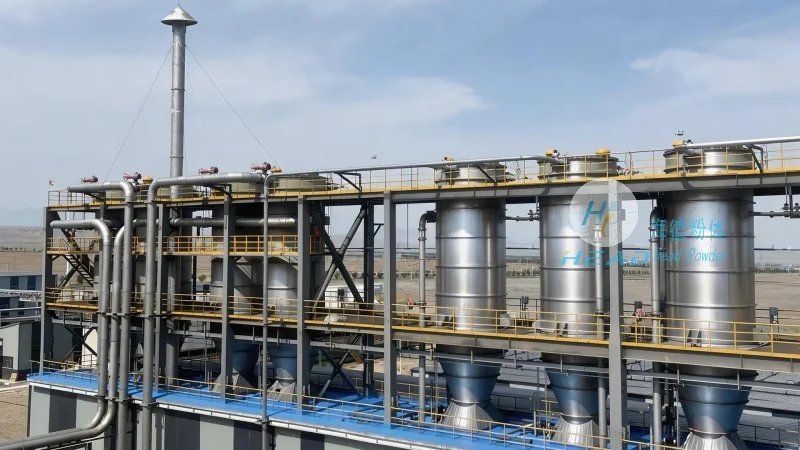
Pipeline design is another critical aspect. The diameter, length, and layout of the conveying lines must be optimized to minimize pressure drop and avoid blockages. HeadPowder engineers typically use computational fluid dynamics (CFD) simulations to model the flow of sulfate alumina particles in the system, ensuring that the pipeline dimensions are appropriate for the material’s velocity and density. Additionally, the use of smooth, corrosion-resistant materials—such as stainless steel or special coatings—helps prevent material buildup and maintain system longevity.
Material selection for components like pumps, valves, and filters is equally important. Sulfate alumina can be abrasive and corrosive, so components must be constructed from durable materials that can withstand repeated exposure. HeadPowder often recommends high-quality stainless steel or specialized alloys for critical parts, ensuring long-term performance and reducing maintenance costs.
Material Handling and System Integration
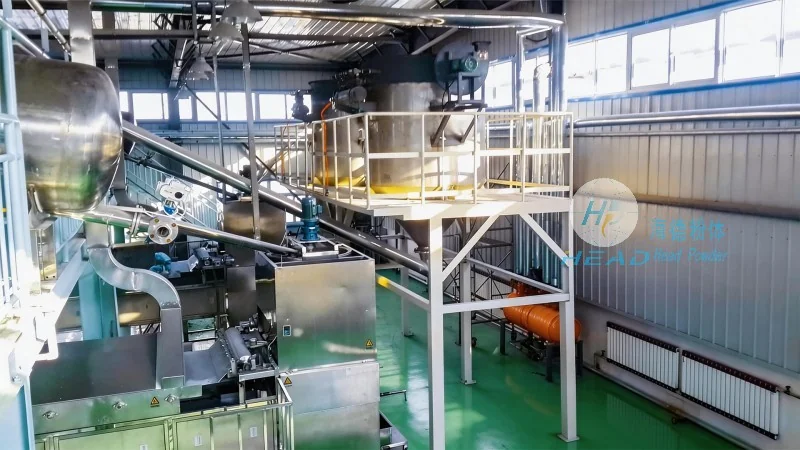
The physical characteristics of sulfate alumina, including particle size distribution, moisture content, and bulk density, directly impact system design. For example, finer particles may require higher air velocities to maintain flow, while larger particles may need larger pipeline diameters to prevent clogging. HeadPowder’s engineers conduct thorough material analysis to determine the optimal conveying velocity and system configuration. This analysis also helps in integrating the pneumatic conveying system with existing production lines, ensuring seamless operation and minimal disruption to the overall process.
Safety and Compliance in Pneumatic Conveying
Safety is a top priority when handling sulfate alumina, as it can pose dust explosion risks and other hazards. HeadPowder designs systems with comprehensive safety features, including explosion-proof components, dust collection systems, and emergency shutdown mechanisms. The system is also designed to comply with local and international safety standards, such as those set by the American Society of Mechanical Engineers (ASME) and the International Fire Code (IFC). Regular maintenance and operational checks are recommended to ensure ongoing safety and compliance.
Customization and Project Execution
Every pneumatic conveying system for sulfate alumina is unique, as each client has specific requirements regarding capacity, distance, and integration with existing equipment. HeadPowder follows a systematic approach to project execution, starting with a detailed site survey and material analysis. The design phase involves collaboration with the client to define system specifications, followed by engineering, manufacturing, and installation. The company provides comprehensive support, including training for operators and ongoing maintenance services, to ensure the system operates at peak efficiency throughout its lifecycle.