When designing a polyethylene pneumatic conveying system, several key factors must be carefully considered to ensure optimal performance, efficiency, and reliability. The process involves a comprehensive evaluation of material properties, system requirements, and operational conditions to develop a tailored solution that meets specific industrial needs.
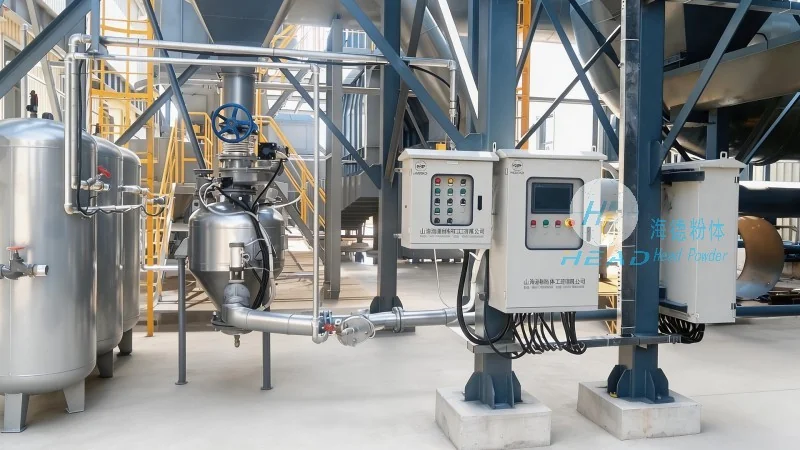
System Design Fundamentals for Polyethylene Handling
Polyethylene, a widely used thermoplastic, presents unique challenges in pneumatic conveying due to its low bulk density (typically 0.9-0.95 g/cm³) and variable particle size, ranging from fine powders to larger pellets. Effective system design begins with an accurate assessment of the material's flow characteristics, including its density, moisture content (which can affect flowability), and abrasiveness (which impacts component wear). These parameters directly influence the selection of air velocity, pipeline diameter, and pressure levels required for successful material transport. Engineers at Shandong HeadPowder Engineering Co., Ltd. leverage advanced computational fluid dynamics (CFD) simulations and material testing to analyze these variables, ensuring that the system is optimized for the specific polyethylene grade being handled. For example, higher air velocities may be required for fine powders to prevent settling, while larger pellets may necessitate lower velocities to avoid excessive wear on the pipeline and components.
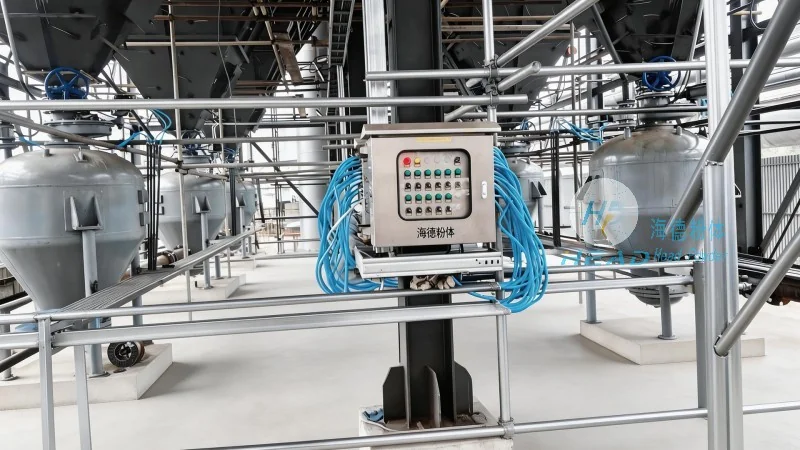
Key Components and Their Roles in the Conveying Process
The core components of a polyethylene pneumatic conveying system include the hopper, feeder, air compressor, pipeline network, and collection vessel. Each component plays a critical role in maintaining the integrity and efficiency of the process. The hopper is designed to store and feed the polyethylene material in a controlled manner, preventing bridging or segregation. The feeder, typically a rotary valve or screw feeder, regulates the material flow rate to match the system's air capacity. The air compressor generates the necessary pressure to move the material through the pipeline, with the compressor type (positive displacement or centrifugal) selected based on the system's pressure and flow requirements. The pipeline network, constructed from materials resistant to polyethylene's chemical properties (such as stainless steel or specialized plastics), ensures minimal wear and corrosion. Finally, the collection vessel safely receives the conveyed material, often equipped with a dust collection system to maintain air quality and prevent material loss.
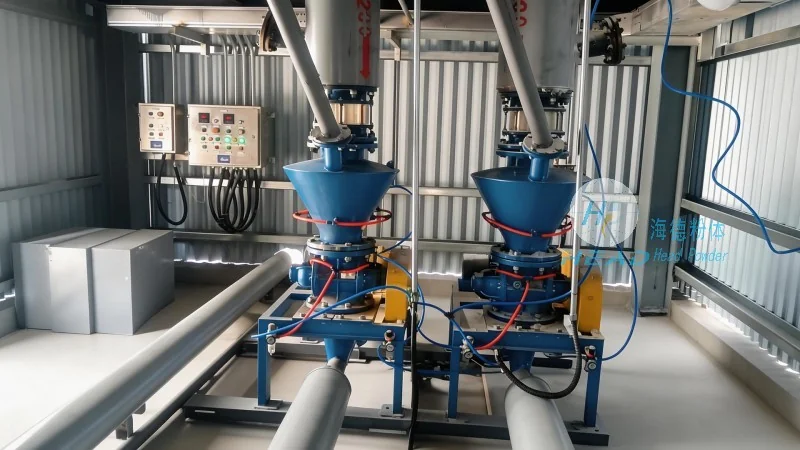
Material Handling Challenges and Solutions
Polyethylene's low bulk density and tendency to form agglomerates can lead to system inefficiencies if not properly addressed. To mitigate these issues, system designers incorporate features such as pre-drying, agglomerate breaking, and vibration systems. Pre-drying removes moisture from the material, which can otherwise cause blockages or reduce conveying efficiency. Agglomerate breaking devices, like high-velocity air jets or mechanical breakers, ensure that particles are small enough to be effectively conveyed. Vibration systems in the hopper and feeder help maintain material flow by preventing stagnation. Additionally, the use of flexible connectors and expansion joints in the pipeline network accommodates thermal expansion and reduces stress on the system components.
System Integration and Customization for Industrial Applications
Shandong HeadPowder Engineering Co., Ltd. specializes in customizing polyethylene pneumatic conveying systems to suit diverse industrial applications, including plastic manufacturing, packaging, and chemical processing. The company's approach involves a collaborative design process with clients, where specific operational constraints and performance goals are identified. This includes considerations such as the required conveying distance, material throughput (ranging from low to high volume), and environmental regulations (e.g., dust control requirements). By integrating advanced control systems, the company ensures that the system operates at peak efficiency, with real-time monitoring of pressure, flow, and material levels. The control system may include programmable logic controllers (PLCs) and human-machine interfaces (HMIs) that allow operators to adjust parameters dynamically, adapting to changes in material characteristics or production demands. For instance, in a plastic manufacturing plant, the system may be designed to handle high volumes of polyethylene pellets over long distances, with automated controls that adjust air pressure and flow rate based on production schedules.
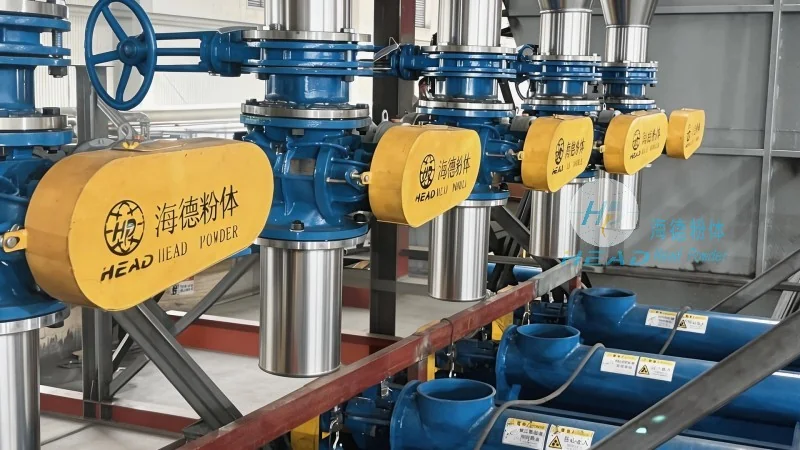
Ensuring Reliability and Maintenance for Long-Term Operation
Reliability is a top priority in polyethylene pneumatic conveying system design. Regular maintenance and preventive measures are essential to minimize downtime and extend the system's lifespan. Key maintenance tasks include cleaning the pipeline and hopper to prevent material buildup, inspecting the air compressor and feeder for wear, and replacing worn components such as seals and filters. The company provides comprehensive maintenance plans tailored to the system's usage and operational environment, ensuring that potential issues are addressed before they lead to system failures. Additionally, the use of high-quality materials and robust construction in the system components contributes to long-term reliability, reducing the need for frequent repairs and replacements. For example, stainless steel pipelines are chosen for their resistance to corrosion and abrasion from polyethylene particles, while high-efficiency air compressors are selected to minimize energy consumption and extend operational life.




