PPR (Polypropylene Resin) powder material pneumatic conveying machines represent a critical component in the plastics processing sector, engineered to facilitate the efficient and safe transportation of polypropylene resin powders. These systems are designed to handle the unique challenges associated with polypropylene resin, including its fine particle size, low bulk density, and potential for static electricity, ensuring stable and reliable material flow. The operation of these machines is based on the principle of pneumatic conveying, where air is used as the medium to move the powder through a pipeline network. This approach offers several advantages over traditional mechanical conveying methods, such as reduced equipment wear, lower maintenance costs, and improved safety by eliminating the need for moving parts in the material path.
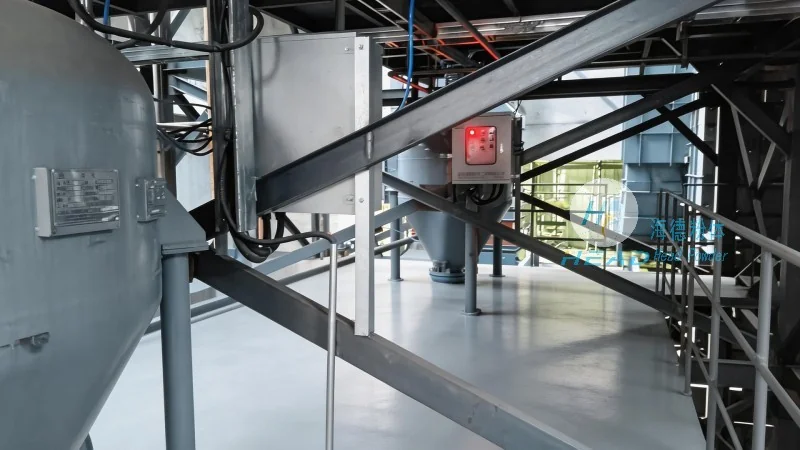
Key Components of PPR Resin Powder Pneumatic Conveying Systems
The PPR resin powder pneumatic conveying machine typically consists of several key components that work in tandem to achieve effective material transport. These components include a material hopper, a rotary airlock valve, a conveying pipeline, a dust collector, and a fan or blower. The material hopper serves as the storage and feeding unit, where the PPR resin powder is loaded and prepared for transport. The hopper is equipped with a level indicator to monitor the powder volume, ensuring that the system operates at optimal capacity. The rotary airlock valve, located at the discharge end of the hopper, controls the flow of powder into the conveying pipeline, preventing backflow and ensuring a consistent feed rate. The conveying pipeline is the main pathway for the powder and air mixture, often made of materials like stainless steel or plastic to withstand the abrasive nature of the resin powder and the effects of air pressure. The dust collector is an essential safety and environmental component, designed to capture any airborne particles and return them to the system, maintaining a clean and safe working environment. The fan or blower provides the necessary air pressure and flow rate to drive the powder through the pipeline, with adjustable settings to accommodate different material characteristics and system requirements.
Operation Process of PPR Resin Powder Pneumatic Conveying Machine
The operation process of a PPR resin powder pneumatic conveying machine involves several sequential steps, each critical to the efficient and safe transport of the material. The process begins with the loading of PPR resin powder into the material hopper. The hopper’s level indicator monitors the powder volume, ensuring optimal capacity. Once filled, the rotary airlock valve opens, allowing powder to enter the conveying pipeline. Simultaneously, the fan or blower activates, generating required air pressure and flow rate. The air and powder mixture travels through the pipeline, with air velocity sufficient to keep powder particles suspended and move them to the destination (e.g., storage silo or processing unit). At the receiving end, powder is discharged into the target container, and air is filtered and recirculated via the dust collector. The entire process is controlled by a programmable logic controller (PLC) or similar system, monitoring parameters like air pressure, flow rate, and powder level to adjust operation as needed. This automation ensures consistent performance, minimizing downtime and maximizing productivity.
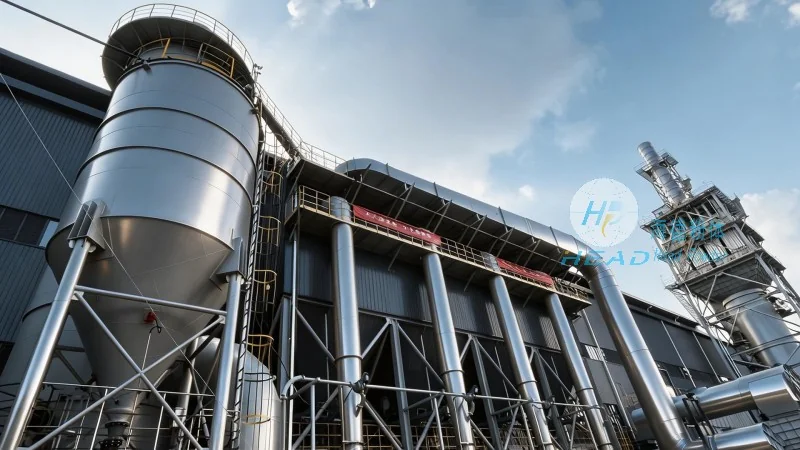
Working Principle of PPR Resin Powder Pneumatic Conveying Machine
The working principle of a PPR resin powder pneumatic conveying machine is based on pneumatic transport, where material is carried by a moving air stream. The system operates under positive pressure, with pipeline air pressure higher than ambient, maintaining stable flow and preventing air leakage. The key to effective conveying is achieving the correct air-to-powder ratio— the ratio of air volume to powder volume. This ratio determines air stream velocity and the ability to keep powder particles suspended. If air velocity is too low, powder settles and causes blockages; too high, it leads to excessive energy use and equipment damage. The system optimizes this ratio based on PPR resin characteristics (particle size, density, moisture content). The rotary airlock valve at the discharge end controls powder discharge rate, preventing overloading of receiving equipment and maintaining smooth flow. The dust collector is vital for air quality, preventing dust emissions and ensuring compliance with environmental regulations and operator safety.
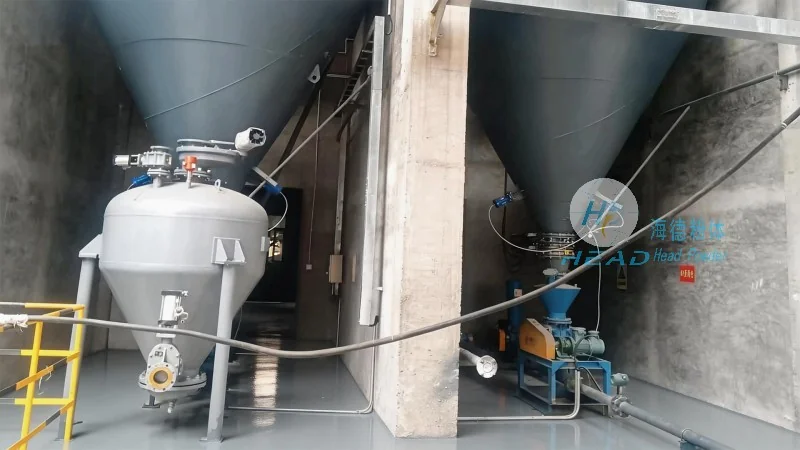
Advantages of PPR Resin Powder Pneumatic Conveying Machine
PPR resin powder pneumatic conveying machines offer several advantages over traditional mechanical conveying methods. Primary benefits include reduced equipment wear and maintenance costs, as the material is transported through a pipeline without direct contact with mechanical parts, minimizing wear and extending service life. Improved safety features are another key advantage, as the absence of moving parts eliminates risks of mechanical failure or entanglement, reducing accident potential. The system also handles materials difficult for mechanical conveyors—such as fine powders with low bulk density prone to caking or bridging—by maintaining stable flow. Flexible system design allows pipeline configuration for multiple destinations or sources, providing operational flexibility. Integration with other processing equipment (e.g., mixers, extruders) forms a complete production line, enhancing efficiency and reducing manual handling errors.
Application Scenarios of PPR Resin Powder Pneumatic Conveying Machine
PPR resin powder pneumatic conveying machines are widely used in industrial applications requiring efficient polypropylene resin handling. Common uses include transporting resin from storage silos to processing units (e.g., extruders, injection molding machines) in the plastics manufacturing industry, ensuring continuous and stable supply for production rates and quality. In the chemical industry, they transport PPR resin as a raw material for plastic product production, minimizing contamination risk and ensuring consistent material quality. The packaging industry also utilizes them for producing plastic films and containers, enabling smooth production line operation with minimal downtime and high output. Overall, the PPR resin powder pneumatic conveying machine is a versatile and reliable solution for transporting polypropylene resin powders, meeting demands of various industrial sectors with advanced design and operational capabilities.




