

Introduction to Silage Handling Systems and the Advantages of Silage Pneumatic Conveying
Efficient and reliable silage handling is crucial for modern agricultural operations, ensuring that feed is delivered to livestock in a timely and hygienic manner. The silage handling system, particularly the pneumatic conveying technology, has become a cornerstone in optimizing feed management processes. This article provides an overview of silage handling systems and highlights the key advantages of using pneumatic conveying for silage transport.
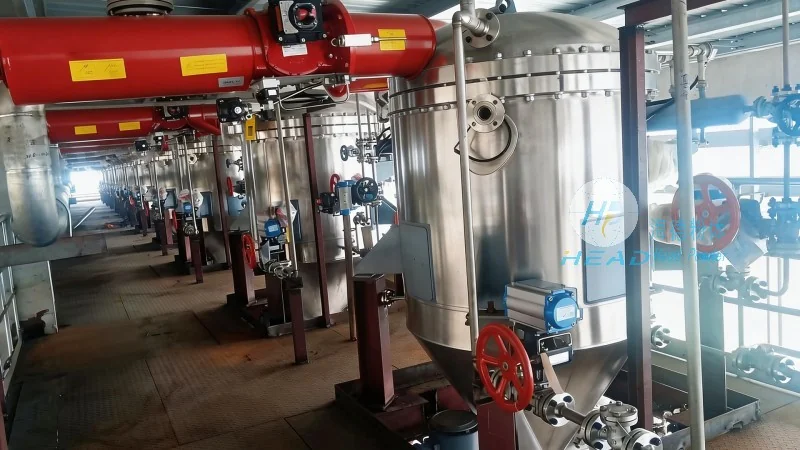
Understanding Silage Handling Systems
Silage is a fermented forage that serves as a vital feed source for cattle, horses, and other livestock. The handling of silage involves several steps, from harvesting and chopping to storage and distribution. A well-designed silage handling system integrates various components to streamline these processes, enhancing overall farm productivity. Key elements of a silage handling system typically include forage harvesters, choppers, storage silos or bunkers, and transport mechanisms. Each component plays a critical role in maintaining the quality and nutritional value of the silage throughout the handling process.
Pneumatic Conveying Technology in Silage Handling
Pneumatic conveying, also known as air-based or air-assisted transport, is a method that uses pressurized air to move bulk materials like silage through a pipeline system. This technology offers several advantages over traditional mechanical conveying methods, such as screw conveyors or belt conveyors. The primary benefit of pneumatic conveying is its ability to transport silage over long distances with minimal labor and maintenance requirements. By utilizing air pressure to move material, the system reduces the risk of contamination and preserves the freshness of the silage, which is essential for maintaining animal health and feed quality.
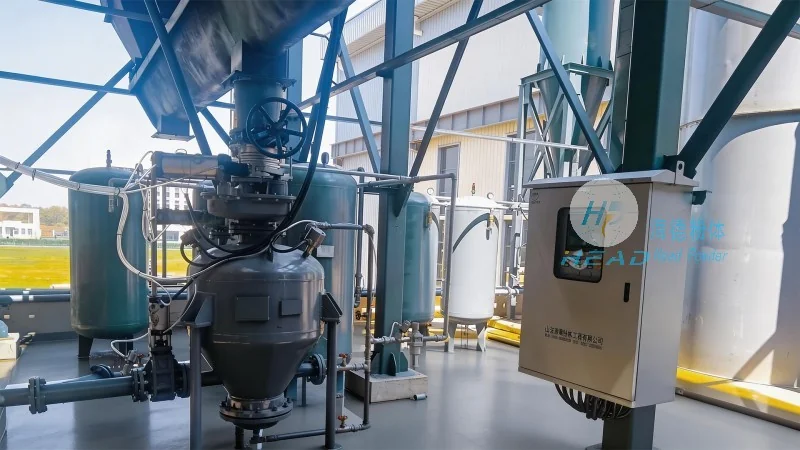
Advantages of Silage Pneumatic Conveying
One of the most significant advantages of pneumatic conveying for silage is its high efficiency and speed. Unlike mechanical systems that may experience blockages or require frequent adjustments, pneumatic conveyors can handle varying silage consistencies and flow rates without interruption. This flexibility allows farms to adapt to different harvesting schedules and feed demand patterns, ensuring a consistent supply of silage to livestock. Additionally, pneumatic conveying systems are highly scalable, making them suitable for both small-scale and large-scale agricultural operations. Whether a farm needs to transport silage from a silo to a feeding station or distribute it across multiple barns, pneumatic conveying can be customized to meet specific requirements.
Enhanced Hygiene and Reduced Labor Costs
Another critical advantage of silage pneumatic conveying is improved hygiene and reduced labor costs. Traditional mechanical conveyors often require manual intervention to clear blockages or adjust settings, which can introduce contaminants into the feed. In contrast, pneumatic systems operate with minimal human contact, reducing the risk of cross-contamination and maintaining the sanitary conditions necessary for high-quality silage. This not only enhances animal health but also lowers operational costs by minimizing labor requirements and equipment downtime. The automated nature of pneumatic conveying also allows farmers to focus on other critical aspects of farm management, such as animal care and production planning.
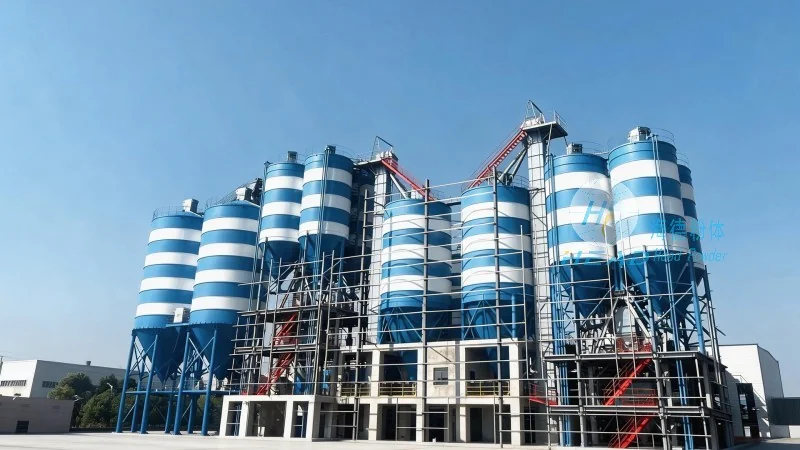
Flexibility and Adaptability in Silage Handling
Pneumatic conveying systems offer unparalleled flexibility in silage handling, allowing for easy integration with existing farm infrastructure. These systems can be designed to work with various types of silos, including vertical and horizontal storage units, and can be expanded or modified as farm operations grow. The ability to route the conveying system through different parts of the farm, such as from a silo to a feeding area or to multiple barns, provides farmers with the versatility needed to optimize feed distribution. Furthermore, pneumatic conveying can be combined with other technologies, such as automated feeding systems, to create a comprehensive feed management solution that enhances overall farm efficiency.
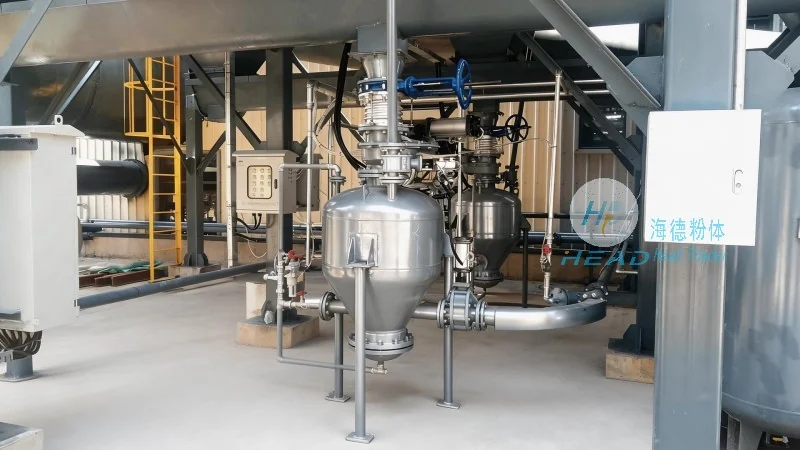
Environmental Benefits and Sustainability
Modern silage handling systems, particularly those utilizing pneumatic conveying, contribute to environmental sustainability and operational efficiency. By reducing the need for heavy machinery and manual labor, these systems lower fuel consumption and emissions, making them more environmentally friendly. Additionally, the efficient transport of silage minimizes waste and ensures that feed is used effectively, reducing the environmental impact of feed production. The use of pneumatic conveying also supports sustainable agricultural practices by preserving the nutritional value of silage, which is essential for maintaining livestock health and productivity. This aligns with the growing demand for eco-friendly farming methods and positions farms as responsible stewards of the environment.
Conclusion
In conclusion, the introduction of advanced silage handling systems, particularly those incorporating pneumatic conveying technology, has revolutionized the way agricultural operations manage feed for livestock. The advantages of efficiency, hygiene, flexibility, and sustainability make pneumatic conveying an ideal solution for modern farms. By leveraging the expertise of companies like Shandong HeadPowder Engineering Co., Ltd., farms can implement effective silage handling systems that enhance productivity, reduce costs, and ensure the well-being of their animals. As the agricultural industry continues to evolve, the adoption of such advanced technologies will remain crucial in maintaining competitiveness and meeting the demands of modern livestock production.