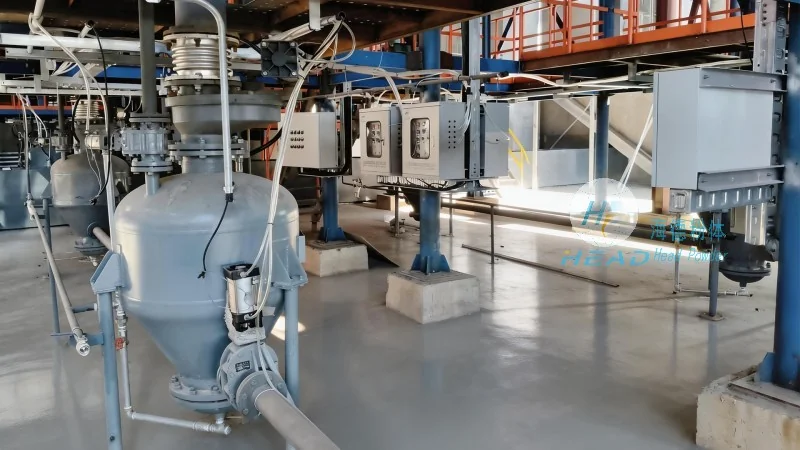
HeadPowder, a leading manufacturer based in Shandong, China, specializes in the design and production of advanced pneumatic conveying systems tailored for the handling of sanding powder materials. This article provides a detailed overview of the operation process and working principle of such equipment, highlighting its efficiency, reliability, and key components that ensure optimal material transport.
Introduction to Pneumatic Conveying for Sanding Powder
Sanding powder, commonly used in woodworking, metalworking, and surface finishing industries, requires specialized handling due to its fine particle size and potential for dust generation. Traditional methods like bucket elevators or belt conveyors may not be suitable for such materials, as they can lead to material degradation, increased maintenance, and poor dust control. Pneumatic conveying systems offer a solution by utilizing air pressure to transport powders in a closed system, minimizing contamination and ensuring a clean, efficient process.
Key Components of the Pneumatic Conveying System
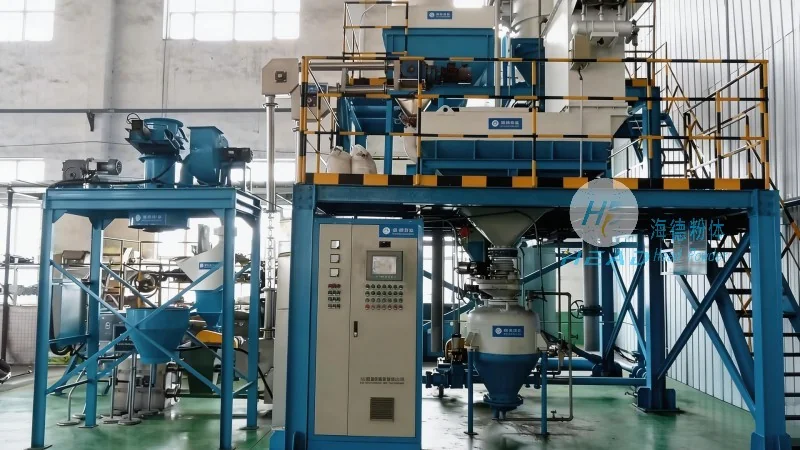
The pneumatic conveying equipment for sanding powder typically consists of several critical components that work in tandem to achieve effective material transport. These include the hopper, which serves as the storage and feeding unit; the air compressor or blower, responsible for generating the necessary air pressure; the conveying line, which transports the material; and the discharge unit, where the material is released. Each component plays a vital role in maintaining the system's performance and ensuring smooth operation.
The Operation Process: Step-by-Step
The operation of the pneumatic conveying system for sanding powder follows a systematic sequence that ensures consistent and reliable material handling. The process begins with the material being fed into the hopper from the storage silo. A feeder, often a rotary valve or a screw feeder, controls the flow rate of the sanding powder into the conveying line. Simultaneously, the air compressor or blower generates a high-pressure air stream that is introduced into the conveying line. The air stream creates a negative pressure or positive pressure environment, depending on the system design, which draws the sanding powder particles into the line.
As the material travels through the conveying line, it is suspended in the air stream and transported to the discharge point. The velocity of the air and the particle size determine the optimal conveying velocity to prevent material deposition or blockages. The discharge unit, such as a rotary valve or a venturi, regulates the release of the sanding powder into the next processing stage or storage container. The system may also include filters and dust collectors to capture any airborne particles and maintain a clean working environment.
Working Principle: How It Works
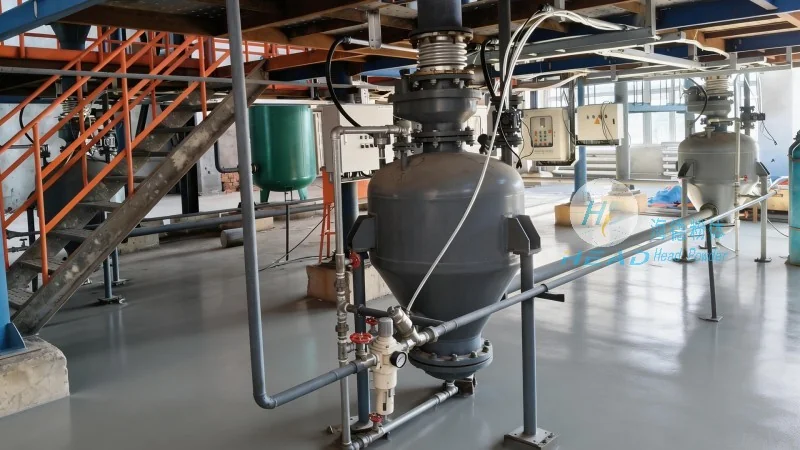
The working principle of the pneumatic conveying system relies on the fundamental physics of fluid dynamics and particle motion. The system operates on the principle of air movement, where the air compressor provides the energy to move the sanding powder particles. In a positive pressure system, the air is forced through the conveying line, pushing the material forward. In a negative pressure (or vacuum) system, the air is drawn from the discharge end, creating a suction that pulls the material through the line. The choice between positive and negative pressure depends on factors such as the distance to be covered, the material characteristics, and the system layout.
Key factors influencing the conveying efficiency include the air velocity, which must be sufficient to keep the particles suspended without causing excessive wear on the system components. The particle size and density of the sanding powder also affect the system's performance, as finer particles may require higher air velocities for effective transport. The system's design, including the diameter and length of the conveying line, the type of feeder, and the discharge mechanism, all contribute to the overall efficiency and reliability of the operation.
Advantages of Pneumatic Conveying for Sanding Powder
Pneumatic conveying systems offer several advantages over traditional material handling methods, making them ideal for sanding powder applications. These include the ability to handle fine powders without degradation, reduced risk of contamination due to enclosed systems, and improved dust control, which enhances workplace safety and compliance with environmental regulations. Additionally, the system's flexibility allows for easy integration with existing production lines and the ability to transport materials over long distances with minimal energy consumption compared to other methods.
Maintenance and Operational Considerations
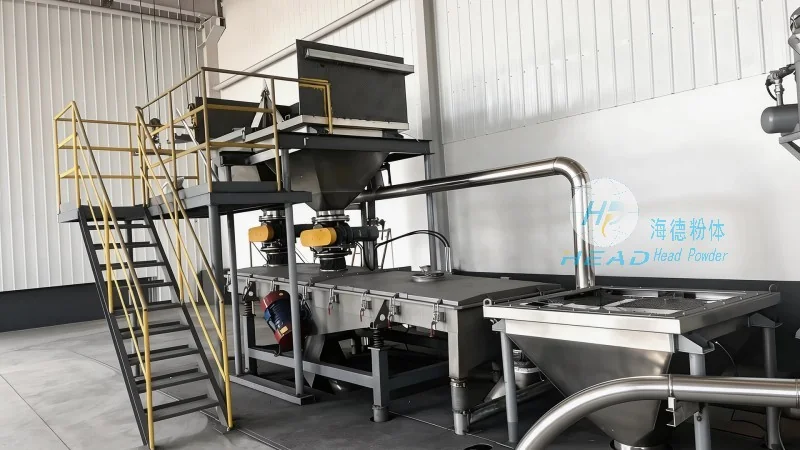
To ensure the long-term performance and reliability of the pneumatic conveying equipment, regular maintenance is essential. This includes checking the air compressor or blower for proper operation, inspecting the conveying line for blockages or wear, and cleaning the filters and dust collectors to maintain efficient air flow. Proper maintenance helps prevent system downtime, reduces energy consumption, and extends the lifespan of the equipment. Additionally, operators should monitor the system's performance parameters, such as air pressure and material flow rate, to identify any deviations and address them promptly.
Conclusion
HeadPowder's pneumatic conveying equipment for sanding powder materials represents a sophisticated solution for efficient and reliable material handling in various industrial applications. By understanding the operation process and working principle of such systems, users can optimize their production processes, enhance safety, and reduce operational costs. With its advanced design and robust construction, this equipment is a valuable asset for businesses seeking to improve their material handling capabilities and maintain high standards of quality and efficiency.




