For industrial applications requiring the efficient and reliable transport of cement particles, pneumatic conveying systems offer a sophisticated solution. The operation process and working principle of a cement particle material pneumatic conveying machine are critical to understanding its functionality and benefits. This article provides a detailed overview of how such equipment operates, emphasizing the technical aspects and practical applications in material handling.
About Shandong HeadPowder Engineering Co., Ltd.
Shandong HeadPowder Engineering Co., Ltd., commonly known as HeadPowder, is a leading manufacturer specializing in the design, development, and supply of advanced material handling equipment. With a strong focus on innovation and quality, the company serves a diverse range of industries, including cement production, chemical processing, and food processing. HeadPowder's expertise in pneumatic conveying technology ensures that their products meet the highest standards of performance and durability. The company is headquartered in Shandong, China, where it leverages local resources and expertise to deliver tailored solutions for global clients.
Working Principle of Pneumatic Conveying Systems
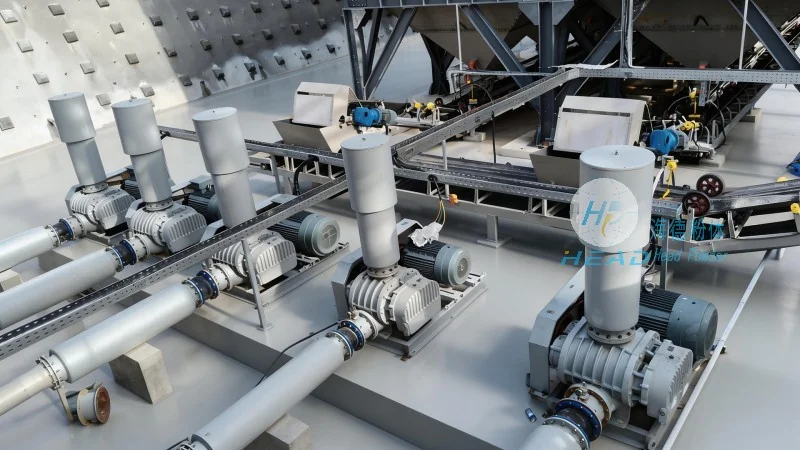
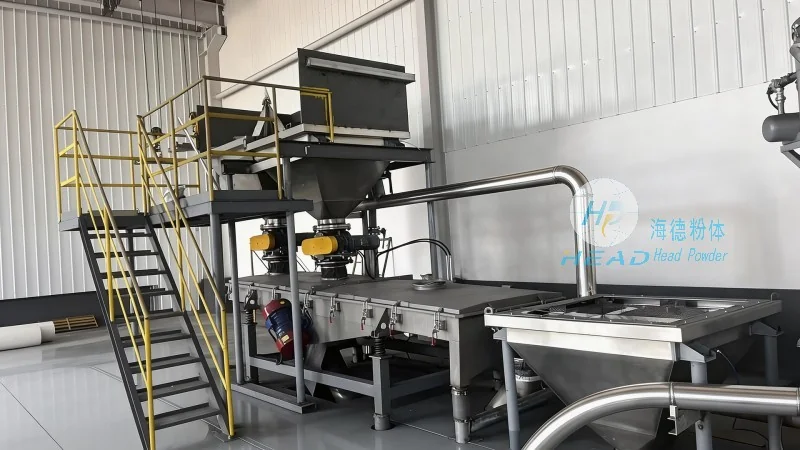
The core of a cement particle material pneumatic conveying machine lies in its ability to transport bulk materials through a pressurized or vacuum air stream. The system typically consists of a hopper, a rotary valve, a conveying line, and a receiver. The process begins with the cement particles being fed into the hopper. A rotary valve then controls the flow of material into the conveying line, where it is entrained by a high-velocity air stream. The air and material mixture travels through the pipeline to the receiver, where the material is separated from the air and collected. The air is then filtered and recycled back into the system, ensuring energy efficiency and minimal waste.
Operation Process of the Pneumatic Conveying Machine
The operation of a cement particle pneumatic conveying machine involves several key steps that ensure smooth and continuous material transport. First, the system is prepared by checking the air supply, pressure levels, and the condition of the conveying line. The hopper is filled with cement particles, and the rotary valve is set to the appropriate flow rate. The air compressor or vacuum pump is activated, creating the necessary pressure or vacuum to initiate the conveying process. As the material is fed into the conveying line, the air stream entrains the particles, lifting them along the pipeline. The receiver collects the material, and the air is filtered and returned to the system. This cycle repeats continuously, allowing for uninterrupted material handling. The system is designed to handle varying particle sizes and flow rates, making it adaptable to different production requirements.
Key Features and Benefits
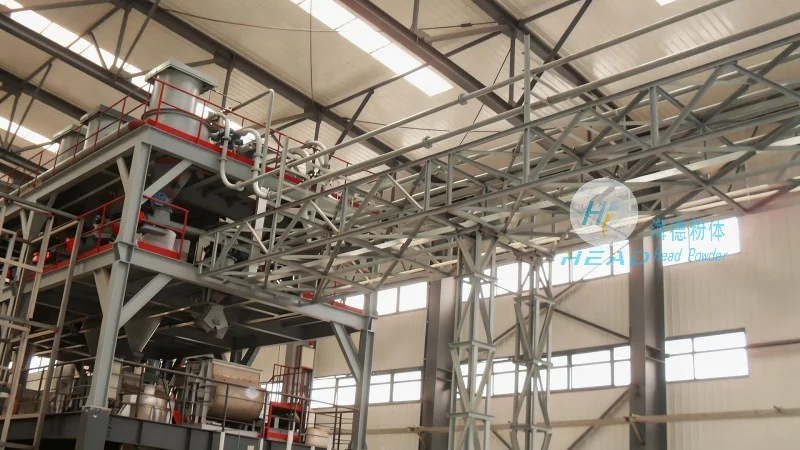
HeadPowder's cement particle pneumatic conveying machines are engineered with several features that enhance performance and reliability. The use of high-quality materials ensures durability under harsh operating conditions. The system's modular design allows for easy installation and maintenance. Energy efficiency is achieved through the recycling of air, reducing operational costs. The equipment is also equipped with safety features, such as pressure relief valves and overfill protection, to prevent accidents and ensure safe operation. These features make the system suitable for long-term use in industrial settings, providing consistent and reliable material transport.
Conclusion
In summary, the operation process and working principle of a cement particle material pneumatic conveying machine are integral to its effectiveness in material handling. By understanding these aspects, users can appreciate the efficiency and reliability of the system. Shandong HeadPowder Engineering Co., Ltd. offers advanced solutions that meet the specific needs of various industries, ensuring optimal performance and minimal downtime. The company's commitment to quality and innovation positions it as a trusted partner in the material handling sector.




