HeadPowder, a leading manufacturer based in Shandong, China, specializes in the design and production of advanced pneumatic conveying equipment for handling paddy grain and other bulk materials. The company's core product, the paddy grain bulk material pneumatic conveying machine, is engineered to efficiently transport grains from storage to processing units with minimal loss and maximum operational reliability. This article delves into the operational process and underlying principles of such systems, highlighting key components, working mechanisms, and practical applications.
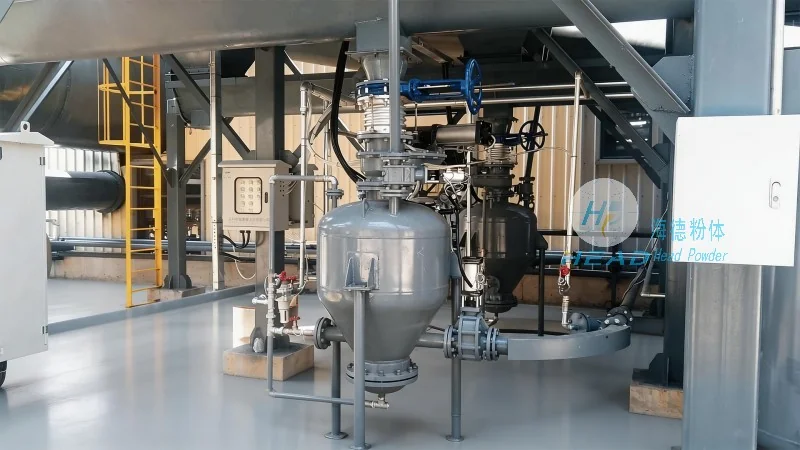
Key Components of the Pneumatic Conveying System
The paddy grain pneumatic conveying machine consists of several critical components that work in tandem to achieve seamless material transport. The main elements include a hopper for material storage, a rotary valve or feeder to control the flow rate, a conveying pipe network, a blower or air compressor to generate the necessary air pressure, and a receiver or discharge hopper at the destination. Each component plays a vital role in maintaining the system's efficiency and preventing material degradation or blockages.
Working Principle: How the System Transports Paddy Grain
The operation of the paddy grain bulk material pneumatic conveying machine is based on the principle of pneumatic transport, where materials are conveyed through a pipeline using a mixture of air and the product itself. The process begins with the paddy grain being fed into the hopper. The rotary valve then regulates the amount of grain released into the conveying pipe. Simultaneously, the blower generates a high-pressure air stream that flows through the pipe, creating a low-pressure zone that draws the grain particles into the air stream. As the mixture travels through the pipeline, it is accelerated and transported to the discharge point. At the receiving end, the air and grain are separated, typically using a cyclone separator or a filter, and the grain is collected in the receiver hopper. The air is then filtered and recirculated back to the blower, ensuring energy efficiency and minimal waste.
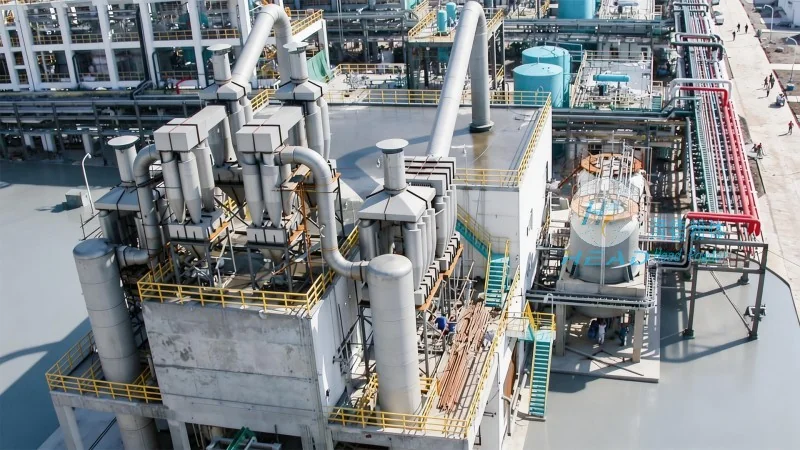
Operational Process: Step-by-Step Execution
The operational process of the paddy grain pneumatic conveying system involves several sequential steps that ensure smooth and continuous material handling. First, the system is prepared by checking the hopper level and ensuring the rotary valve is properly adjusted. The blower is then started, and the air pressure is monitored to maintain optimal conveying conditions. Next, the paddy grain is fed into the hopper at a controlled rate, which is adjusted based on the required throughput. As the material enters the conveying pipe, the air stream picks up the grain particles, and the mixture is transported to the discharge point. At the receiving end, the grain is collected, and the air is filtered and recirculated. The system continues to operate until the required amount of grain is transported, with regular checks on the system's performance and maintenance of components to prevent any issues.
Advantages of Paddy Grain Pneumatic Conveying Machines
HeadPowder's paddy grain bulk material pneumatic conveying machines offer several advantages over traditional conveying methods, such as bucket elevators or belt conveyors. These systems are highly efficient in terms of energy consumption, as they use compressed air to transport materials, reducing the need for mechanical components that can wear out quickly. Additionally, pneumatic conveying minimizes material degradation, as the grain is not subjected to high friction or impact during transport. The system also provides a dust-free environment, which is crucial for maintaining grain quality and ensuring worker safety. Furthermore, the flexibility of the conveying pipe network allows for easy reconfiguration of the system to accommodate changes in production requirements or layout adjustments.
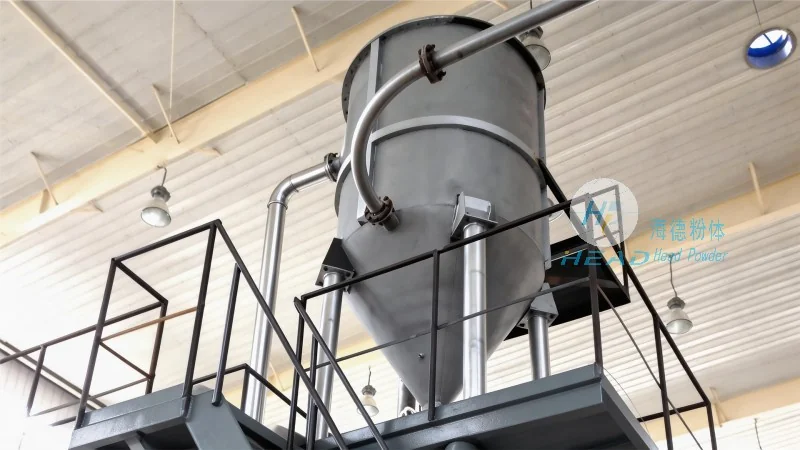
Applications and Industries
The paddy grain pneumatic conveying machines manufactured by HeadPowder are widely used in various industries, including agricultural processing, food processing, and grain storage facilities. In agricultural settings, these systems are used to transport paddy grain from fields to storage silos or processing plants, ensuring efficient and timely handling of the harvest. In food processing industries, the machines are employed to move grains to milling or processing units, where they are further processed into products like rice or flour. The versatility of the system also makes it suitable for other bulk material handling applications, such as in chemical or pharmaceutical industries, where similar conveying requirements exist.
Maintenance and Troubleshooting
To ensure the long-term performance and reliability of the paddy grain pneumatic conveying system, regular maintenance is essential. HeadPowder recommends routine checks of the blower and air compressor to ensure they are operating within optimal parameters. The rotary valve and feeder should be inspected for wear and tear, and the conveying pipes should be checked for blockages or damage. The cyclone separator or filter should be cleaned regularly to prevent clogging and maintain air quality. In case of operational issues, such as reduced conveying efficiency or air leaks, the system should be inspected for any component failures. Common problems include clogged pipes, worn-out rotary valves, or insufficient air pressure, which can be addressed through proper maintenance and timely repairs.




