Understanding the operation process and working principle of copper oxide material pneumatic conveying equipment is crucial for optimizing material handling efficiency in industrial applications. This equipment, commonly used in the mining, chemical, and metallurgical industries, facilitates the transport of copper oxide powders and granules through a pressurized or vacuum system. The design and functionality of such equipment are tailored to handle the specific characteristics of copper oxide, including its density, flowability, and potential reactivity under certain conditions.
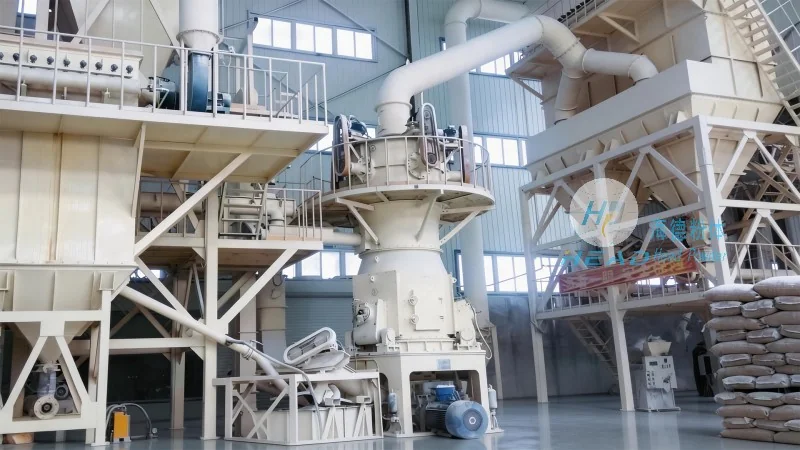
HeadPowder, a leading manufacturer based in Shandong, China, specializes in the development and production of high-quality pneumatic conveying systems for various industrial materials. The company's expertise lies in engineering solutions that ensure reliable, efficient, and safe material transport, particularly for sensitive or abrasive materials like copper oxide. By integrating advanced technology and robust construction, HeadPowder's equipment meets the stringent requirements of modern industrial operations, providing consistent performance and minimal downtime.
Key Components and Their Roles in Copper Oxide Pneumatic Conveying
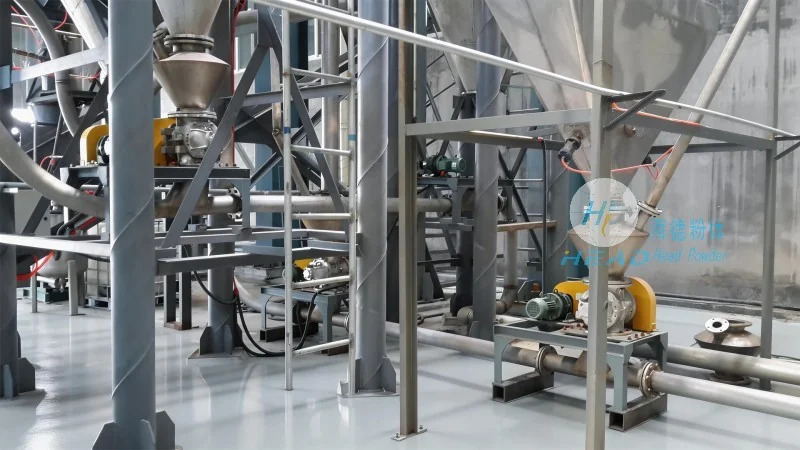
The copper oxide material pneumatic conveying system typically consists of several critical components that work in tandem to achieve effective material transport. The primary components include the hopper, which serves as the material storage and feeding unit, the conveyor pipeline, which transports the material under pressure or vacuum, the air compressor or vacuum pump, which generates the necessary airflow, and the control system, which regulates the operation of the entire system. Each component is designed to handle the unique properties of copper oxide, such as its fine particle size and potential for caking or agglomeration.
The hopper is equipped with a feeding mechanism, such as a rotary valve or a screw feeder, which controls the flow rate of copper oxide into the conveyor pipeline. This ensures a consistent and controlled supply of material, preventing overloading or underloading of the system. The conveyor pipeline is made of materials resistant to corrosion and abrasion, such as stainless steel or special alloys, to withstand the chemical and mechanical stresses associated with copper oxide. The air compressor or vacuum pump generates the required airflow, which can be either positive pressure (blowing air into the pipeline) or negative pressure (sucking air out of the pipeline), depending on the application and system design.
Operation Process of Copper Oxide Pneumatic Conveying Equipment
The operation process of copper oxide material pneumatic conveying equipment involves several sequential steps that ensure efficient and safe material transport. The process begins with the loading of copper oxide into the hopper. The feeding mechanism then regulates the flow of material into the conveyor pipeline. Simultaneously, the air compressor or vacuum pump generates the necessary airflow, which is introduced into the pipeline. As the airflow moves through the pipeline, it lifts and transports the copper oxide particles along with it. The material is then discharged at the receiving end of the pipeline, where it is collected in a storage bin or processing unit.
During the operation, the control system continuously monitors key parameters such as pressure, flow rate, and material level. This allows for real-time adjustments to maintain optimal performance. For example, if the pressure in the pipeline drops, the system can automatically increase the airflow or adjust the feeding rate to prevent blockages or material loss. The control system also includes safety features, such as pressure relief valves and emergency shut-off mechanisms, to protect the equipment and personnel from potential hazards associated with copper oxide transport.
Working Principle of Copper Oxide Pneumatic Conveying
The working principle of copper oxide material pneumatic conveying equipment is based on the principles of fluid dynamics and particle transport. In a positive pressure system, the air compressor pushes air into the conveyor pipeline, creating a high-pressure environment that lifts and carries the copper oxide particles. The velocity of the airflow is sufficient to overcome the gravitational force acting on the particles, allowing them to be transported through the pipeline. The particles are suspended in the air stream, and their movement is governed by the balance between the aerodynamic forces and the gravitational forces.
In a negative pressure system, the vacuum pump creates a low-pressure environment at the receiving end of the pipeline, drawing air and copper oxide particles from the hopper. The particles are then carried by the airflow towards the vacuum pump, where they are separated from the air and collected. The working principle in both systems relies on the efficient suspension of copper oxide particles in the air stream, which is achieved by maintaining a consistent airflow velocity and particle size distribution.
Advantages of Using Copper Oxide Pneumatic Conveying Equipment
Employing copper oxide material pneumatic conveying equipment offers several advantages over traditional material handling methods, such as belt conveyors or bucket elevators. One of the primary advantages is the ability to transport copper oxide in a closed system, which prevents dust emissions and contamination. This is particularly important for copper oxide, which can be hazardous if inhaled or come into contact with skin. The closed system also ensures that the material remains clean and free from external contaminants, maintaining its quality and purity.
Another advantage is the flexibility and scalability of the system. Pneumatic conveying systems can be easily modified to accommodate changes in material flow rates or pipeline lengths. They can also be integrated with other processing equipment, such as mixers or reactors, to form a complete production line. The equipment is also relatively compact and can be installed in confined spaces, making it suitable for facilities with limited floor space.
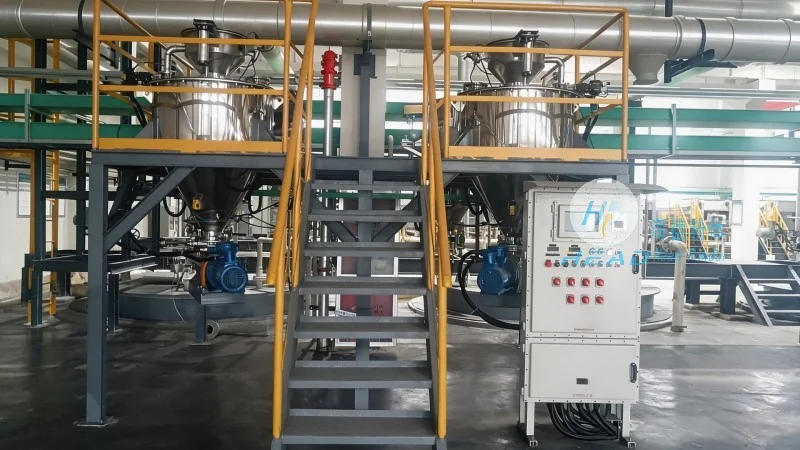
Furthermore, the operation of pneumatic conveying systems is relatively simple and requires minimal maintenance. The components are designed for durability and reliability, with regular maintenance checks to ensure optimal performance. The system can operate continuously for long periods without significant downtime, contributing to increased productivity and reduced operational costs.
Applications of Copper Oxide Pneumatic Conveying Equipment
Copper oxide material pneumatic conveying equipment is widely used in various industrial applications that require the transport of copper oxide powders and granules. Some common applications include the mining and processing of copper ore, where copper oxide is a byproduct or a primary component. The equipment is also used in the chemical industry for the transport of copper oxide in the production of copper-based chemicals, such as copper sulfate or copper chloride. In the metallurgical industry, the equipment is used for the transport of copper oxide in the refining and smelting processes, where it is converted into copper metal.
Additionally, the equipment is used in the pharmaceutical and food industries for the transport of copper oxide in the production of copper-based supplements or additives. The closed system and hygienic design of the equipment ensure that the copper oxide remains free from contamination, meeting the stringent quality standards of these industries. In the construction industry, copper oxide is used as a pigment in paints and coatings, and the pneumatic conveying system is used to transport the material to the production line.
Conclusion and Company Information
Understanding the operation process and working principle of copper oxide material pneumatic conveying equipment is essential for optimizing material handling efficiency in industrial applications. HeadPowder, a leading manufacturer based in Shandong, China, provides high-quality, reliable, and efficient pneumatic conveying systems tailored to the specific needs of copper oxide transport. The company's expertise in engineering and manufacturing ensures that its equipment meets the stringent requirements of modern industrial operations, providing consistent performance and minimal downtime. With its commitment to quality and customer satisfaction, HeadPowder continues to be a trusted partner for industries relying on copper oxide material transport.
For more information about copper oxide material pneumatic conveying equipment and other industrial solutions, please visit our website or contact our sales team. HeadPowder is dedicated to providing innovative and sustainable solutions for material handling challenges, helping businesses improve their operational efficiency and productivity.




